"DFS offers me a lot of variety. And total security."
Dominik, flight data specialist at DFS since 2011
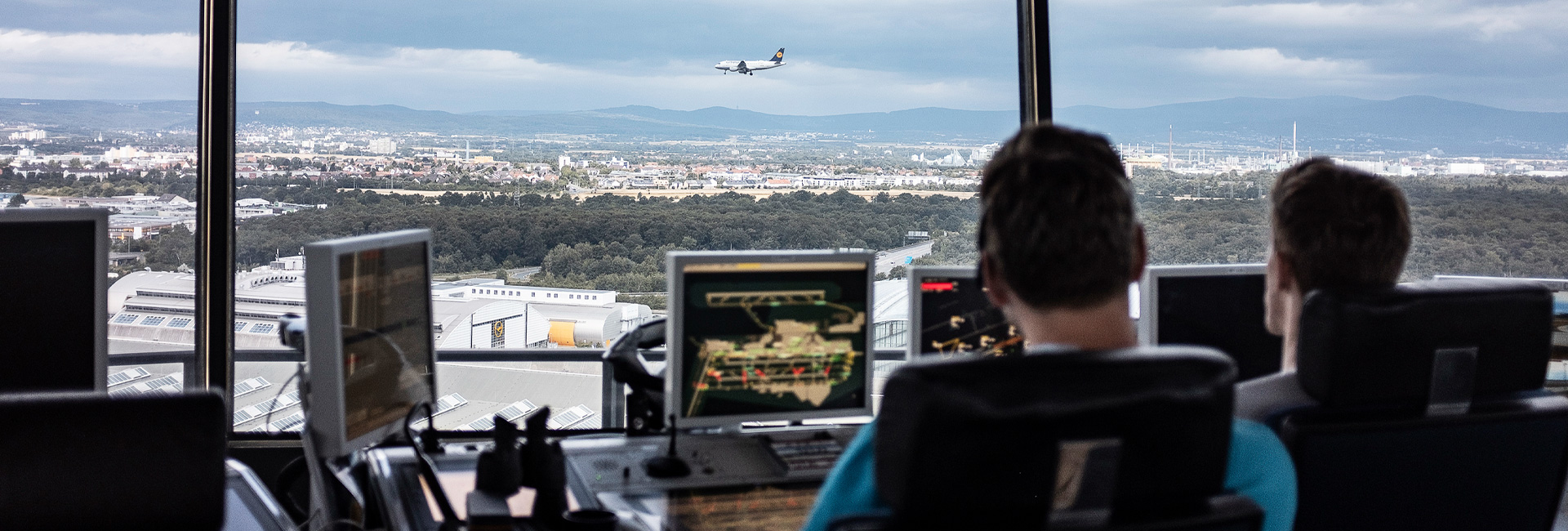

Work on the ground to ensure
safety in the skies
Alongside air traffic controllers, there are also other experts working at DFS to ensure safe air traffic: our operational specialists With exciting and responsible tasks. in a close-knit and appreciative team. Learn more about our operational job profiles here:

The air traffic controller training programme starts several times a year. This means you can apply to us at any time. Ideally, you should apply 1 year before you want to start with the training. In most cases, if you are available earlier, you can start earlier.
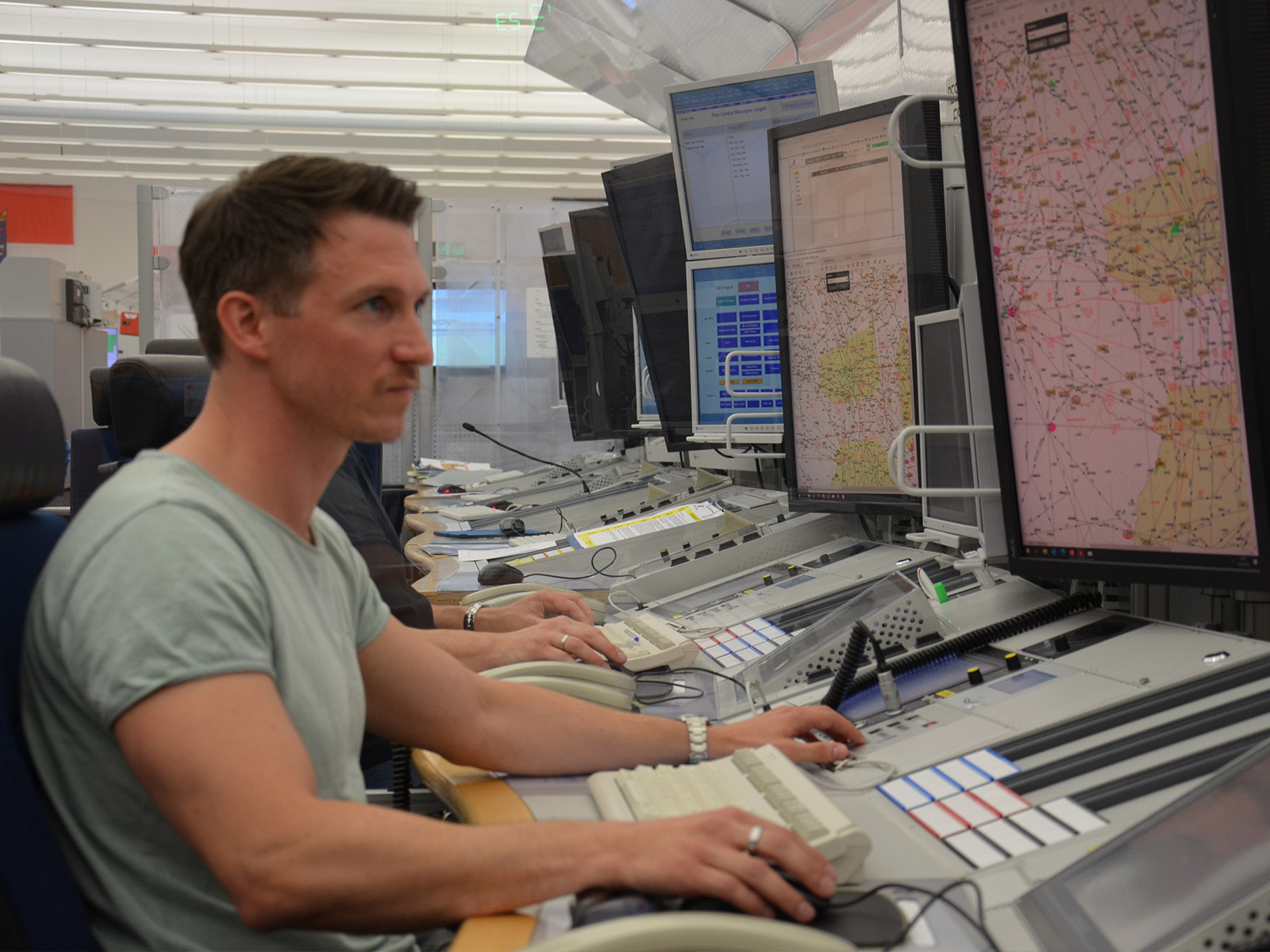

As a flight data specialist, you will activate flight plans, coordinate with other air traffic control centres as well as with air traffic controllers to ensure a smooth flow of air traffic.
Your main duties here will include checking flight plans and flight-plan-associated messages, as well as adjusting flight plans in the event of last-minute changes (for example thunderstorms or other unforeseen events). You will also make sure that the air traffic controllers have access to up-to-date information and weather data.
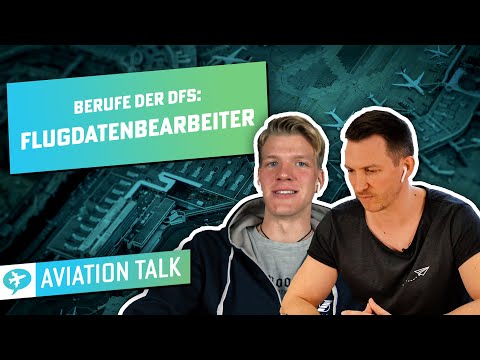

What does a flight data specialist do?
Check out the video on the left.
Dominik Huhn works as a flight data specialist at the DFS Langen control centre and is the most important contact person for the air traffic controllers around him. He has a solution for every thunderstorm and shields his colleagues from being overwhelmed by too much traffic. Read more in the PDF here (in German):
The training programme at DFS takes just under two years and includes both classroom-based theoretical phases as well as practical on-the-job phases.
The requirements to be met are as follows:
Secondary school leaving certificate (equivalent to the German Mittlerer Schulabschluss) in conjunction with a completed vocational training course or university entry qualification (Abitur/Fachabitur)
A good standard of English
Career-related soft skills
There is no age limit for applicants.
The selection process comprises various phases, including telephone interviews, mental performance tests, work samples and an individual interview.
You can apply for the position of flight data specialist when corresponding vacancies are posted on the career site. The possible work locations are our four DFS control centres (Bremen, Karlsruhe, Langen & Munich).
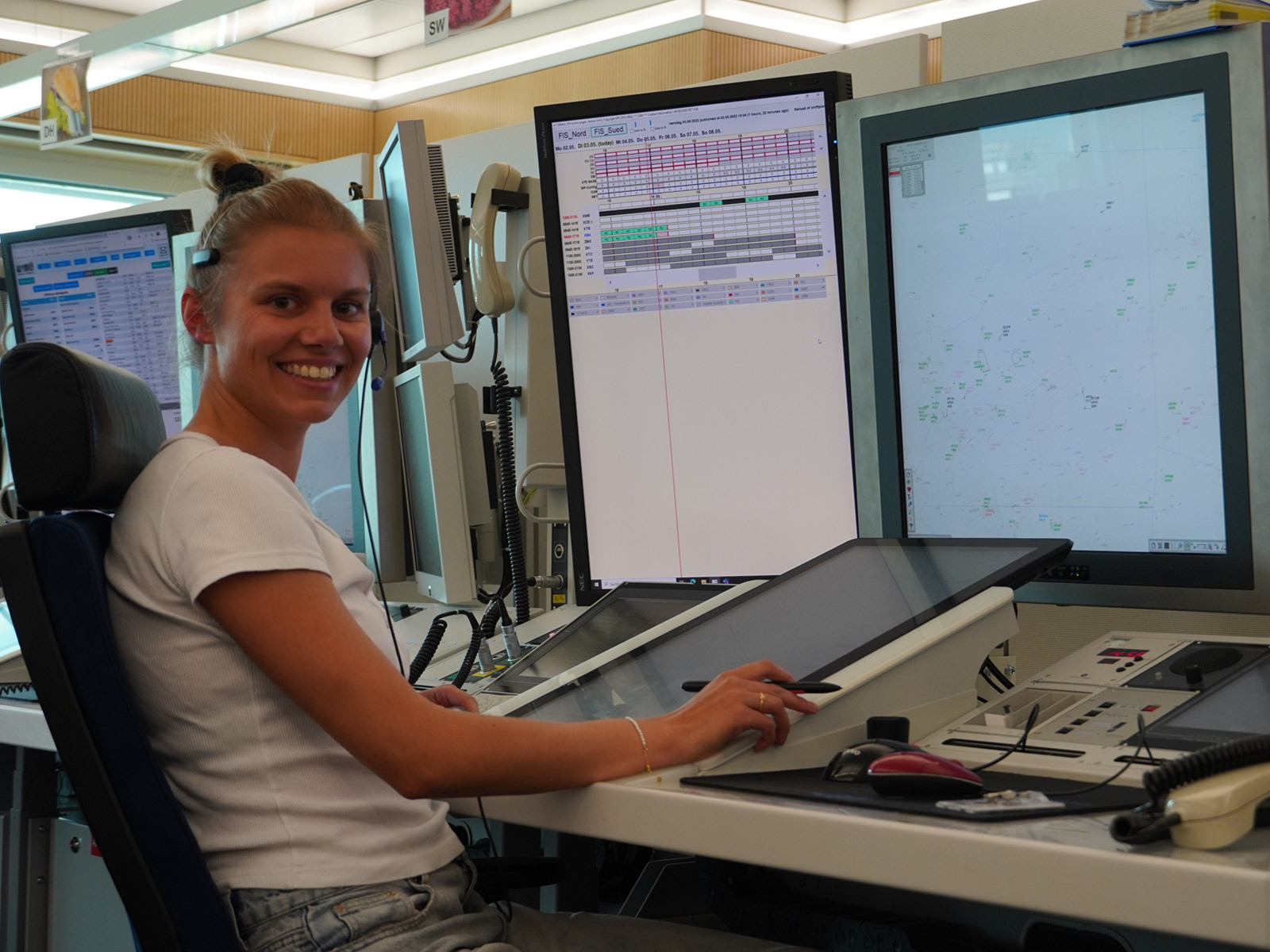
As a FIS specialist, you make an important contribution to airspace safety. This is because you provide information and advice to pilots flying under visual flight rules.
The service provided here is referred to as the flight information service, or FIS for short. This service includes, for example, targeted meteorological information or support with navigation. In addition to this, planned transits through airspace requiring clearance or changes to flight rules are coordinated in close contact with air traffic controllers.
Career portrait: Eyes wide open for VFR pilots
From her working position, Saskia Maack keeps an eye on the airspace above the northern half of Germany. She supports pilots flying under visual flight rules (VFR) via radio.
The training programme at DFS takes just under two years and includes both classroom-based theoretical phases as well as practical on-the-job phases.
The requirements comprise the following:
Secondary school leaving certificate (equivalent to the German Mittlerer Schulabschluss) in conjunction with a completed vocational training course or university entry qualification (Abitur/Fachabitur)
Good command of English, in particular as per ICAO Language Proficiency Level 4
Appropriate skills in the use of modern communication media and data processing systems
Strong reasoning skills
Ability to concentrate
Good sensory speed
The road to training as a FIS specialist starts with a multi-stage selection process. This typically comprises a telephone interview, mental performance tests in the CBT studio (computer-based training) at the DFS Academy, a work sample in which applicants take on the role of a FIS specialist, as well as a further interview with a FIS supervisor and a psychologist.
You can apply for a FIS specialist position when corresponding vacancies are posted on the career site. The FIS centre on the Langen Campus will be the only place of work.
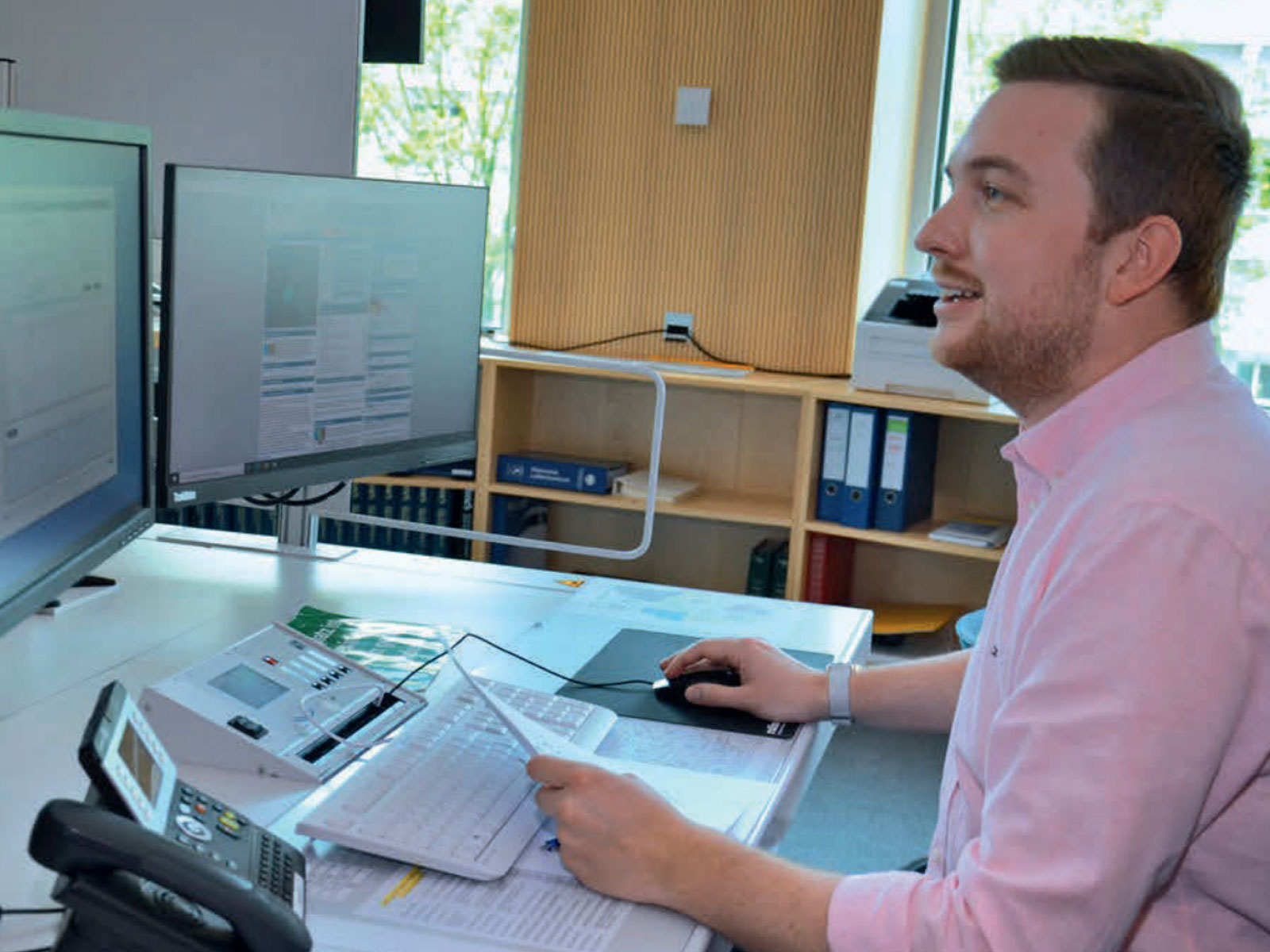
As an AIS officer, your work is divided into three areas:
Aeronautical information service
The focus here is on briefing pilots on the upcoming flight, as well as providing information and documents.
NOTAM processing
NOTAMs (Notice to Airmen) represent important information for pilots or airport operators regarding special aviation occurrences, such as the closure of aerodromes, maintenance of radio navigation aids and so on.
Supervision of landing sites
This is where the timely landing of flights at uncontrolled aerodromes is monitored.
In all three areas, you will provide support for airlines and charter companies, business and private pilots, as well as sailplanes, microlights and free balloons.
Career portrait: What a pilot needs to know
Immanuel Fach first came into contact with DFS when taking up a work placement while still at school. It took more than a decade for him to find his way back to air traffic control as an AIS officer.
The training programme at DFS takes just under two years and includes both classroom-based theoretical phases as well as practical on-the-job phases.
The requirements comprise the following:
Secondary school leaving certificate (equivalent to the German Mittlerer Schulabschluss) in conjunction with a completed vocational training course or university entry qualification (Abitur/Fachabitur)
Good command of English
Ability to concentrate and good at communicating
The selection process starts with a telephone interview. This is conducted in English, as parts of the training content are taught in English. This is followed by mental performance tests in the CBT studio (computer-based training) at the DFS Academy, as well as a work sample and an in-person interview.
You can apply for the position of AIS officer when corresponding vacancies are posted on the career site. The place of work will be the AIS-C (Aeronautical Information Service Centre) on the Langen Campus.
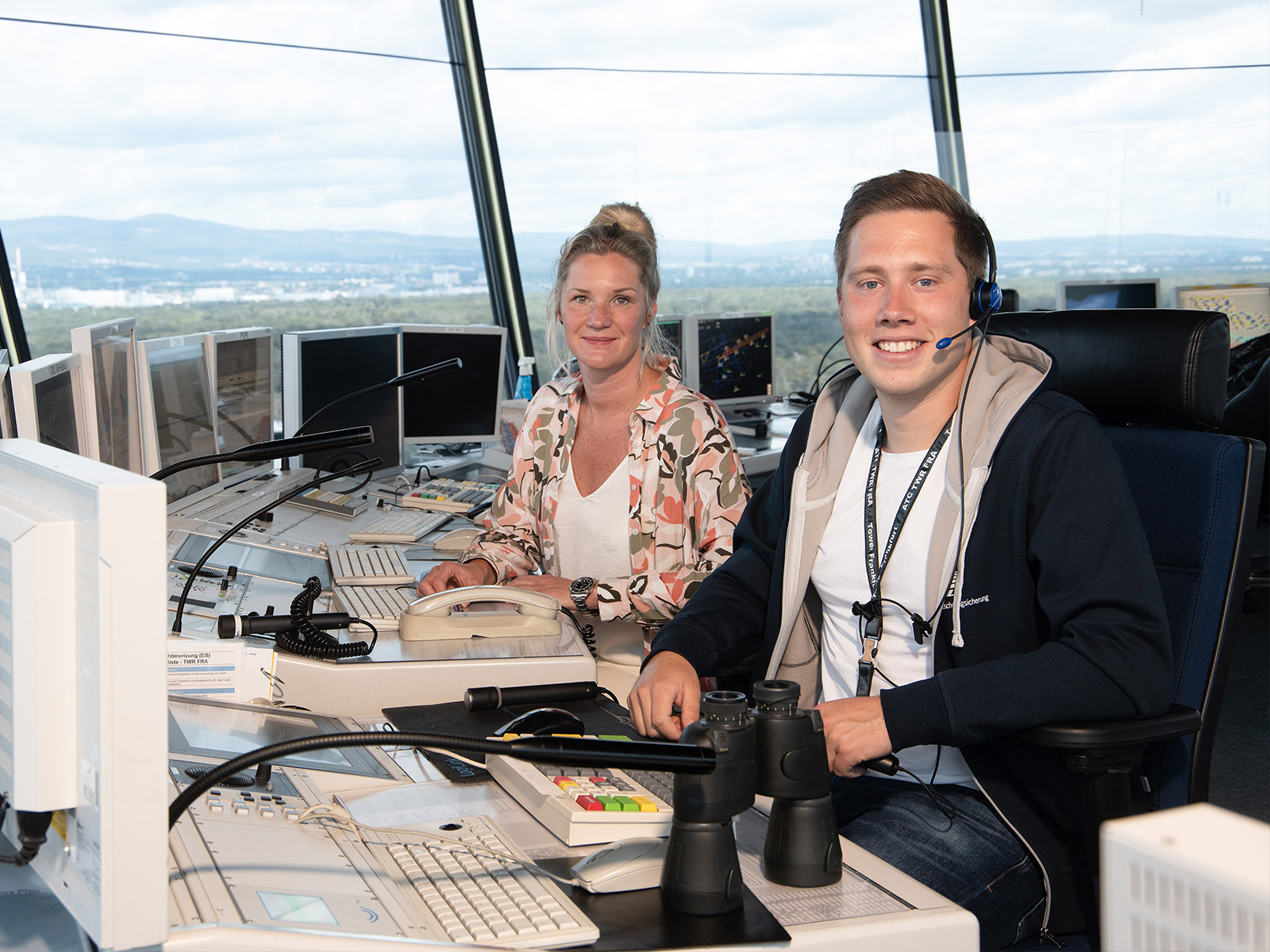
As an aerodrome coordinator, you are a member of the tower crew at an airport. You ensure that air traffic at the airport runs smoothly by optimising the sequence of flight movements and managing departure capacities.
You will also issue start-up approvals and adjust flight plans, for example in the event of weather changes or technical issues. You will use the radio to issue en-route clearances to pilots at our Frankfurt, Düsseldorf, Munich and Berlin sites, thereby taking over an area of responsibility that is covered by tower controllers at the other locations.
Career portrait: The coordinator of cool
Staying calm in stressful situations – that is something Patrick Krämer learned as a teenager. This quality is indispensable in his job as aerodrome coordinator at DFS. It also helped him when he suffered misfortune in his personal life.
Training as a flight data specialist (see above) is typically completed first before starting this training. This further qualification takes several months at DFS. Another option is ab initio training, i.e. direct training for aerodrome coordination. This takes just under two years at DFS.
The requirements comprise the following:
Completed vocational training; upper secondary school leaving certificate equivalent to the German Abitur/Fachabitur
Knowledge of English
Ability to concentrate and good at communicating
If no General Aeronautical Radio Operator's Certificate (AZF) is held at the time of application, it will be acquired in the course of the training programme. There is no age limit for applicants.
You can apply for the position of aerodrome coordinator when corresponding vacancies are posted on the career site. After completing your training, you will then be posted to one of the towers in Frankfurt, Düsseldorf, Munich or Berlin.
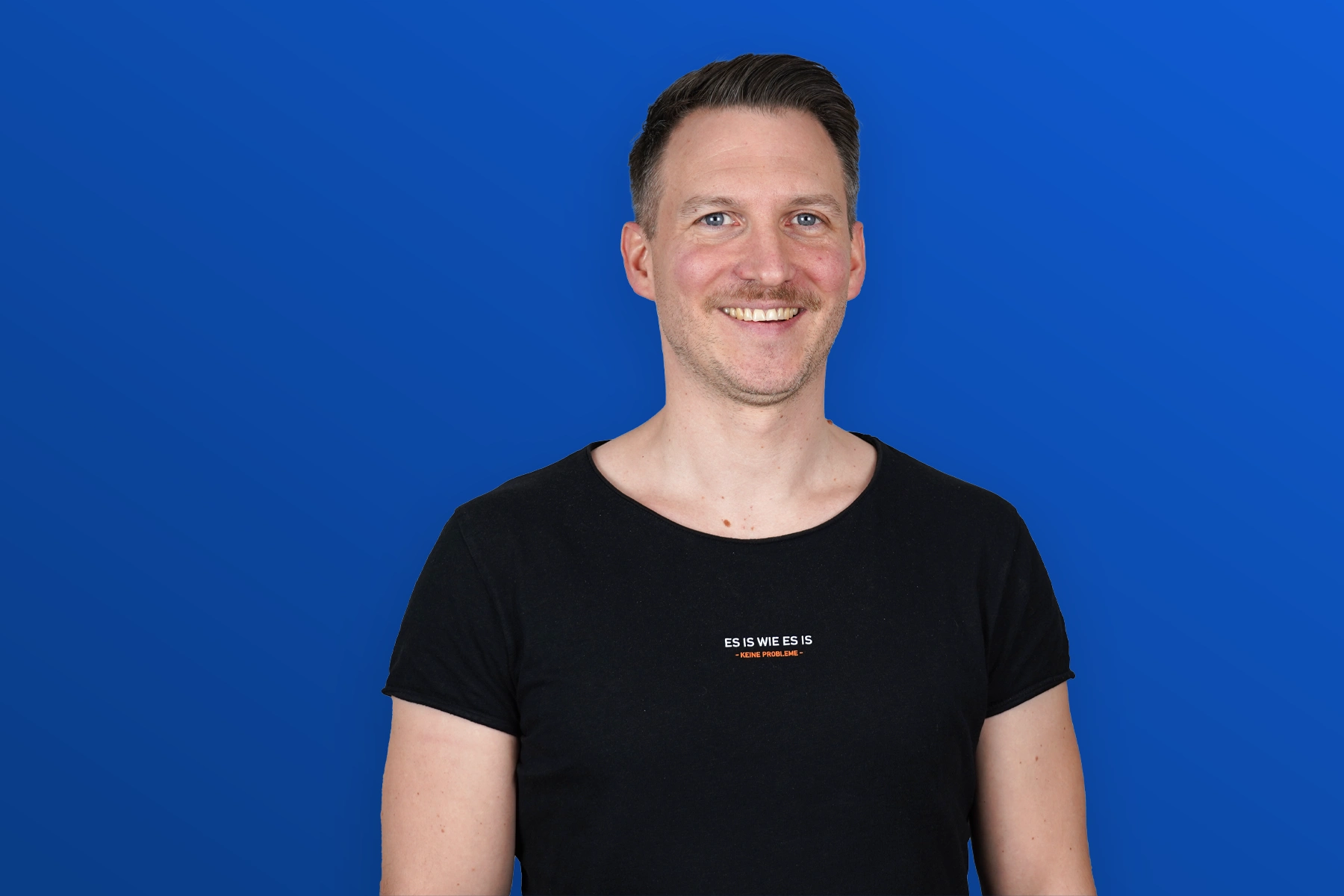
Dominik, flight data specialist at DFS since 2011
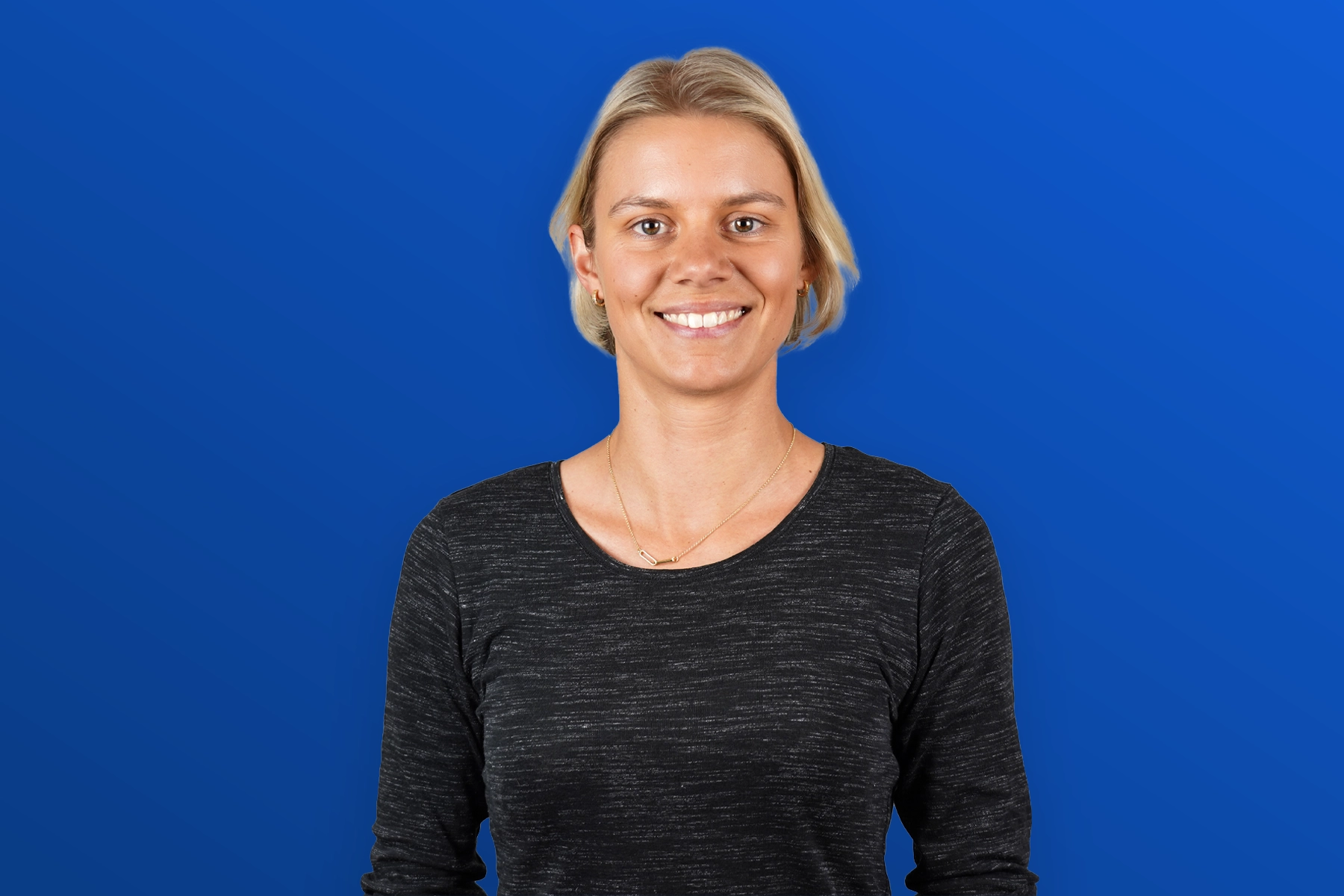
Saskia, Flight Information Service (FIS)

Tim, aerodrome coordinator since 2019

Laura, AIS officer
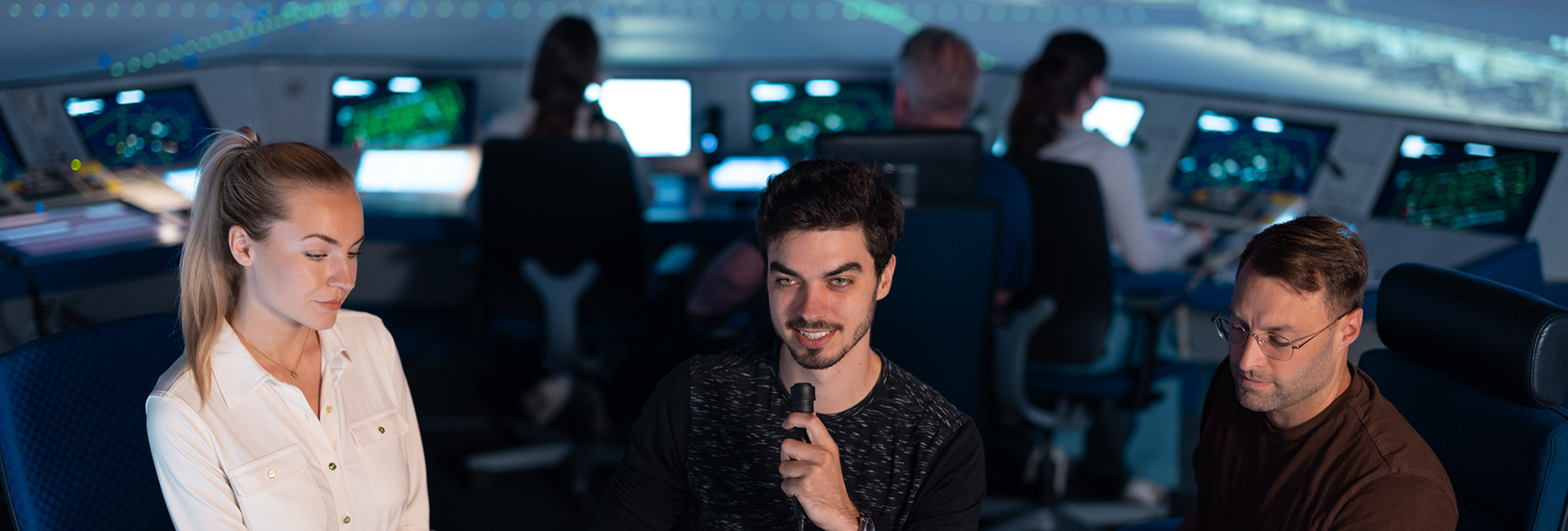
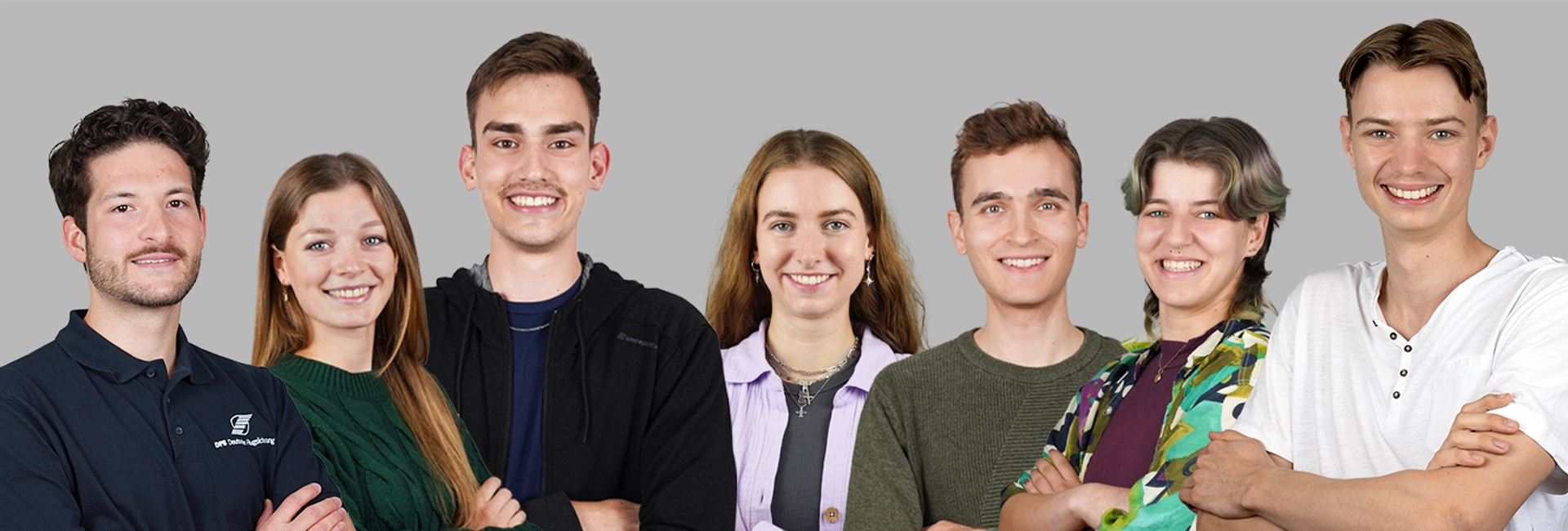
Join our dedicated team and work with us to make an important contribution to air traffic safety. As soon as we need more operational specialists, you will find the job advertisements on our career portal.
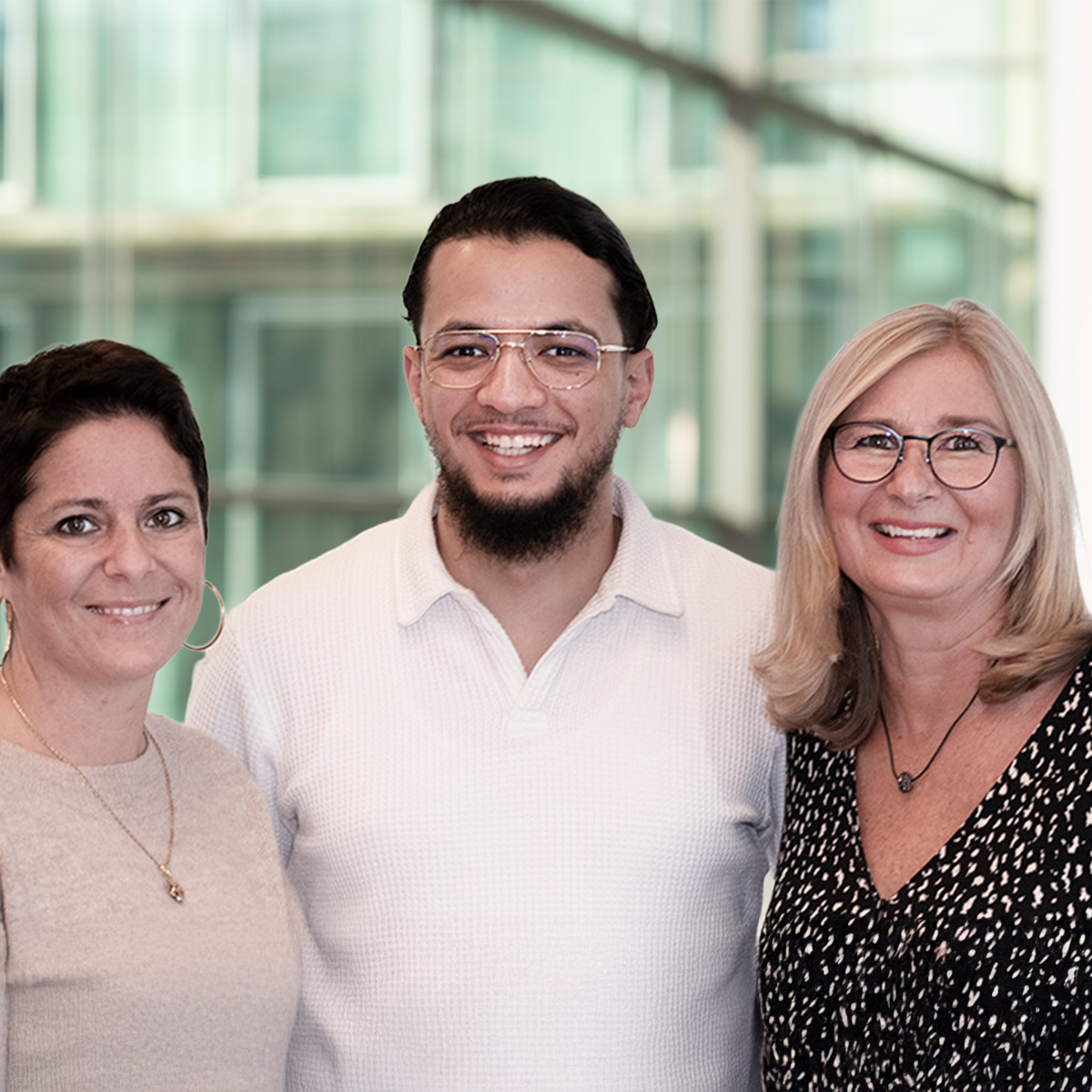
Then, please get in touch with:
atm.spezialisten@dfs.de