"Working here doesn't feel like work at all. It feels like meeting up with friends."
Olivia, air traffic controller

Step by step to your dream job
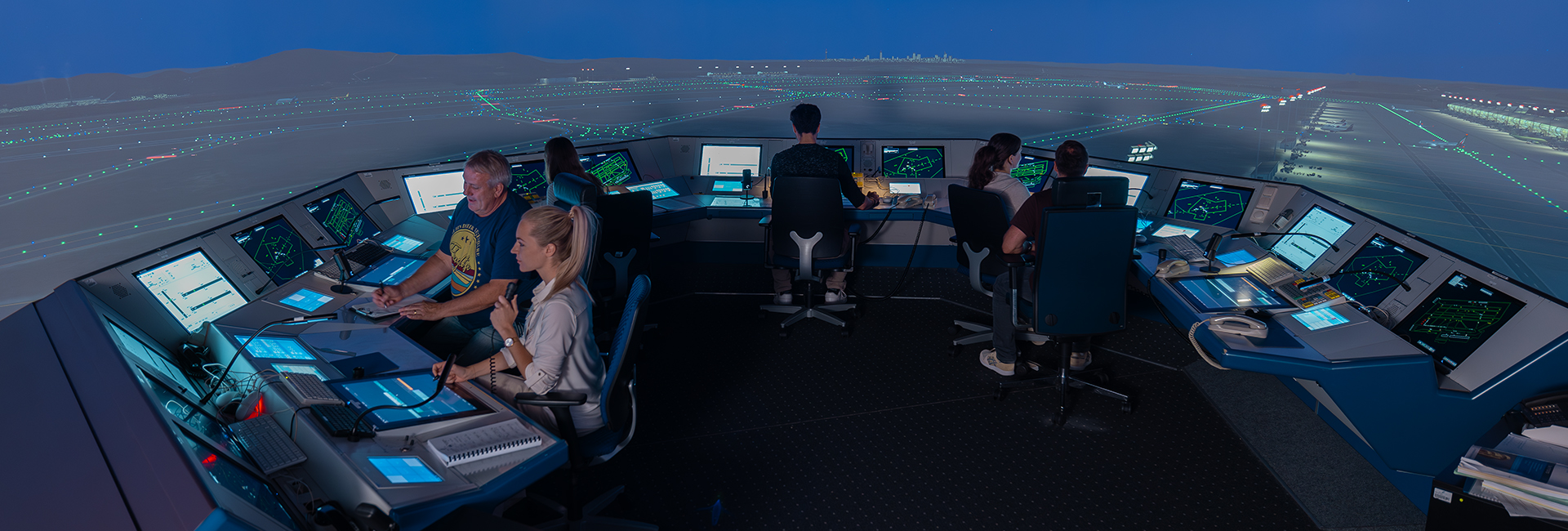
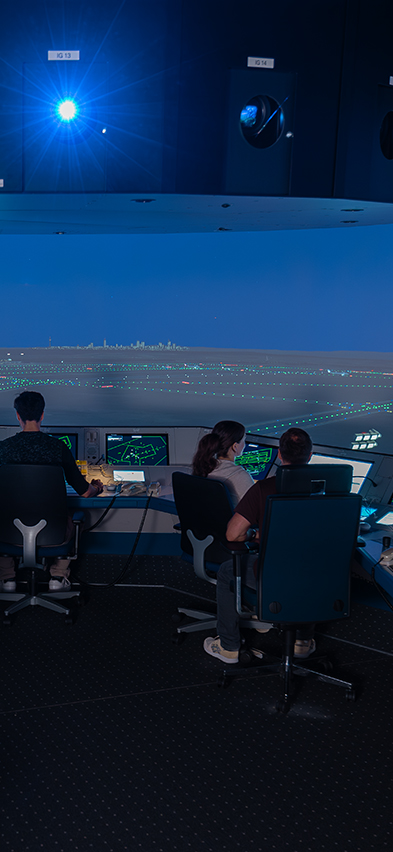
A solid grounding in theory and plenty of practical experience – that is the recipe for success for your training as an air traffic controller. Your training starts with the theoretical basics. In the first five months, you will learn how to communicate with pilots, what influence the weather has on aircraft movements in the sky and what types of aircraft there are. The practical training then starts in our simulators.
After a further 12 months or so, you will move to your future working position in one of our control centres or towers for your on-the-job training. This will progressively give you the tools to make air traffic safe and guide people reliably to their destinations.
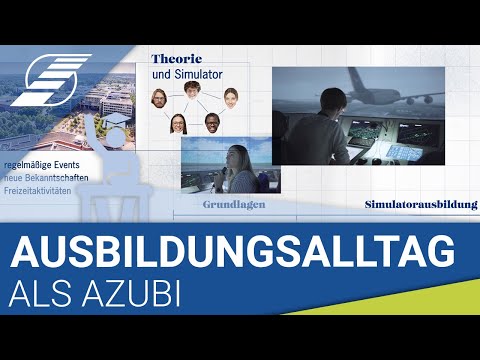

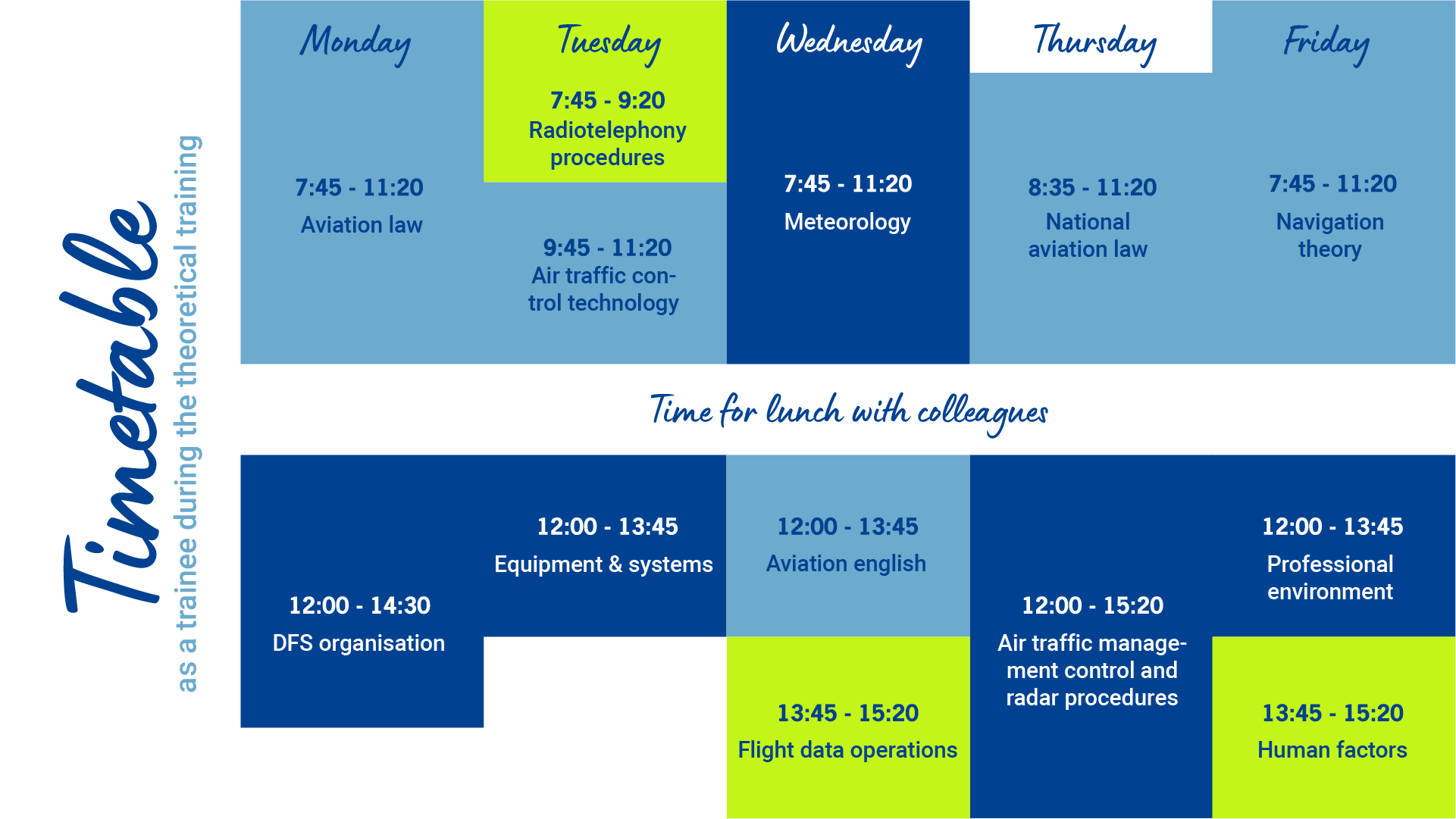
The first phase of your training takes place at the DFS Campus in Langen. The programme includes practical lessons in subjects such as navigation, aviation law and aircraft types but also covers meteorology, aviation English and radiotelephony procedures. There are also regular simulator training sessions where you can show what you can do and gain valuable real-life work experience.

The second, practical phase takes you directly to your future working position in a control centre or tower. This means no more simulations, but real air traffic. Step by step, you will expand your skills, from technical systems to controlling aircraft and conducting radiotelephony. You will receive personal support and coaching. Your training ends when you obtain your final air traffic controller licence, and you seamlessly transition into your independent work as an air traffic controller.


Every year, around 200 trainees/apprentices and dual students from all over Germany start their aviation careers. We offer a wide range of leisure activities on our Campus. These serve to promote team spirit. The instructors in air traffic controller training come directly from the real-life world of control centres and towers. Accordingly, the working relationship is a meeting of equals with an active, direct feedback culture on both sides.
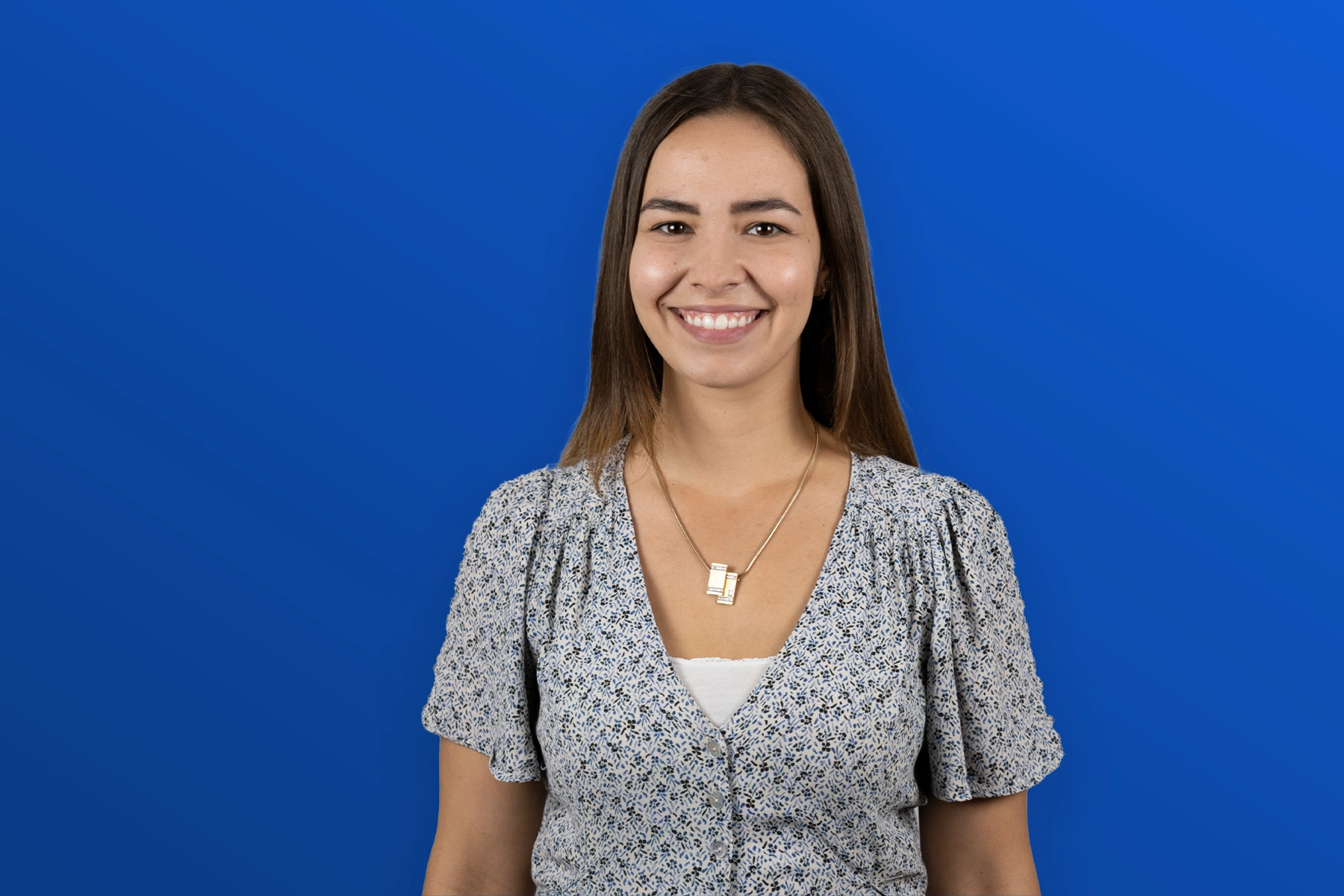
Olivia, air traffic controller

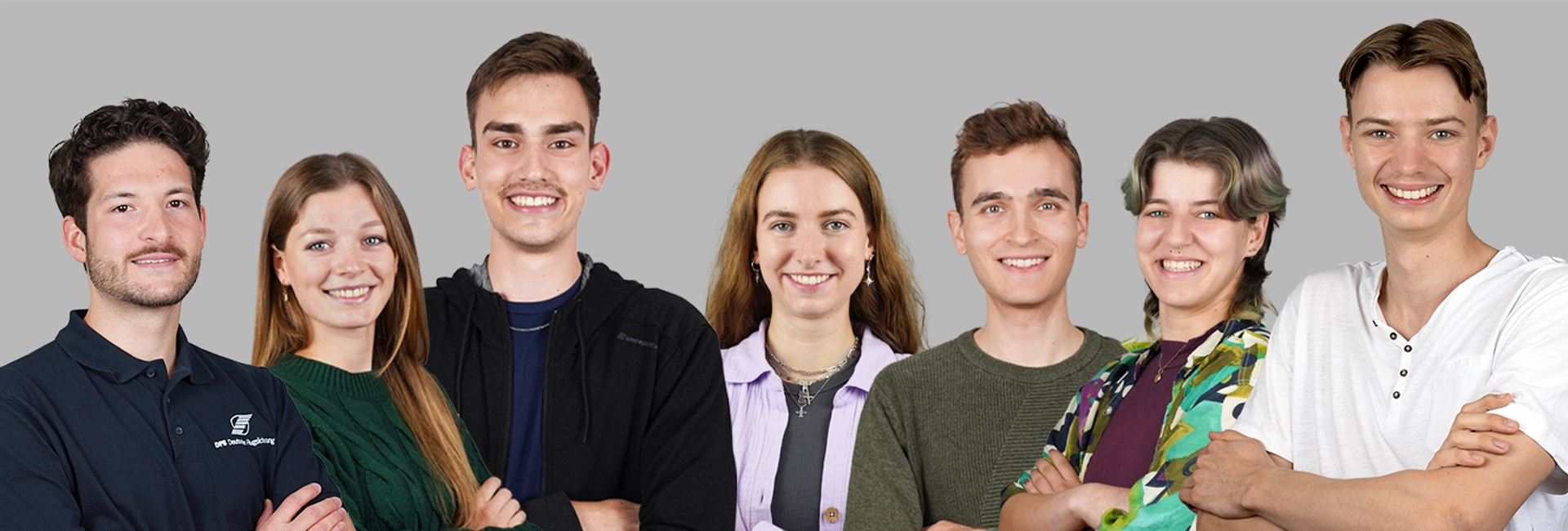

The air traffic controller training programme starts several times a year. This means you can apply to us at any time. Ideally, you should apply 1 year before you want to start with the training. In most cases, if you are available earlier, you can start earlier.
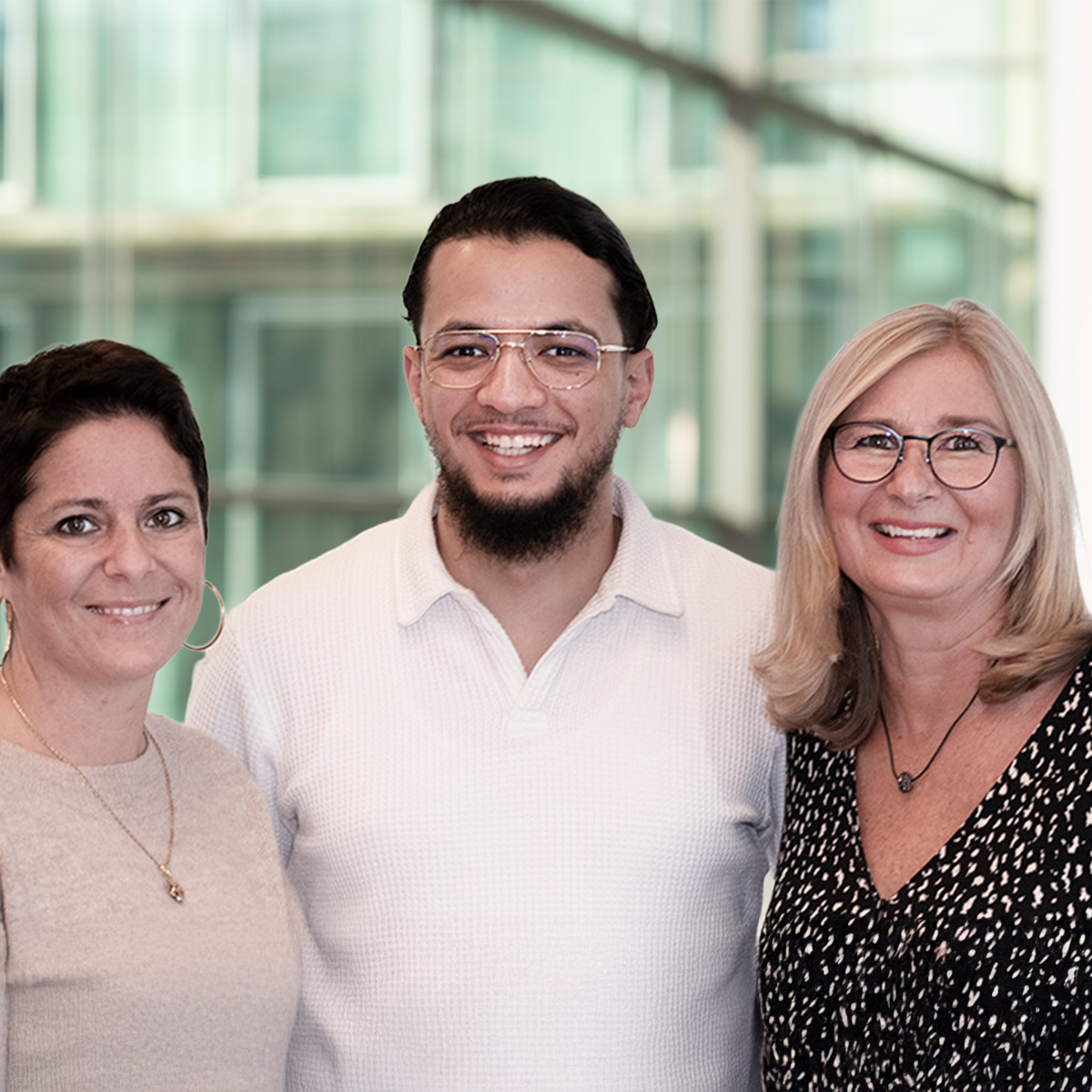
Then, please get in touch with:
Applicant management team
+49 (0)6103 707-5155
lotsenausbildung@dfs.de
WhatsApp: 0162 254 1843