"There’s always a constructive working relationship with everyone regardless of position."
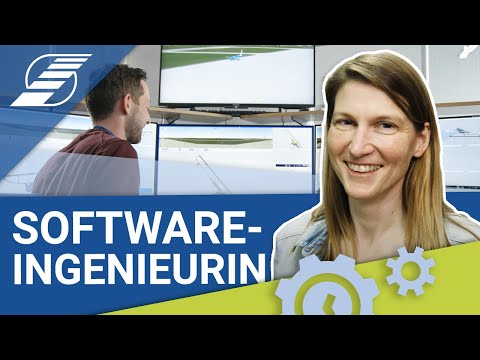
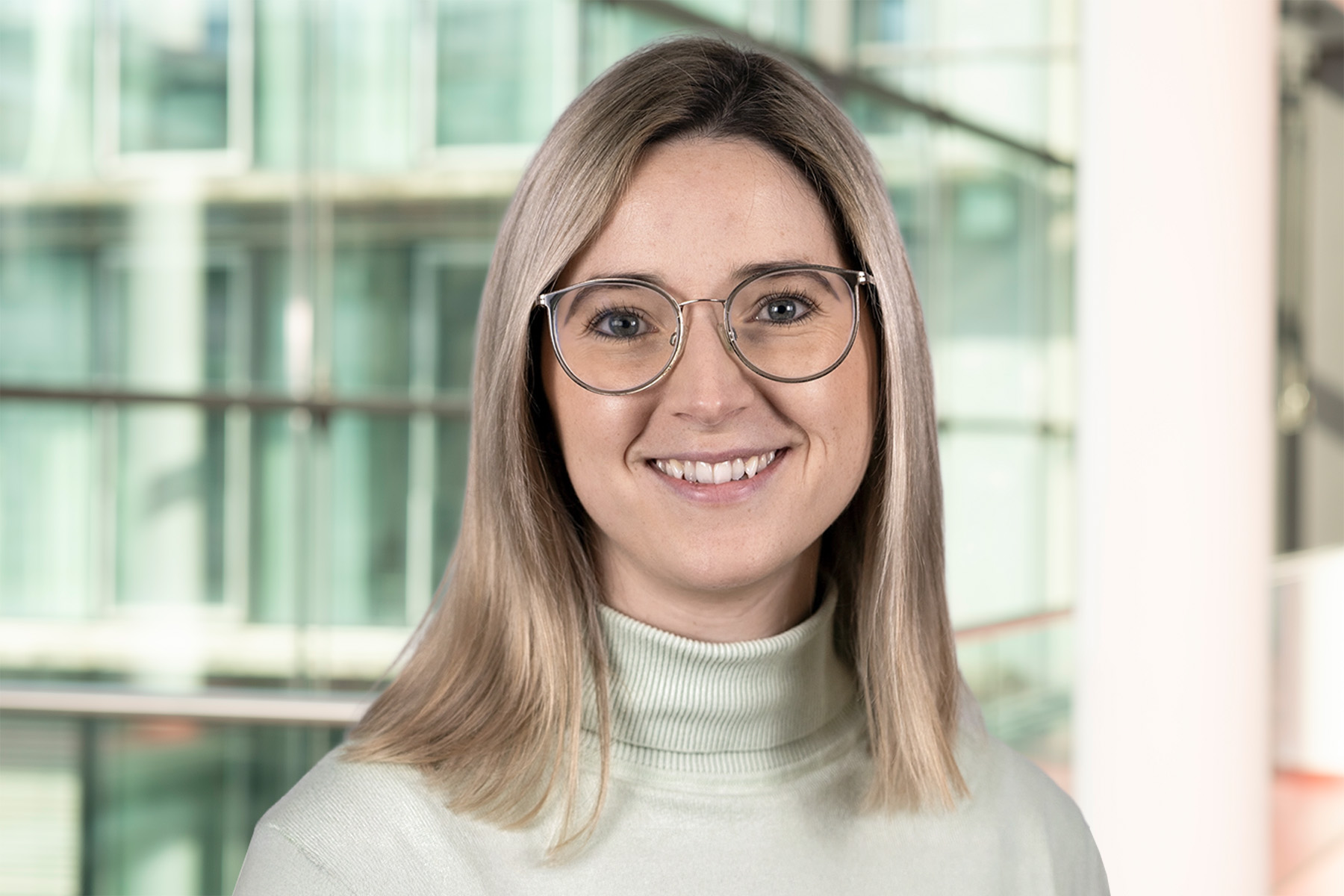
Lea Kirchhoff, dual student of computer science, cooperative study programme in computer science (KOSI)
Use IT to help millions of people reach their destinations safely
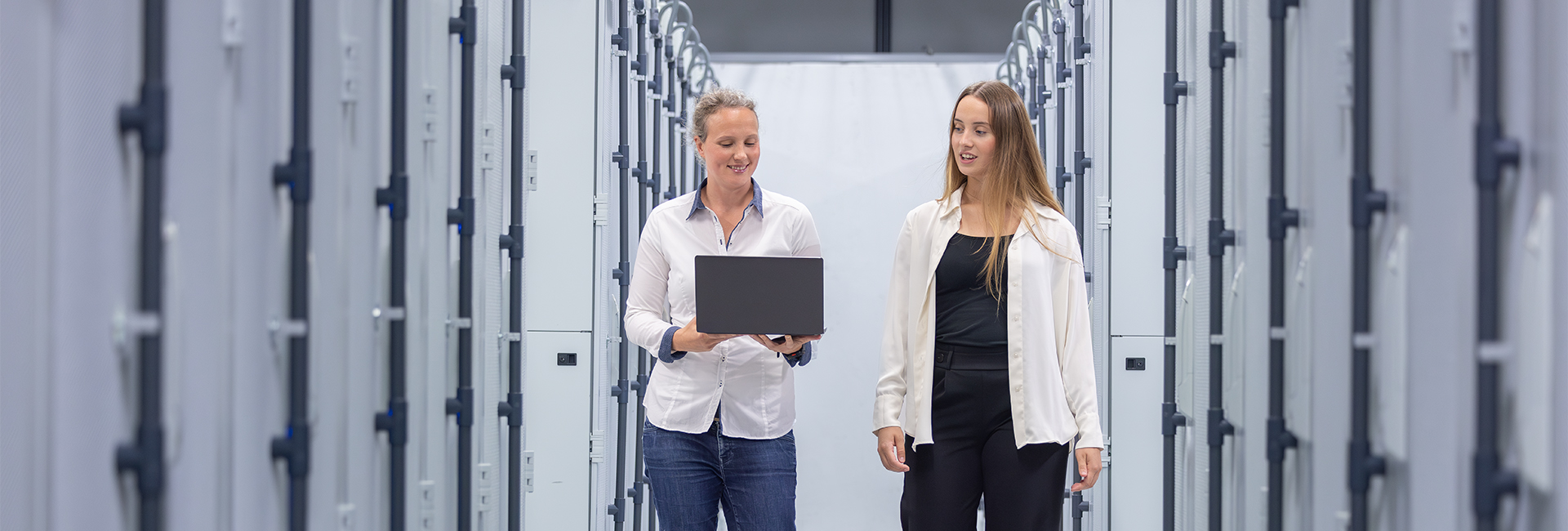
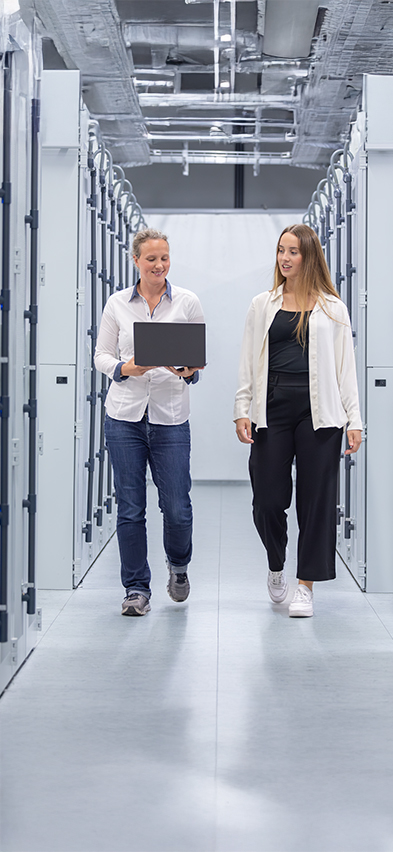
Are you keen to use innovative IT to ensure that millions of passengers reach their destinations safely? Then work with us to ensure the reliable operation of air traffic control software while also developing the next generation of IT solutions. You will learn everything you need for this in your computer science course of studies.
You will code, test and maintain software, advise users and build reliable distributed systems, ensuring that they are cloud-ready. You will help our air traffic controllers get aircraft safely on the ground and into the air.
There are still places available for the October 2025 start!

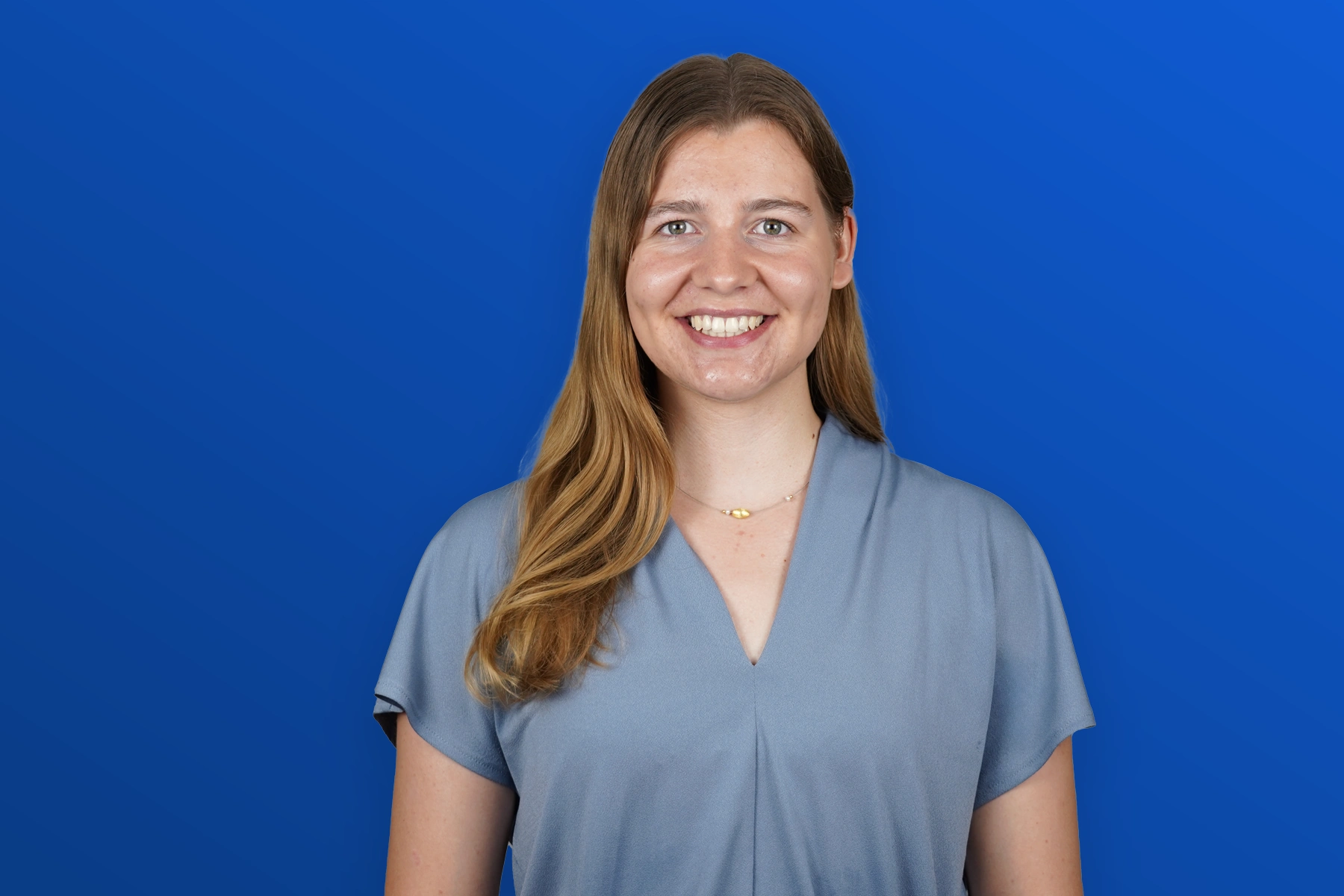
Lea Kirchhoff, dual student of computer science, cooperative study programme in computer science (KOSI)

The content of your course at Darmstadt University of Applied Sciences is wide-ranging. Indeed, it covers everything from maths/statistics, algorithms and IT security, through programming, databases and linear algebra, all the way up to engineering, computer architecture and project management. In the sixth semester, you will then choose an individual compulsory elective module – for example development of web-based applications, hacker contest, IT compliance, internet networking or cryptology.
As DFS operates its own Systems House, valuable practical assignments at the pulse of air traffic, each lasting several months, are guaranteed. You will work independently and responsibly, contributing to various administrative or operational IT projects. You will also receive personal and professional support from a dedicated contact in our training team. You can learn more about the exciting duties and the computer science course of studies at our online taster seminar.
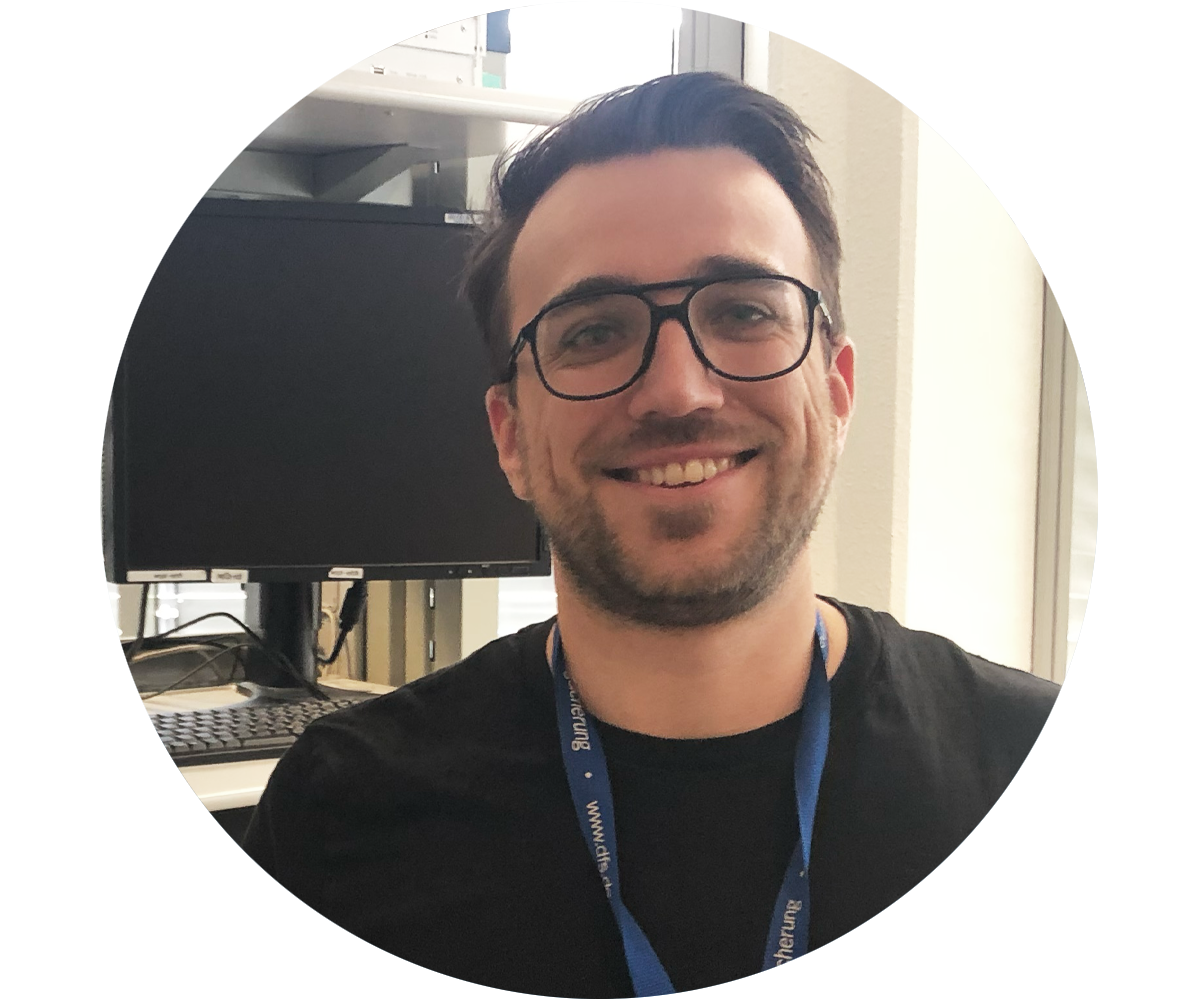
Lucas, our air navigation services engineer, offers you a peek behind the scenes in product management for the Tower Flight Data Processing System (TFDPS) at our Systems House in Langen.
07:00 – Off to work
Cycle from Frankfurt city centre to the Langen Campus.
07:40 – Arrive at DFS
Take a quick shower, then straight to work with a cup of tea and a banana.
08:00 – Daily update & simulator development
Take a quick look at my calendar and e-mails. Then, I turn my attention to my current project: developing new simulators for our tests with the TFDPS flight plan data processing system.
09:30 – Regular meeting on flight data processing
Discuss the current status of the systems for each DFS tower site with my team and the requirements management team. We report to one another about upcoming changes, deadlines, problems that have arisen and general topics, such as my progress in simulator development.
11:30 – Breakfast
Lunch break for normal people, but "breakfast" for my department :)
12:00 – Team talk
I discuss the further development of our TFDPS middleware, as well as the ever-growing requirements due to European directives and regulations, with my colleague and mentor, Stefan.
12:30 – Simulator development
I invest another hour in simulator development. Java docs and stack overflow are my constant companions. This all occurs with the involvement of my team, in case any tricky questions come up in the complex world of air traffic control.
13:30 – Test preparation with Berlin Brandenburg Airport (BER)
We head off to the cool server rooms of the test system, although obviously not without first grabbing a fresh cup of tea and a Snickers bar (just in case). For the upcoming test with BER, the new release of the TFDPS middleware still needs to be installed in the test system and briefly tested beforehand. I then prepare the test system for the upcoming test and collect my documents for the Berlin site.
14:30 – Test with BER Airport
Stefan, Frank (from requirements management) and Sabrina (from system development) join us for the meeting. The video call with the IT team at BER is running on the DFS laptop and our Berlin test system is displayed on the numerous other screens. After a brief check of the systems and the connection of our test system to the BER test system, we run through the previously prepared test scenarios. I monitor the log files and check that the data exchange is progressing correctly here.
16:30 – End of shift
I write a quick e-mail to colleagues about the successful test with BER Airport, archive the test log, then head to the changing room and cycle home.

Cover letter: Show that you are interested in aviation and IT
CV: What have you done so far?
Letters of reference / transcripts: Please submit current references/transcripts
Step 1: Online test
Step 2: Telephone interview
Step 3: Assessment centre at our Langen Campus
Then, please get in touch with:
Jasmin Giesecke
+49 (0)6103 707-5158
jasmin.giesecke@dfs.de