
At home wherever we are needed
DFS sites
DFS controls air traffic in German airspace from 4 control centres and at all 15 designated international airports. This means our sites are spread throughout the whole of Germany. You can find information on our Headquarters in Langen and other sites throughout Germany below.

Our Headquarters in Langen
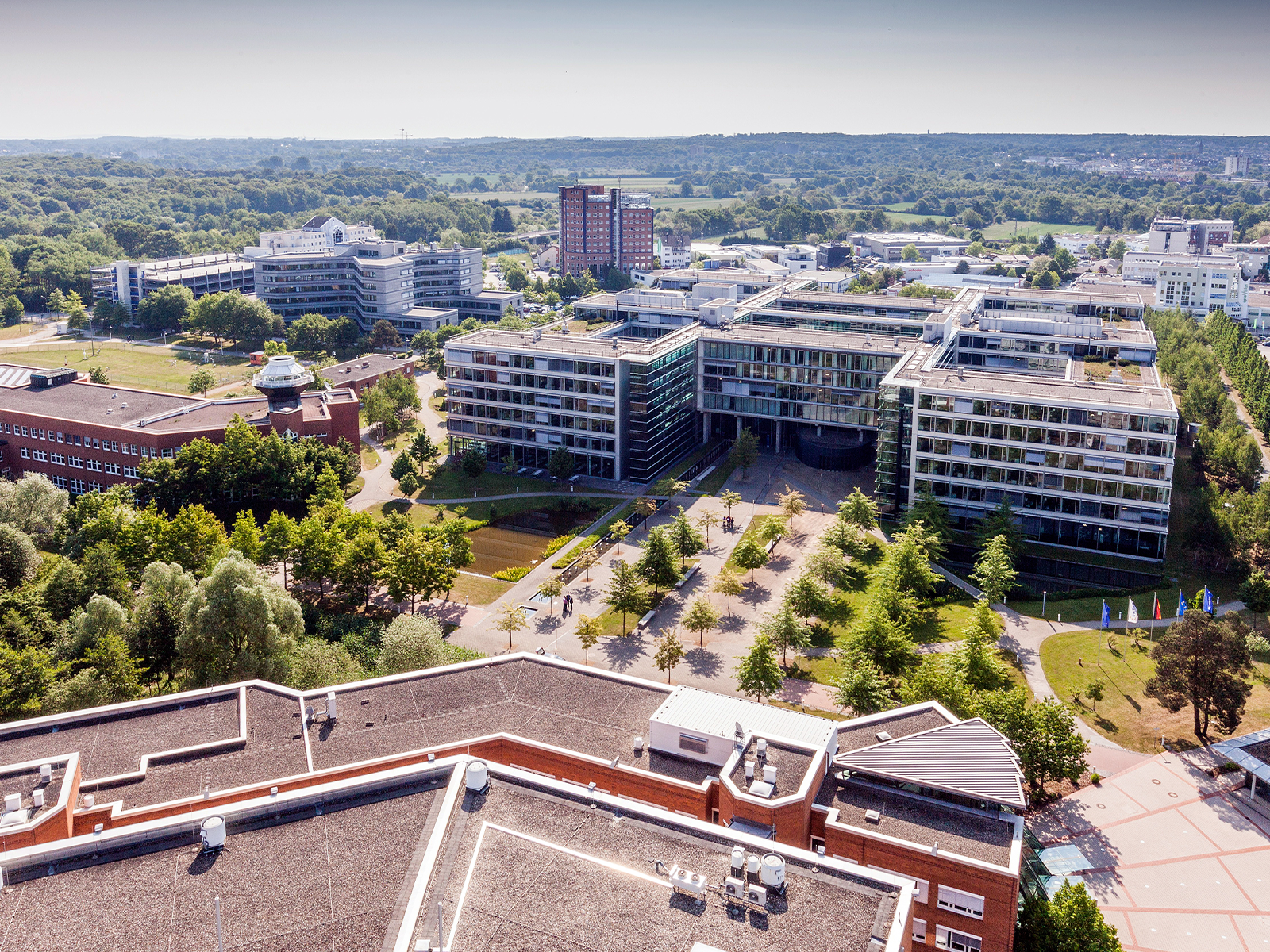
Our Headquarters is located in Langen, in the heart of the Rhine Main region. The Langen control centre – one of the largest control centres in Europe – is also located here. It is flanked by our corporate divisions, our Technology Centre, our IT Systems House, our Research and Development Centre and the DFS Academy. Thanks to its convenient location, modern buildings and park-like character, our Campus offers ideal conditions for both working and relaxing.
Our control centre and tower sites
Berlin
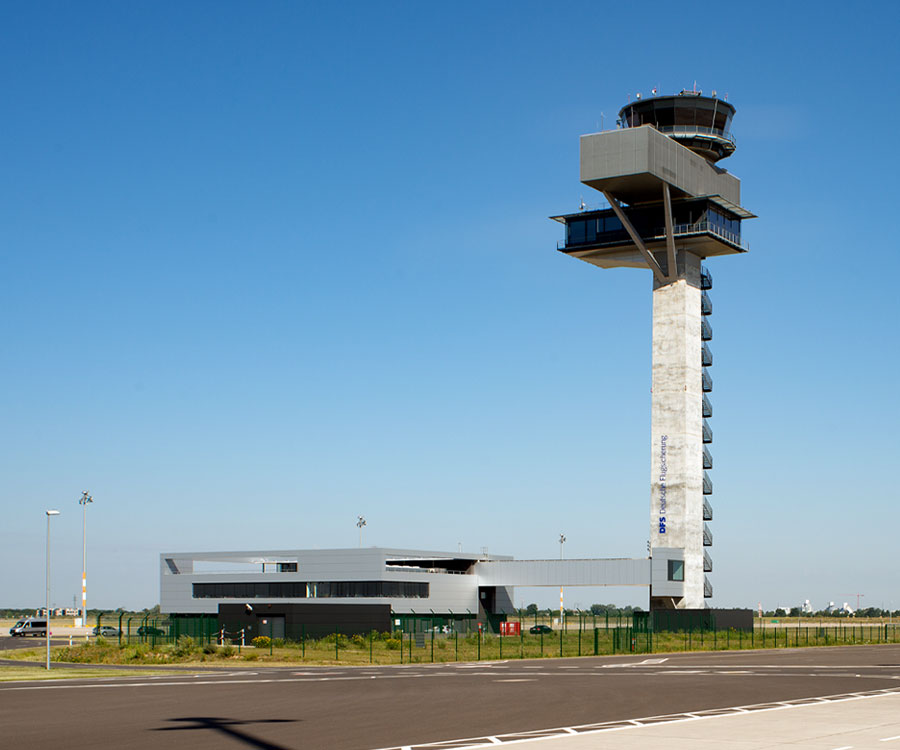
Standing at a height of around 70 metres, the tower rises above the runways and offers an excellent view of the entire airport.
In this state-of-the-art control tower, more than 40 air traffic controllers ensure the safe and smooth flow of air traffic.
The positioning of the tower makes it possible to keep a precise eye on the entire airport infrastructure as well as the airspace around Berlin.
A nice place to live
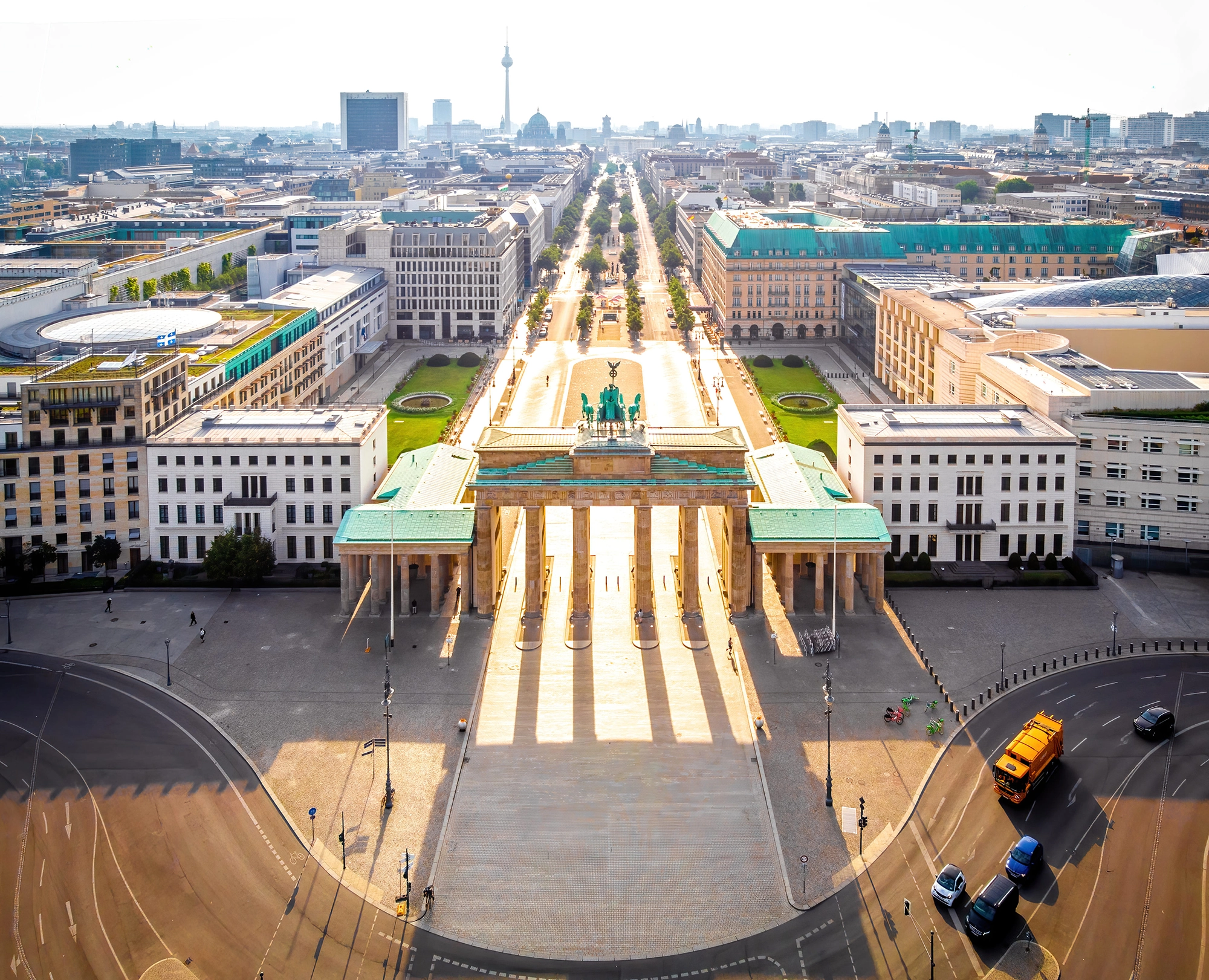
Berlin has a unique blend of cultural offerings, quality of life and a lively urban scene. This combination of cultural richness, vibrant city experiences and a high quality of life makes Germany’s capital a desirable place for anyone looking to find a home in an exciting and multifaceted environment.
One of Berlin's great attractions is its lively cultural and art scene. The city is a centre for music, theatre and art. It boasts countless galleries, museums and regular events. The many street parties and festivals that take place throughout the year are particularly popular and offer a colourful range of experiences. The city’s nightlife is just as legendary. Thanks to the many clubs, bars and restaurants, there is never a dull moment after dark.
Berlin also offers a high quality of life at a comparatively moderate cost of living. The city is dotted with green parks, lakes and rivers. These provide ideal opportunities for relaxation and outdoor leisure activities. Places like the Tempelhofer Feld former parade ground or Müggelsee natural lake are particularly popular among both long-term and new residents, especially in summer when they can relax or enjoy playing sports.
Bremen
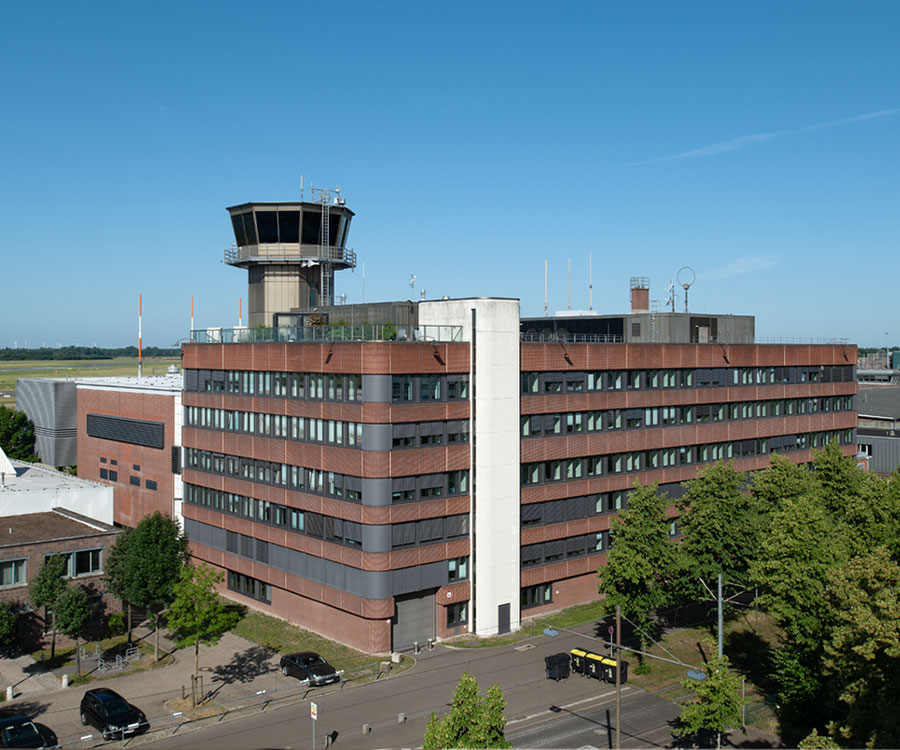
With its area control centre (ACC) and tower, our site in Bremen plays a key part in monitoring German air traffic.
The ACC is responsible for monitoring the lower airspace in the Bremen flight information region under the call sign Bremen Radar. Around 500 employees work here, handling up to 1,800 flights per day.
Bremen Airport is also home to the tower, which is integrated into the DFS branch North building. This makes it the only tower in Germany that is directly connected to a control centre. Fifteen air traffic controllers work in the 31-metre-high tower and are responsible for around 32,000 aircraft movements each year.
A nice place to live
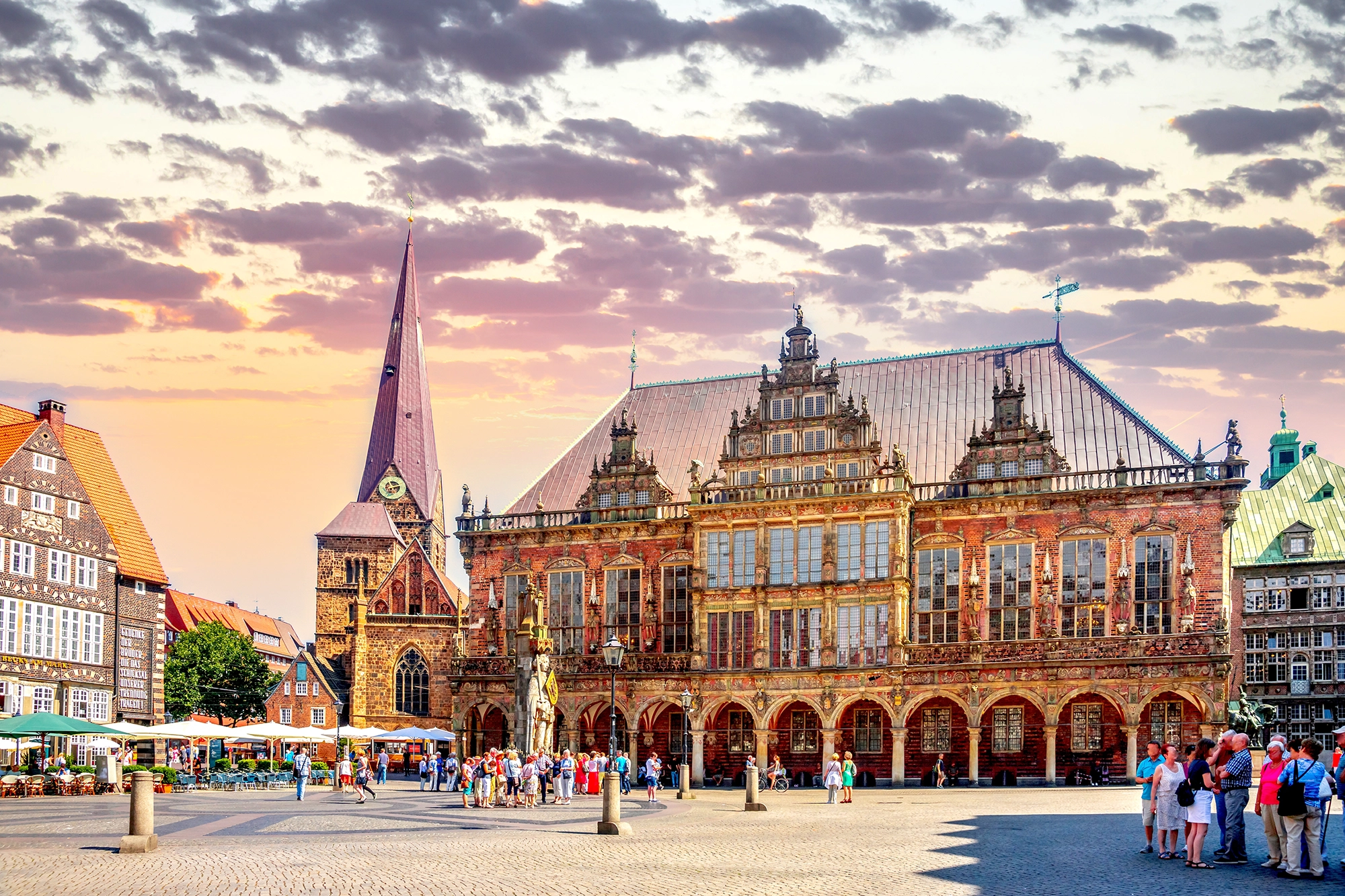
Bremen, the city on the river Weser, presents itself as a symbiosis of the traditional and the modern. It captivates both history and culture lovers. Its oldest district, Schnoor, is a particular highlight. This charming area offers a winding labyrinth of medieval houses, narrow alleyways and quaint cafés. Bremen Town Hall, one of the most important buildings of the Gothic and Weser Renaissance periods, and the impressive Roland statue, which symbolises freedom and the rights of the city, are UNESCO World Heritage Sites. The bronze sculpture of the Bremen Town Musicians (Bremer Stadtmusikanten), reminiscent of the famous fairytale, is also located in the immediate vicinity.
The city has more bridges than Venice, with over 600 bridges spanning the Weser and numerous canals. Bremen also has a great deal to offer from a cultural perspective. From museums, theatres and art galleries to music events, there is something for every taste. Bremen's Bürgerpark, a green paradise right in the heart of the city, is the ideal spot for relaxing walks and picnics.
Dresden
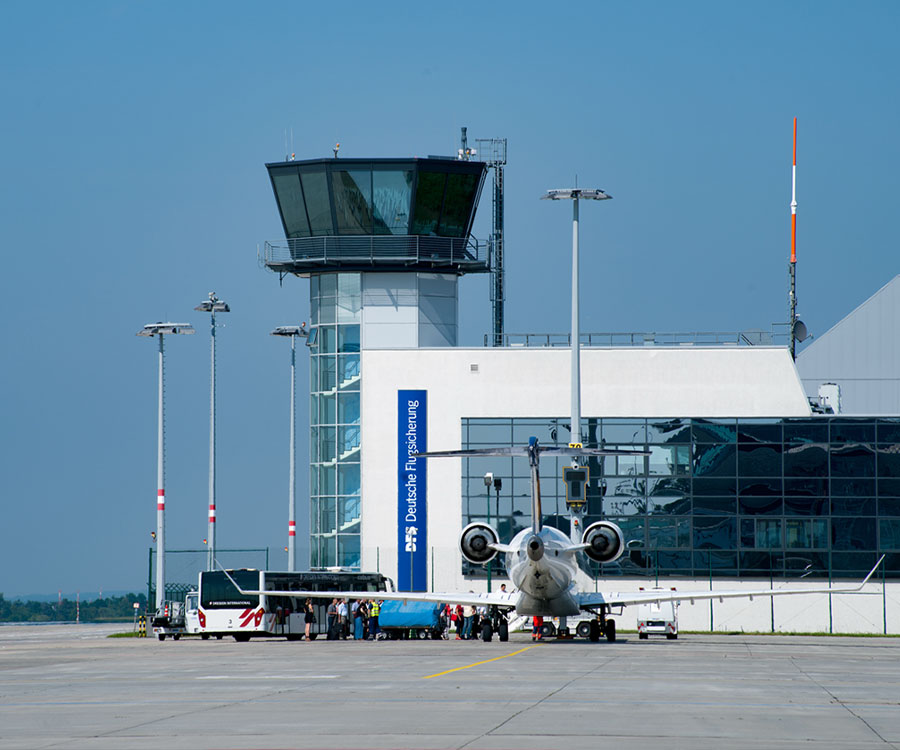
The DFS tower at Dresden Airport is located at Hermann-Reichelt Str. 25 in the Klotzsche industrial estate.
In this 28-metre-high control tower, 14 air traffic controllers monitor and coordinate all air traffic in the region.
Using state-of-the-art radar and communication facilities, they ensure the safe handling of take-offs, landings and flight routes in and around Dresden.
A nice place to live
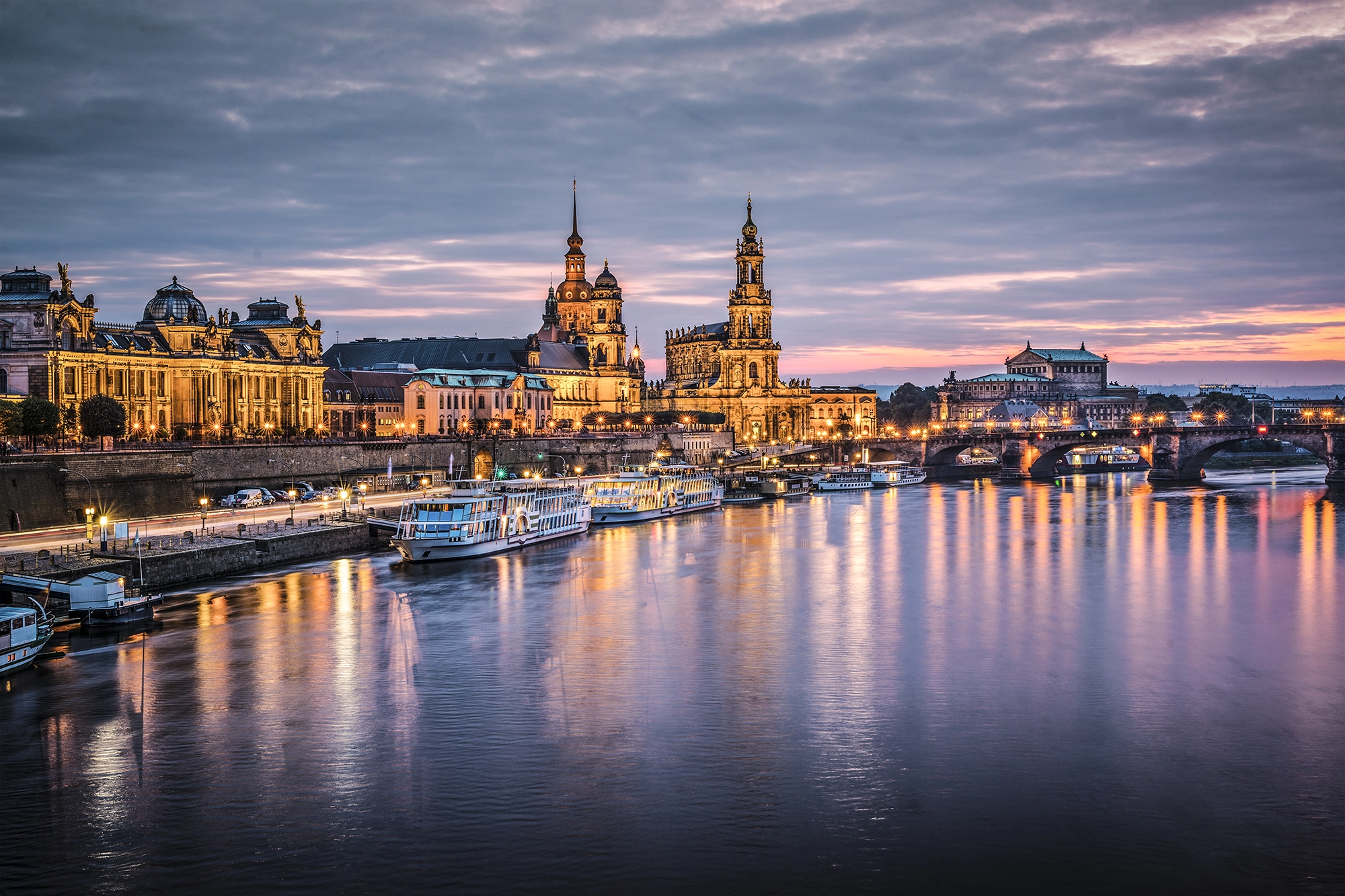
Dresden is located on the river Elbe and offers a unique mix of culture, history and a growing economy. As a dynamic centre of technology and science, Dresden is often referred to as Silicon Saxony. Numerous green spaces, such as the Grand Garden (Großer Garten), are perfect for relaxing or for sports activities. At the weekends, you can go hiking or climbing in Saxon Switzerland (Sächsische Schweiz), located around half an hour from the city.
There is also plenty to discover in Dresden from a cultural perspective. The baroque Old Town is a real highlight, as it is home to the famous Frauenkirche church, the Zwinger palatial complex with gardens and the Semperoper opera house. However, the Neustadt (new town) quarter is also well worth a visit. This is the alternative heart of the city with cool bars, cafés and a lively street art scene. The first German Christmas stollen cake was baked in Dresden and the city hosts an annual Stollen Festival, where a giant stollen is paraded through the city.
Düsseldorf
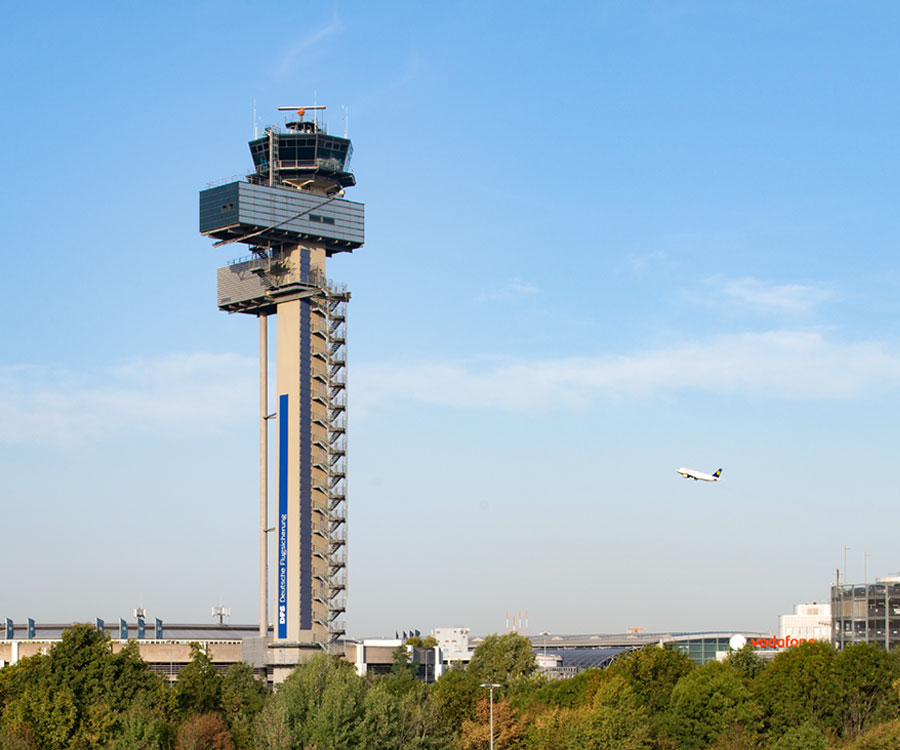
Düsseldorf Airport (EDDL) is home to the impressive DFS airport tower. Standing at a height of 85 metres, this tower is the tallest DFS tower in Germany to date.
Some 30 air traffic controllers work from here, monitoring air traffic and coordinating around 150,000 aircraft movements every year. The tower offers a breathtaking view of the city and the surrounding area.
A nice place to live
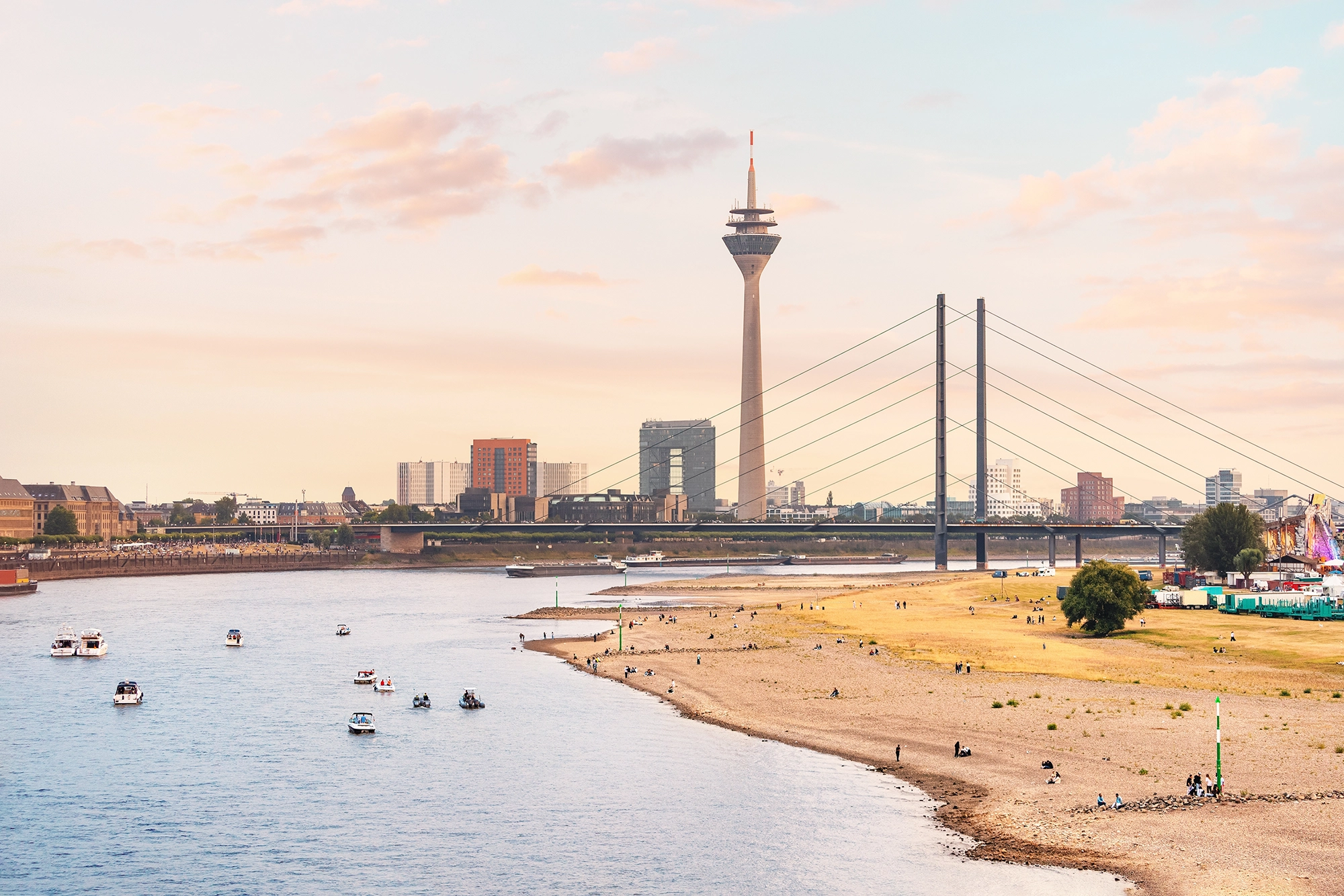
Düsseldorf, the state capital of North Rhine-Westphalia, is picturesquely situated on the Rhine and combines the traditional with the modern for a unique charm. The city is famous for the Königsallee, affectionately known as the Kö, one of the most elegant shopping streets in Europe, offering exclusive boutiques and cafés. The Old Town attracts visitors with its historic flair, cosy breweries and traditional dark Altbier. In the Old Town, you can experience the famous Rhineland joie de vivre, which is particularly evident in the narrow alleyways and lively squares.
Düsseldorf also has a modern side. With its impressive contemporary buildings, the Media Harbour complex (MedienHafen) always attracts architecture enthusiasts. Futuristic buildings stand alongside industrial complexes that have been lovingly restored. In addition to art and culture, Düsseldorf offers numerous opportunities for relaxation – whether walking along the banks of the Rhine or visiting one of the many parks. The city is multifaceted and dynamic, always ready to surprise its visitors with new discoveries.
Frankfurt
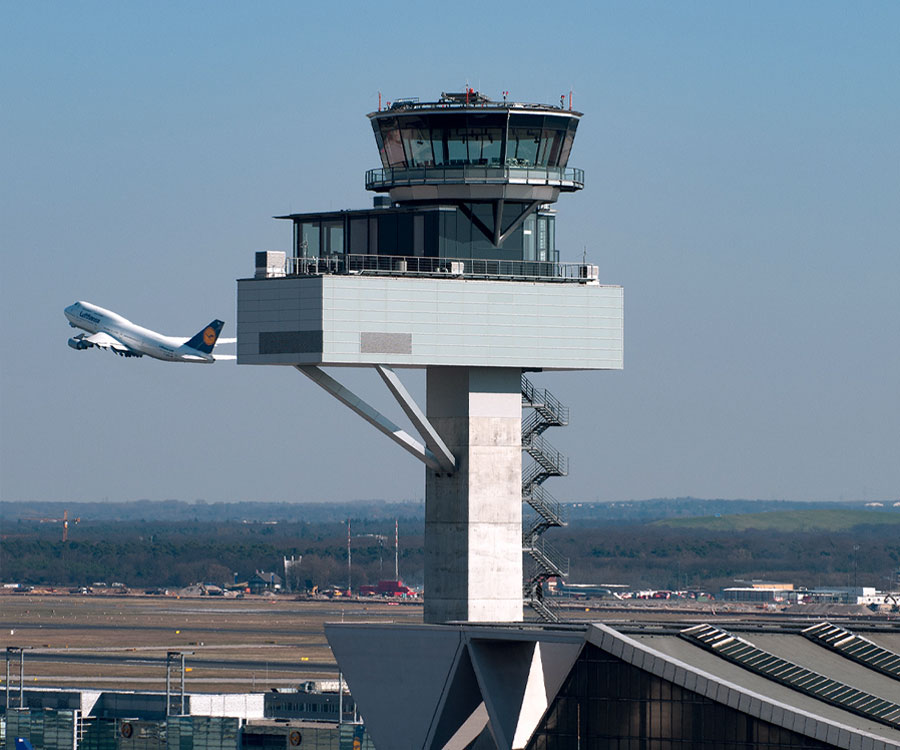
The DFS tower at Frankfurt Airport is a central component of air traffic control and was rebuilt in 2011 as part of the airport expansion.
Some 50 air traffic controllers monitor and coordinate around 390,000 aircraft movements per year under IFR (instrument flight rules) and VFR (visual flight rules). This vast number of take-offs and landings makes Frankfurt one of Europe’s busiest airports.
A nice place to live
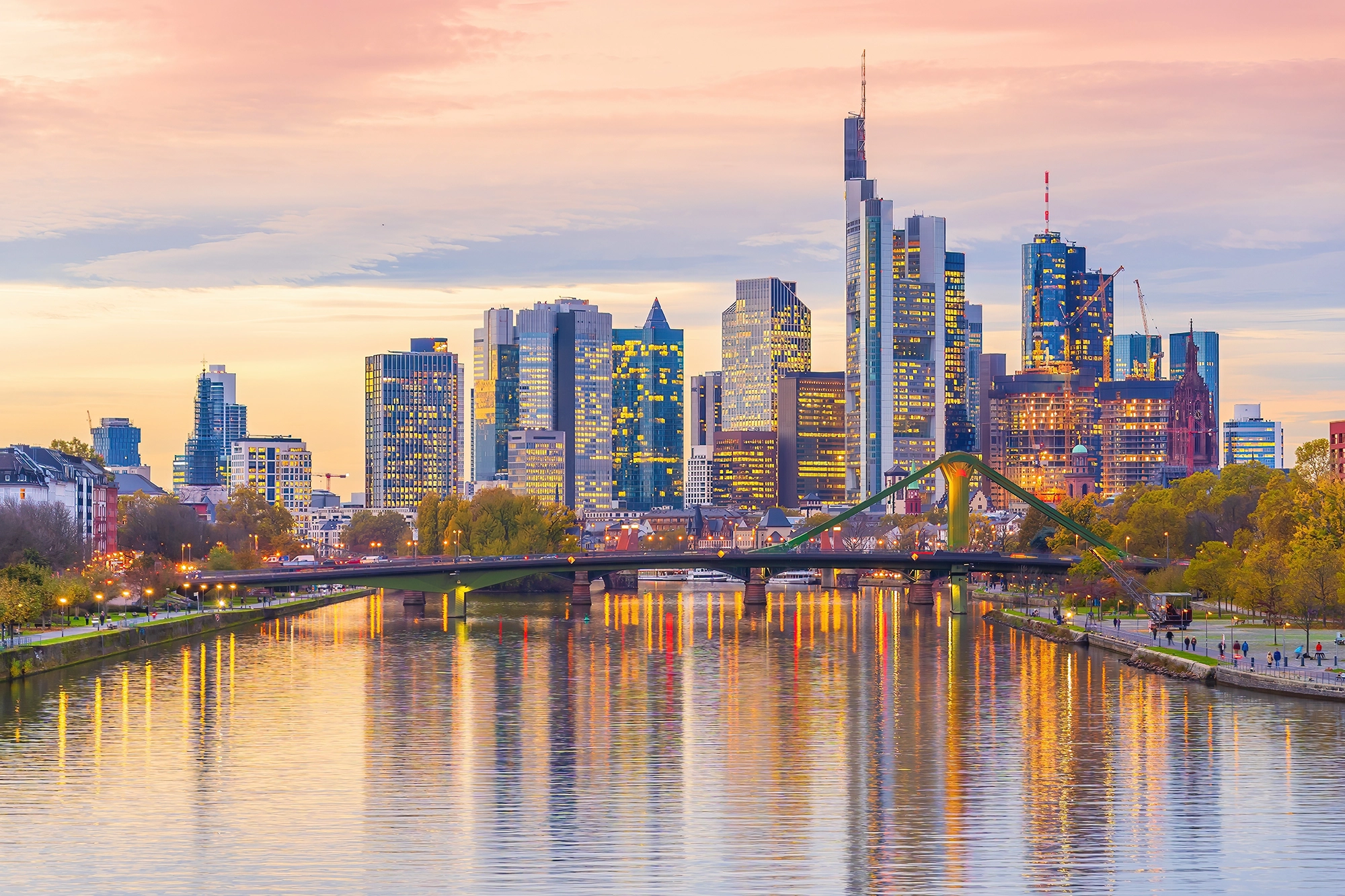
Frankfurt am Main is a city that offers a particularly attractive living environment. Thanks to its lively mix of urban flair, cultural diversity and fantastic nightlife, the city has a lot to offer – far beyond its importance as a financial centre.
Indeed, it is home to numerous museums, theatres and art galleries. The Museum Embankment (Museumsufer) is a special highlight here, impressing with a wide selection of museums and cultural offerings – from the Städel Museum to the German Film Museum (Deutsches Filmmuseum). Numerous parks, such as the Palm Garden botanical garden and Grüneburg park, are the ideal locations for relaxing and enjoying sports activities. The banks of the river Main are also a popular place to go for a walk, meet up with friends or wind down and enjoy the sunset after a hard day’s work.
Frankfurt is also a melting pot of different cultures, which is reflected in the particularly wide range of culinary delights on offer. Whether Asian, Mediterranean or typically German cuisine – the range of restaurants, snack bars and cafés is enormous. Frankfurt’s vibrant nightlife also attracts people to the city. From chic rooftop bars with a view of the skyline to numerous clubs and cosy pubs in Sachsenhausen, there is no shortage of places to enjoy an evening out.
Hamburg
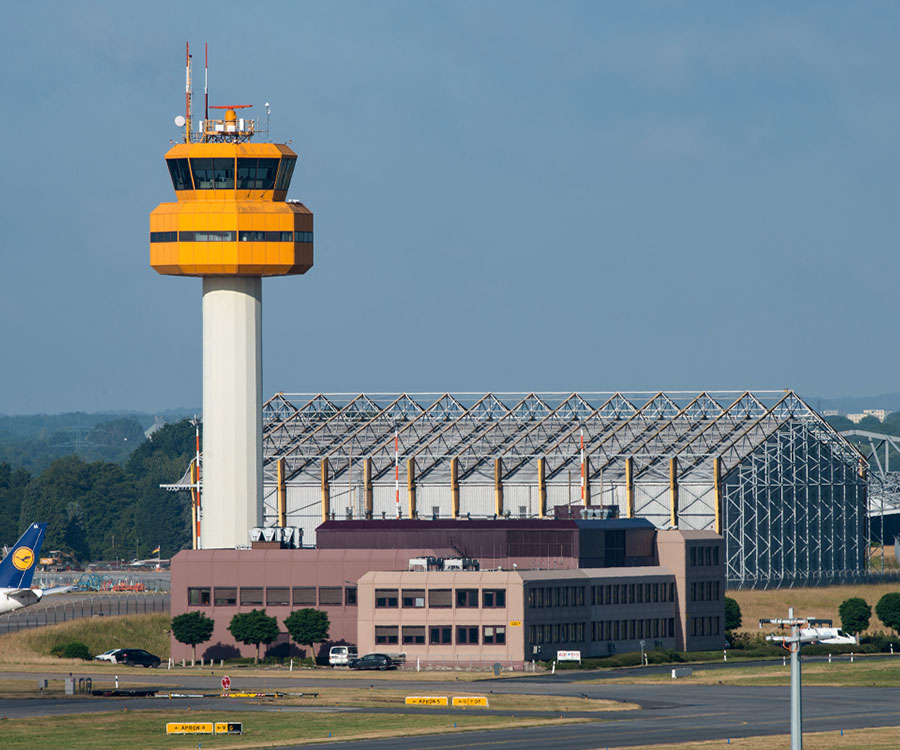
DFS operates a 45-metre-high control tower at Hamburg Airport (EDDH). With over 120,000 aircraft movements per year, the airport is an important hub for international air traffic and plays a key role in the Hanseatic city’s economy, including tourism.
The Hamburg tower represents the key element of on-site air traffic management. A team of 28 experienced air traffic controllers ensures that air traffic runs smoothly and safely around the clock. The air traffic controllers are not only responsible for controlling air traffic at Hamburg Airport, but also for all VFR traffic within Hamburg's combined control zone, which also includes the Finkenwerder and Fuhlsbüttel airports.
A nice place to live
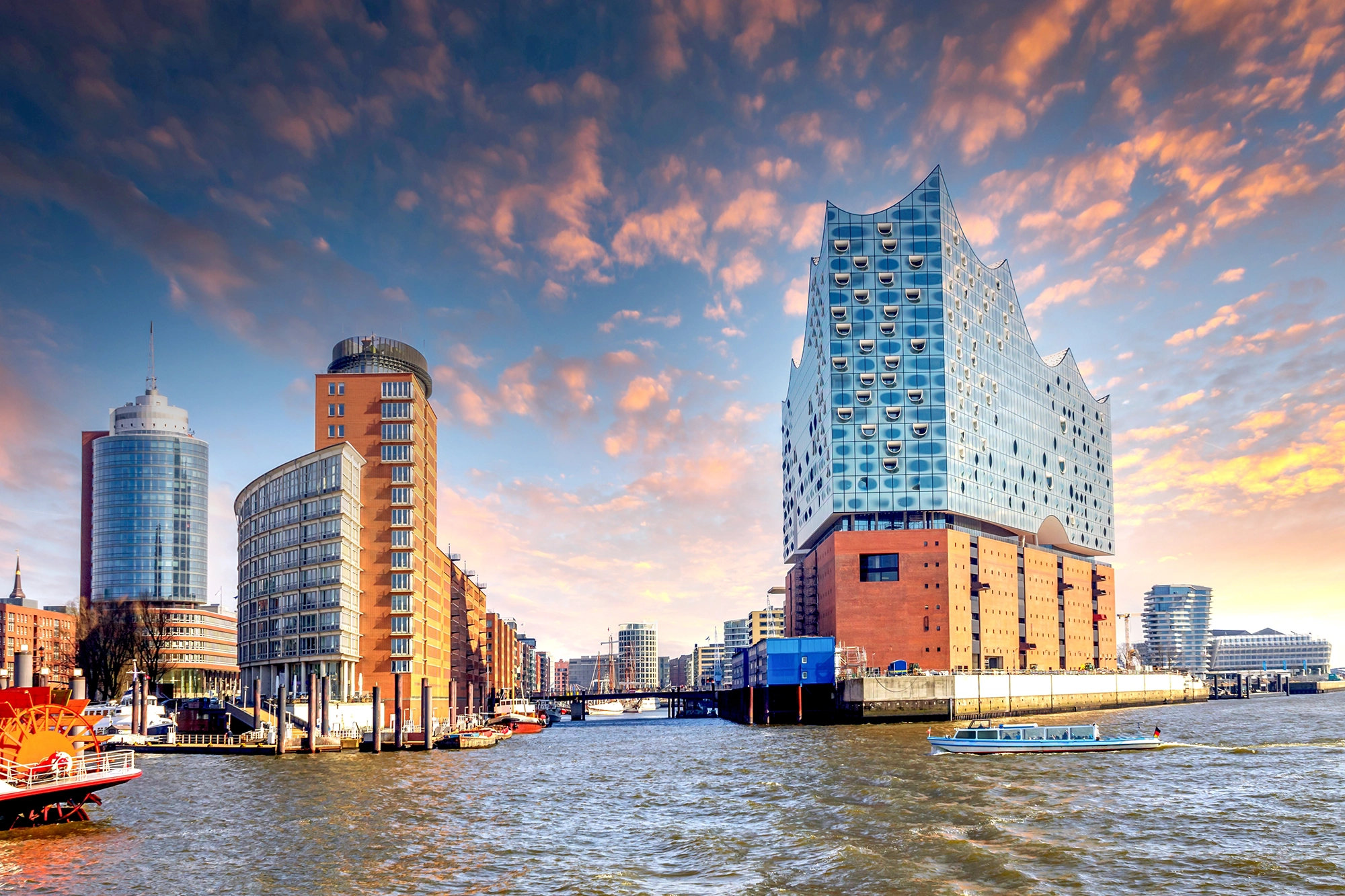
Hamburg, the metropolis on the river Elbe, offers an impressive mix of historical substance and modern flair. The important harbour has acted as a gateway to the world for centuries and is a great place to enjoy Hamburg's maritime atmosphere – whether on a stroll through the historic Speicherstadt warehouse district or while exploring the modern HafenCity quarter.
Alongside the famous fish market and other lively markets, green oases such as the Planten un Blomen park and numerous waterways are what give Hamburg its special character. The various districts, from the trendy Schanze to the elegant Eppendorf, offer a variety of experiences.
Hamburg's cultural landscape is also impressive: from first-class museums and a wide range of theatrical and musical performances, through classic operas and modern musicals, all the way up to the Elbphilharmonie concert hall, which is considered one of the best in the world.
Hannover
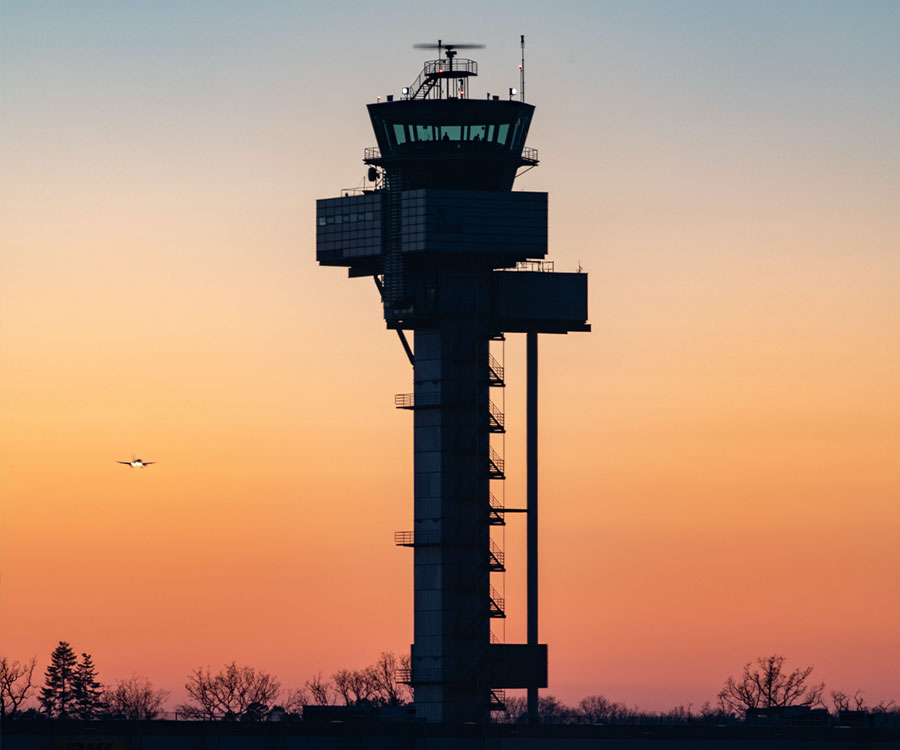
The DFS tower at Hannover Airport is a central component of air traffic control in the region.
With a total of 18 experienced air traffic controllers, DFS makes sure that around 70,000 aircraft movements per year are handled both efficiently and safely.
These flight movements include take-offs and landings and make Hannover Airport, officially known as Hannover Langenhagen, an important hub for both regional and international air traffic.
A nice place to live
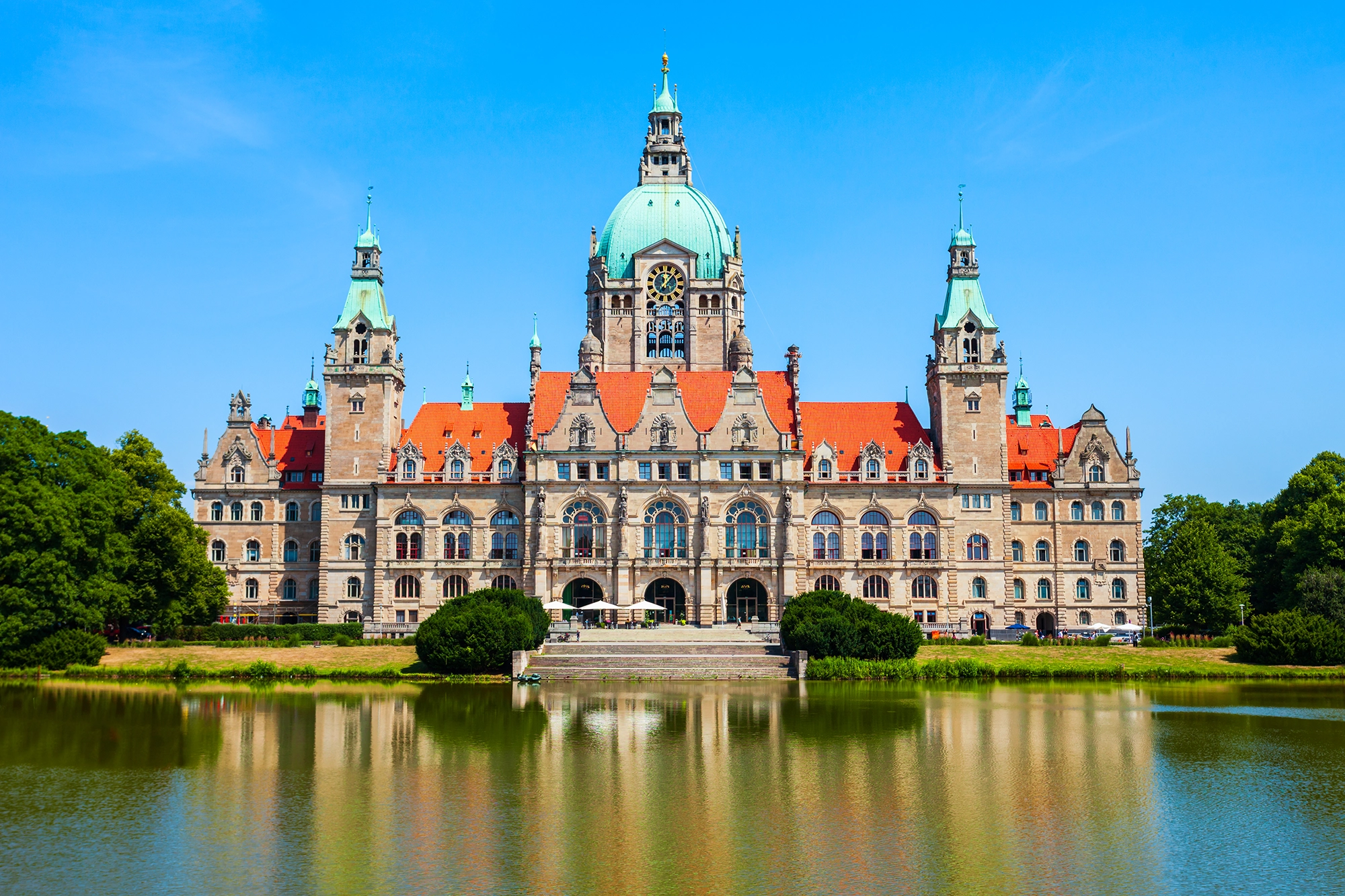
Hannover is a city full of life and diversity that has a great deal to offer in terms of leisure activities, culture or simply feeling good. The Masch Lake (Maschsee), located right in the heart of the city, is a paradise for joggers, cyclists and water sports fans, as well as a perfect spot to relax on the banks of the lake. The Herrenhausen Gardens (Herrenhäuser Gärten) are another highlight. These gardens of the Herrenhausen Palace are not only truly beautiful, but also provide a stage for all manner of exciting cultural events.
When it comes to culture, Hannover is far from boring. Whether theatres, museums or galleries – there is always something new to discover. The trendy Linden district is home to bars, clubs and cool street art. Festivals such as the Fährmannsfest open air music festival or the Maschsee Lake Festival (Maschseefest) provide plenty of good vibes. Hannover is also a great city for cyclists. Thanks to the excellent network of cycle paths, the city is a fantastic place to explore on two wheels.
Karlsruhe
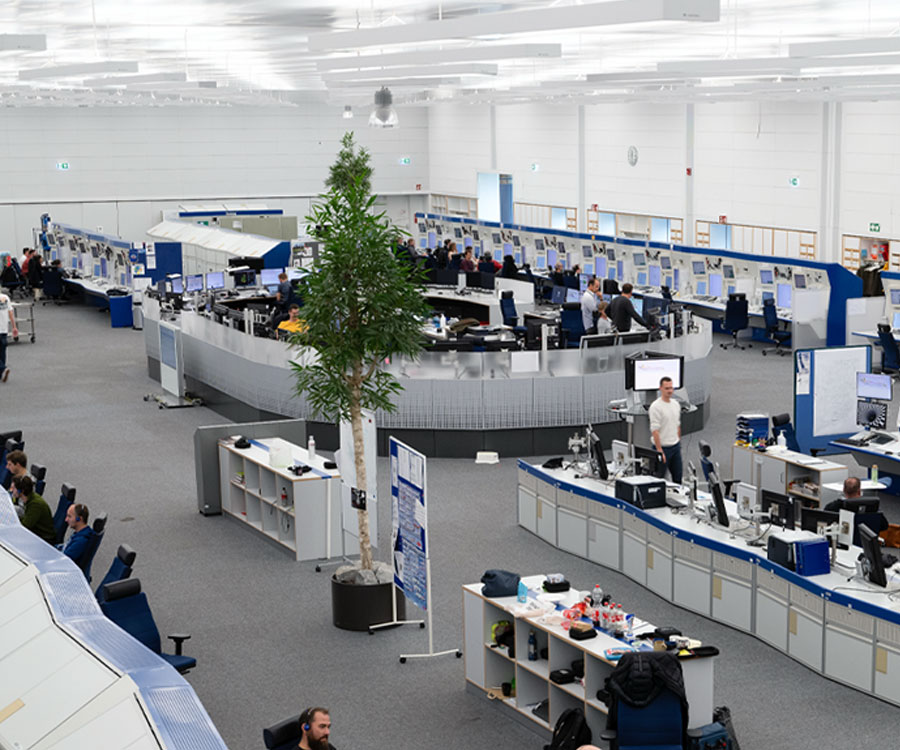
The upper area control centre (UAC) of DFS is located at Rintheimer Querallee 6 in Karlsruhe.
Around 700 air traffic controllers ensure that Europe's largest shared airspace above 7,500 metres – stretching from Malmö across the Baltic Sea to Padua – is monitored safely and efficiently.
This secures smooth and orderly air traffic in one of the world's busiest airspaces.
A nice place to live
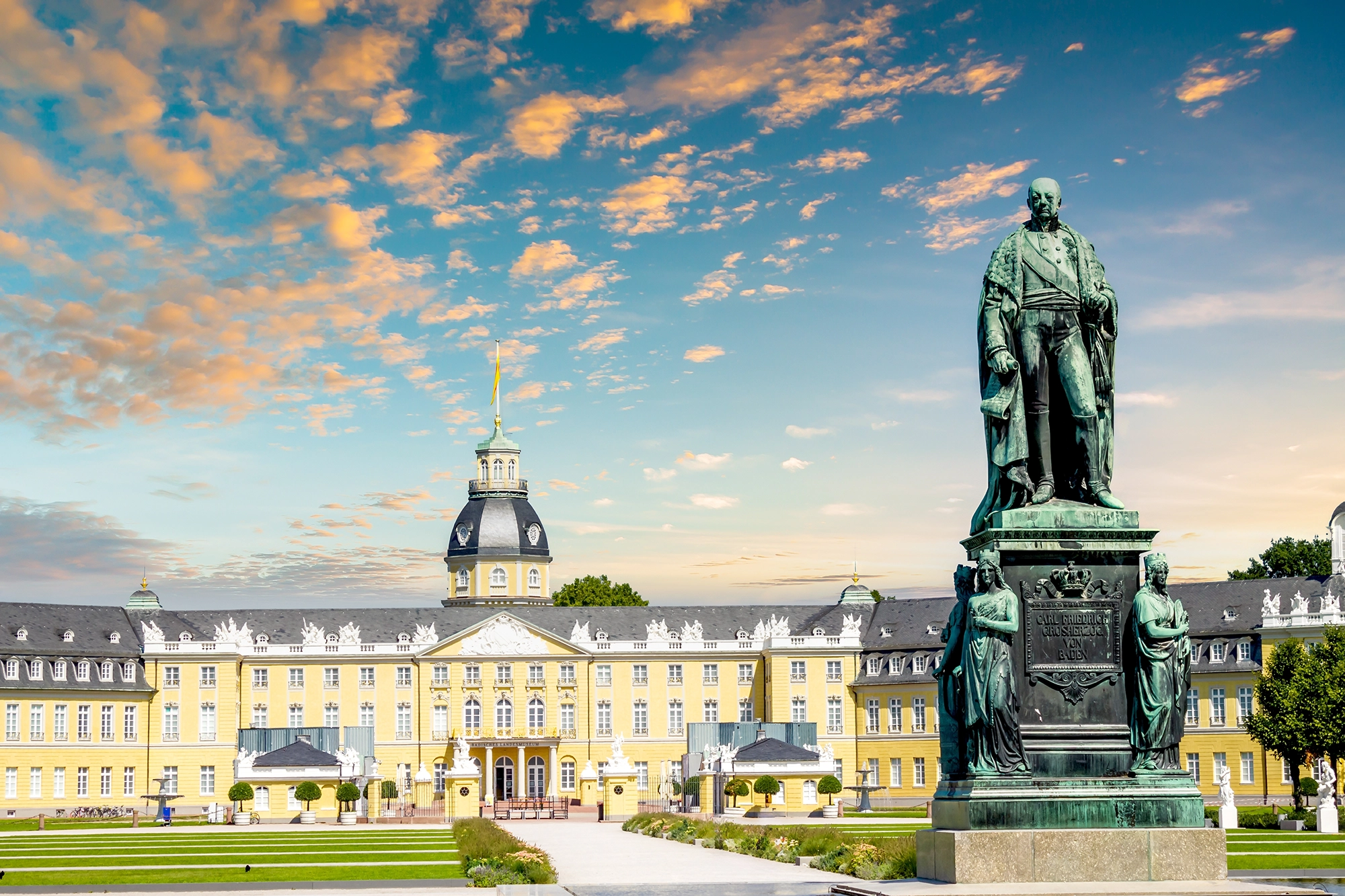
The city of Karlsruhe impresses with its unique fan-shaped layout, in which all streets radiate out from the centrally located Karlsruhe Palace (Schloss Karlsruhe). This makes it easy for you to find your way around and lends Karlsruhe a charming flair. There are also plenty of leisure options to suit every taste in Karlsruhe – from bustling cafés in the historic district of Durlach to the green avenues of Neureut. The Zoological Gardens Karlsruhe (Stadtgarten) invite you to sunbathe, while the nearby Rhine Valley is the perfect choice for hikers and cyclists. If you are a fan of culture, there are many museums to visit, such as the renowned Centre for Art and Media (ZKM).
Karlsruhe also boasts excellent transport links and a wide range of gastronomic options – from exotic restaurants, through traditional breweries to small gourmet bistros. For wine lovers, the nearby vineyards and wineries offer perfect opportunities for relaxing afternoons and sociable evenings.
Cologne Bonn
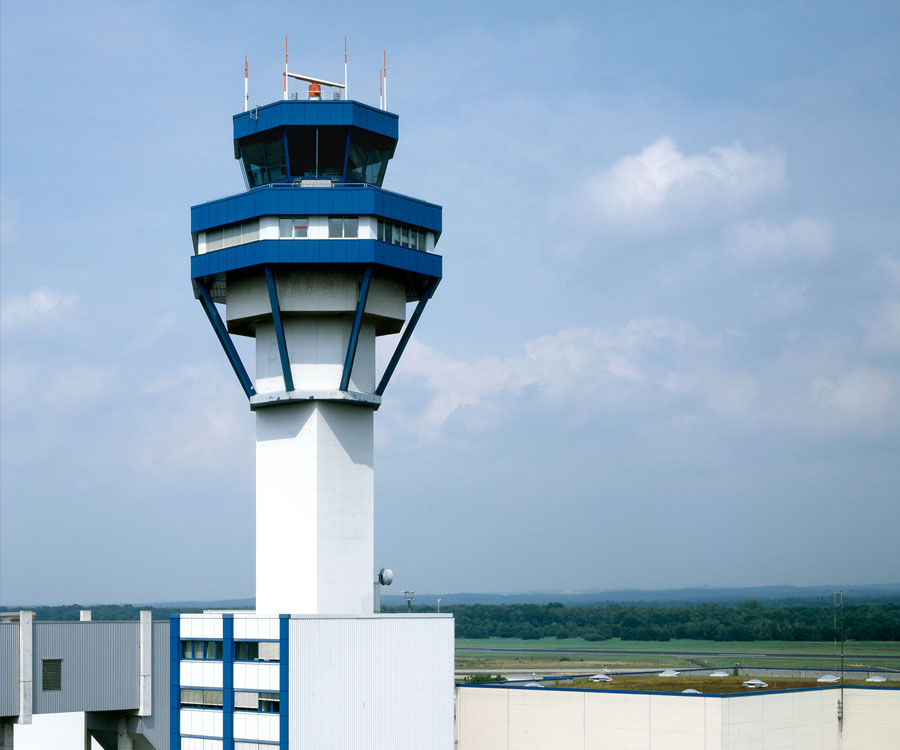
The tower at Cologne Bonn Airport has been in operation since 1994. It rises an impressive 58 metres above the taxiway and offers an excellent view over the entire airport grounds.
Some 30 air traffic controllers work in the 40-square-metre tower cab here. With around 140,000 aircraft movements per year, Cologne Bonn Airport is an important hub for international air traffic.
A nice place to live
The two Rhine cities of Cologne and Bonn offer a fascinating synergy of history, culture and modern lifestyle.
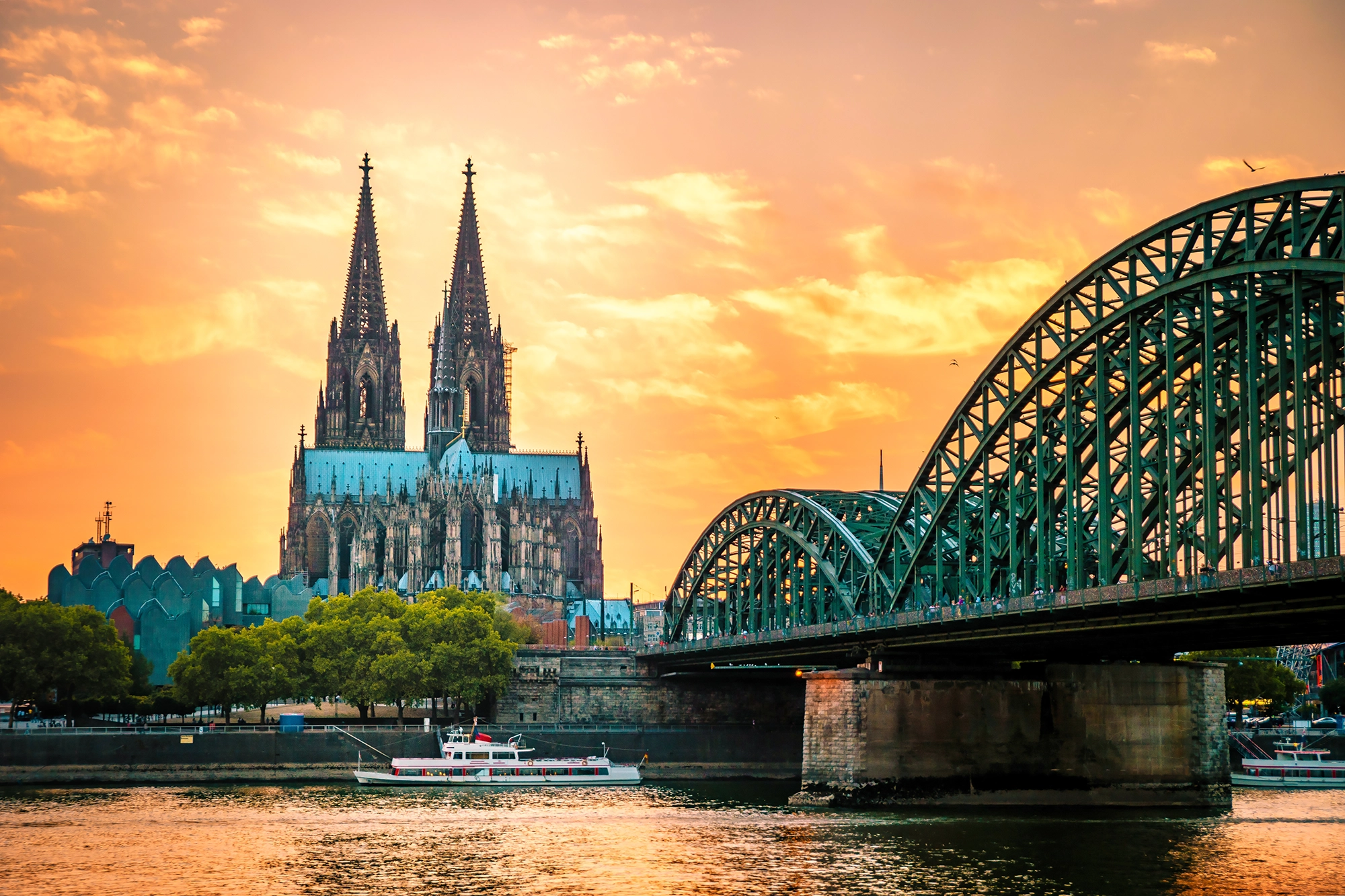
As one of the largest cities in Germany, Cologne impresses with the iconic Cologne Cathedral, a masterpiece of Gothic architecture. This incredible building dominates the cityscape and attracts visitors from across the globe. Cologne is also a centre for media and art, boasting a large number of museums, galleries and theatres. Two particular highlights are the Museum Ludwig for important modern art and the Imhoff Chocolate Museum Cologne (Kölner Schokoladenmuseum). The city is known for its traditional hospitality, which is reflected in its numerous breweries and restaurants. Kölsch is an indispensable part of Cologne's drinking culture. This pale, top-fermented beer is served in a narrow, tall glass that resemble a test tube, known locally as a Stange.
In contrast, Bonn offers a more peaceful yet no less fascinating atmosphere. As Germany’s former capital, the city has a rich political and cultural history, characterised by historic buildings such as the Bonn Minster (Bonner Münster) and the former government buildings. Bonn has also developed into an important centre for science and culture, in particular thanks to the University of Bonn (Rheinische Friedrich-Wilhelms-Universität). Bonn is known for its relaxed, family-friendly atmosphere, which is complemented by numerous parks, cafés and cultural events. The nearby Seven Hills Nature Park (Naturpark Siebengebirge) also offers plenty of opportunities for recreation and outdoor activities.
Leipzig Halle
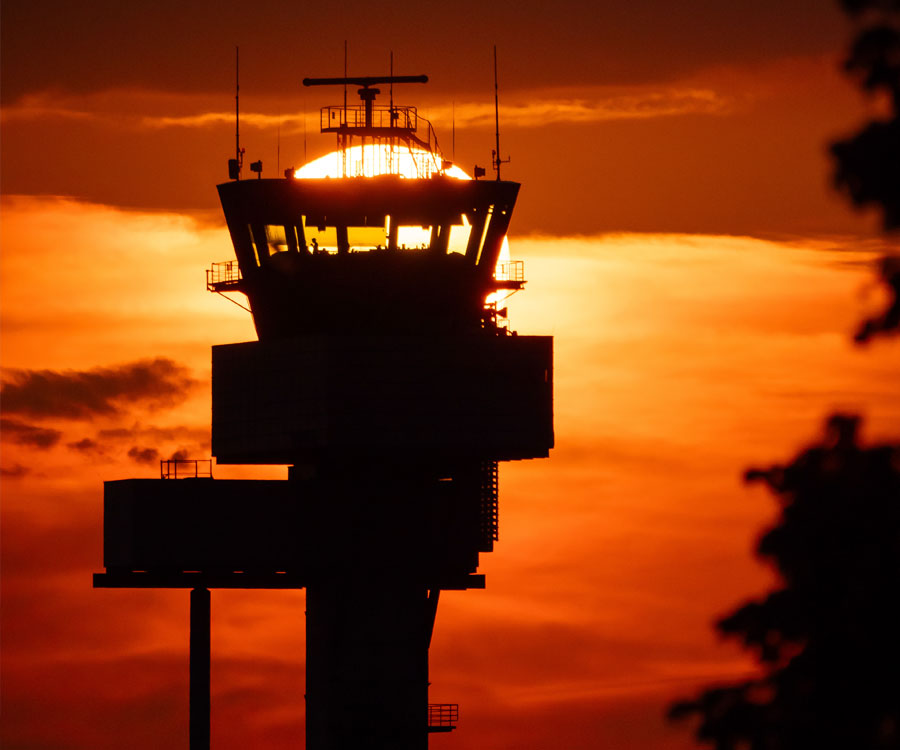
At Leipzig Halle Airport (EDDP), DFS ensures safe and efficient handling of air traffic in two ways. Firstly, DFS operates a classic control tower, from which 30 air traffic controllers monitor over 90,000 flight movements per year.
Secondly, there is a ground building that offers a genuine innovation: the Remote Tower Control (RTC) Centre. From the RTC Centre, we control Saarbrücken and Erfurt Weimar airports remotely.
This involves use of high-resolution cameras, sensors and a variety of technical aids for monitoring aircraft movements. The real-time transmission of image and sensor data to the RTC Centre enables the same precision and control as in a conventional tower.
A nice place to live
Alongside state-of-the-art air traffic control, the two closely linked cities of Leipzig and Halle offer an impressive mix of history, culture and innovation. In Leipzig Halle, high-tech innovations meet cultural treasures and historical sights, creating an exciting combination for technology and culture lovers alike. Thanks to a wealth of cultural highlights, the area offers a good mix of technological progress and living history.
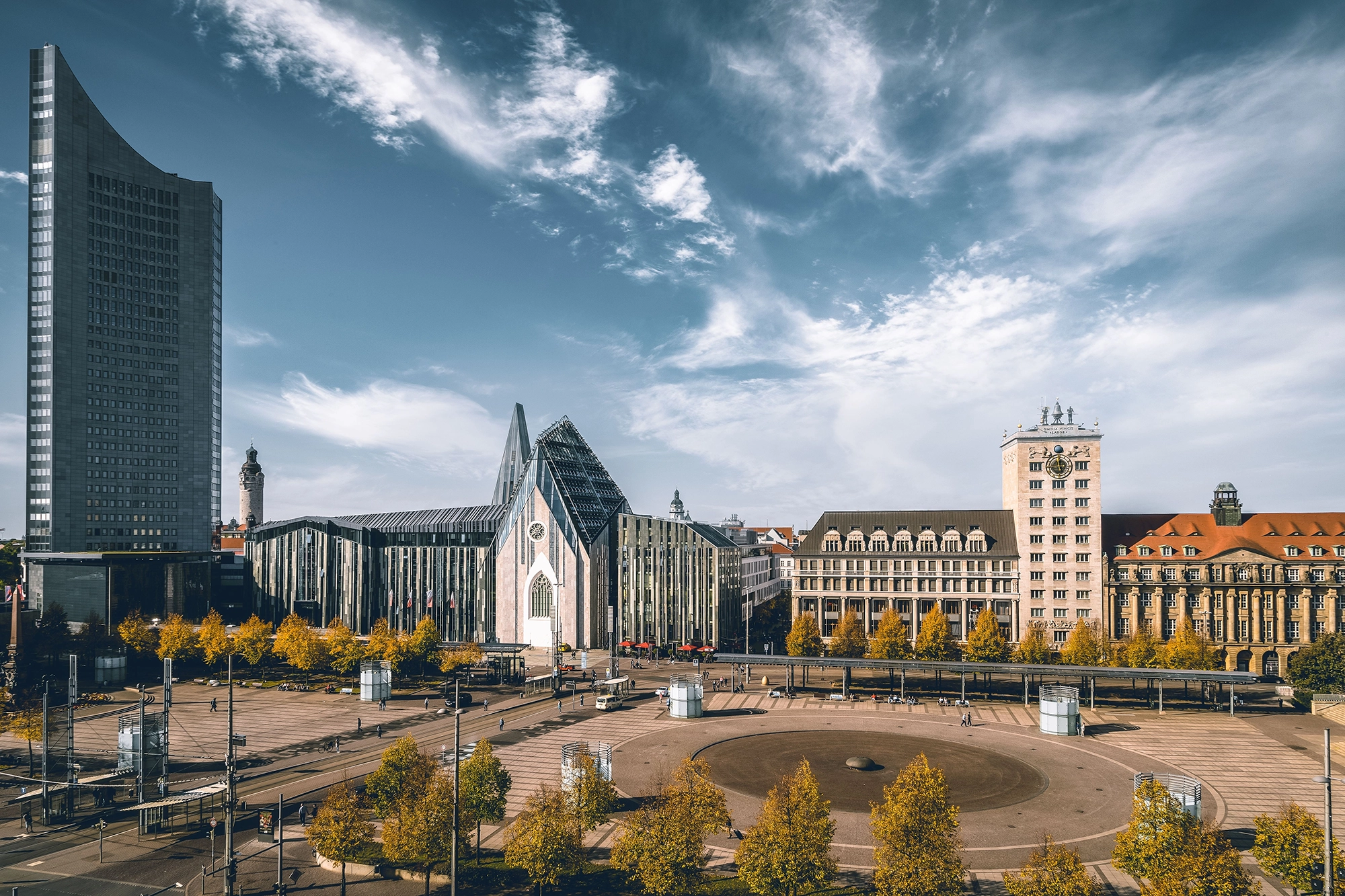
Leipzig is known for its dynamic cultural scene, the renowned Leipzig Book Fair (Leipziger Buchmesse) and its creative start-up landscape. The city combines historical buildings, such as the St. Thomas School (Thomasschule) and the Old Stock Exchange (Alte Handelsbörse), with modern projects and offers numerous green areas such as the Clara Zetkin Park that provide space for recreation and activities.
Halle, just a short train journey away, has a more relaxed charm and is characterised by its historic Old Town with the Marktkirche church and Moritzburg castle. It is also home to the oldest chocolate factory in Germany, the Halloren Chocolate Factory (Halloren Schokoladenfabrik), which produces the famous Halloren Balls.
Munich
With its area control centre (ACC) and the tower, DFS is an important hub for monitoring the airspace at Munich Airport.
At the ACC Munich, some 350 air traffic controllers keep a close eye on air traffic up to an altitude of around nine kilometres. The monitored airspace extends from Lake Constance (Bodensee) in the west to the Czech border in the east, as well as from Leipzig to the Brenner Pass. Approaches to and departures from the airports in Munich, Memmingen, Nürnberg, Leipzig, Erfurt and Dresden are also coordinated from Munich. Every year, the air traffic controllers working here control around 860,000 aircraft movements, thereby making a significant contribution to the safety and efficiency of air traffic in this region.
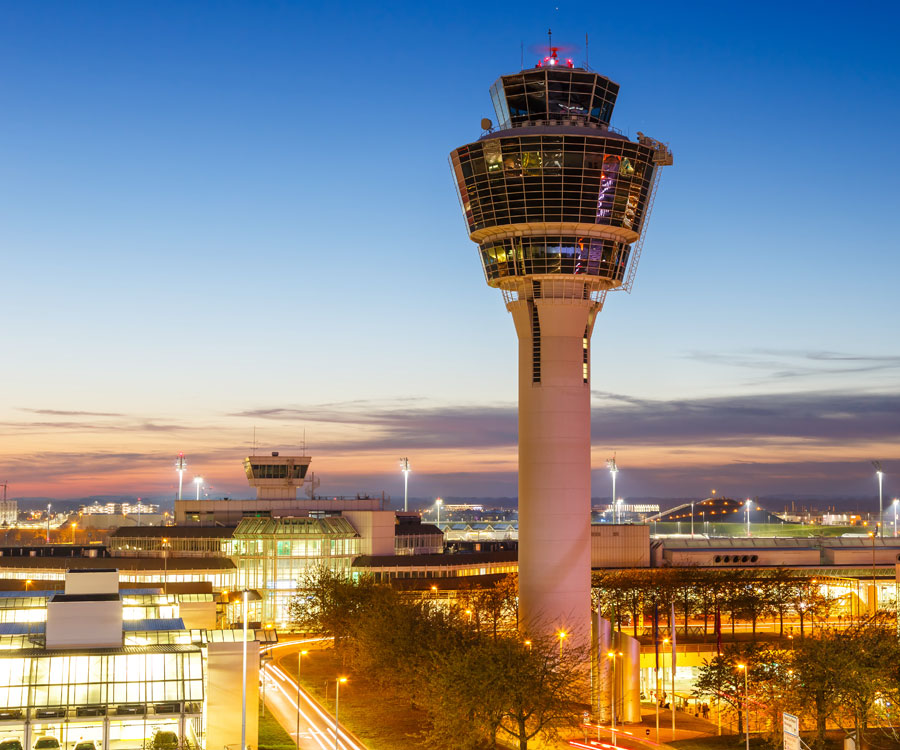
The tower at Munich Airport was opened in 1992. Some 46 controllers work here, monitoring around 290,000 aircraft movements every year. The tower is not only technically sophisticated, but also home to nature – as it is a favourite nesting place for kestrels.
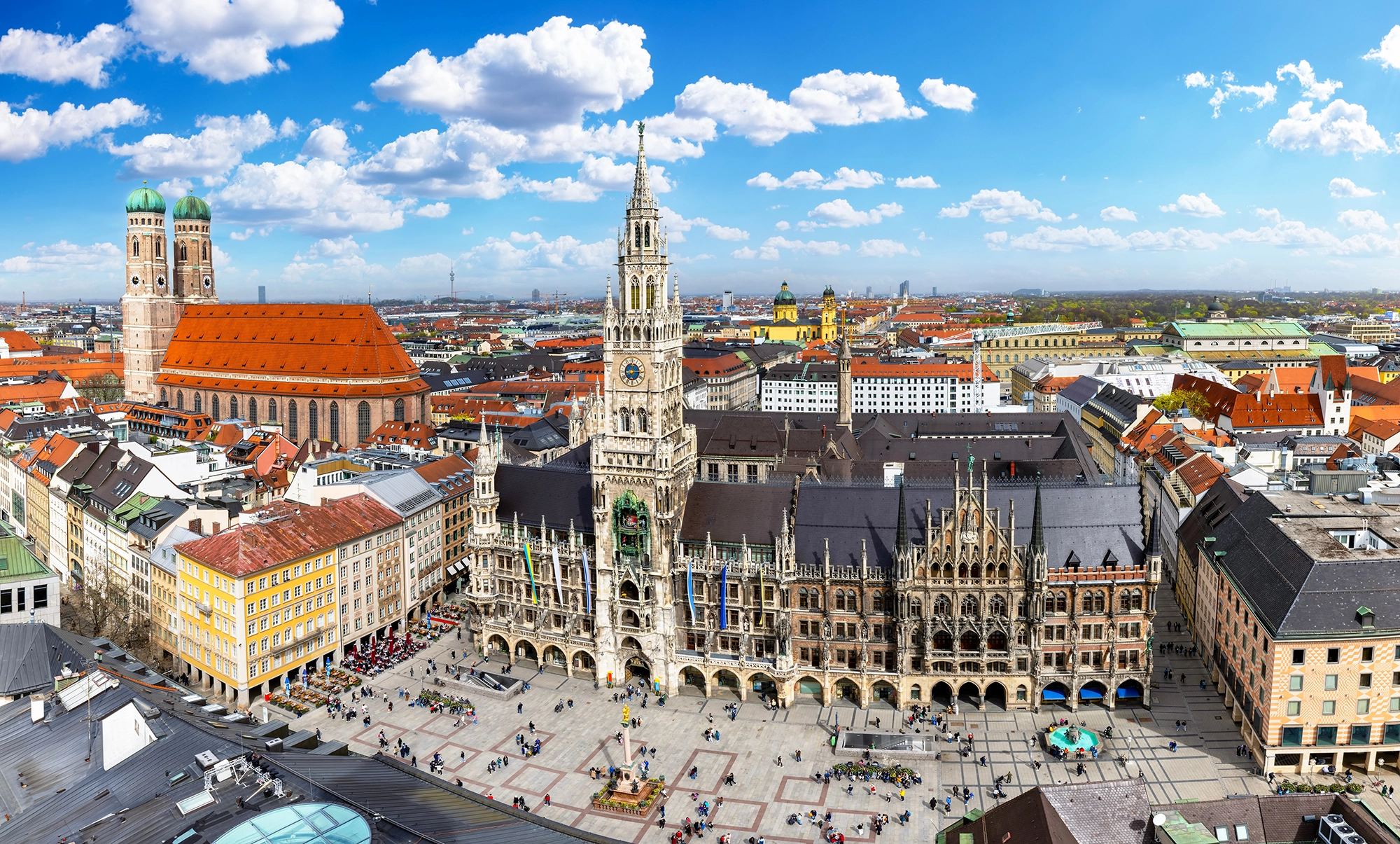
A nice place to live
In terms of lifestyle, the Bavarian capital is sometimes jokingly referred to as the most northerly Italian city. With the Alps on its doorstep, the English Garden in the heart of the city and the river Isar, which meanders idyllically through the centre, Munich is a paradise for nature and sports lovers.
The city is also famous the world over for its Oktoberfest. Yet the cultural scene in Munich is equally impressive. From first-class museums and theatres, all the way up to music festivals and galleries – the city has something for everyone. And if you enjoy indulging in culinary delights, you will definitely not be disappointed in Munich.
The city is also an ideal place for families to live and offers a large number of high-quality schools and kindergartens. Public transport is also reliable and safe, so you can travel around the city in comfort. Thanks to the various leisure activities on offer, such as a visit to Hellabrunn Zoo (Tierpark Hellabrunn) or the Deutsches Museum with its interactive exhibitions, there is never a dull moment.
Münster Osnabrück
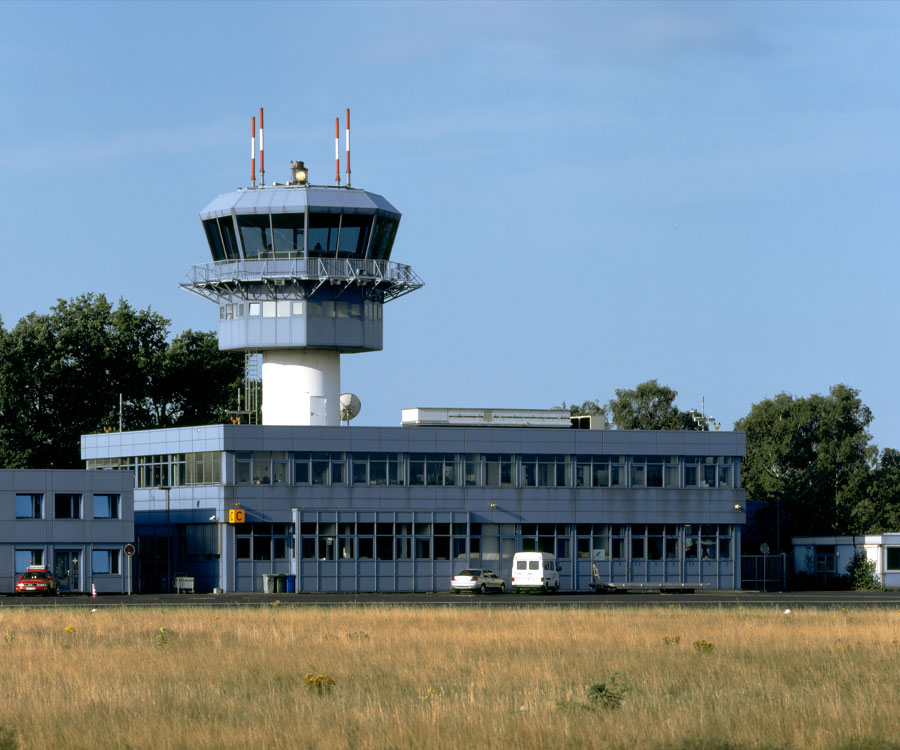
At Airportallee 1, DFS ensures the safety and coordination of air traffic at Münster Osnabrück Airport (ICAO code: EDDG). Every day, we monitor around 300 aircraft movements, with a total of around 40,000 take-offs and landings per year under instrument flight rules (IFR) and visual flight rules (VFR).
The tower rises to a height of around 24 metres above the airport and offers an ideal overview of the entire airport grounds. Here, 14 air traffic controllers work in shifts to ensure that every movement in the sky and on the ground is coordinated and handled safely.
A nice place to live
Münster and Osnabrück are two remarkable cities in the west of Germany. They combine a rich history with a modern lifestyle, and a pinch of charm.
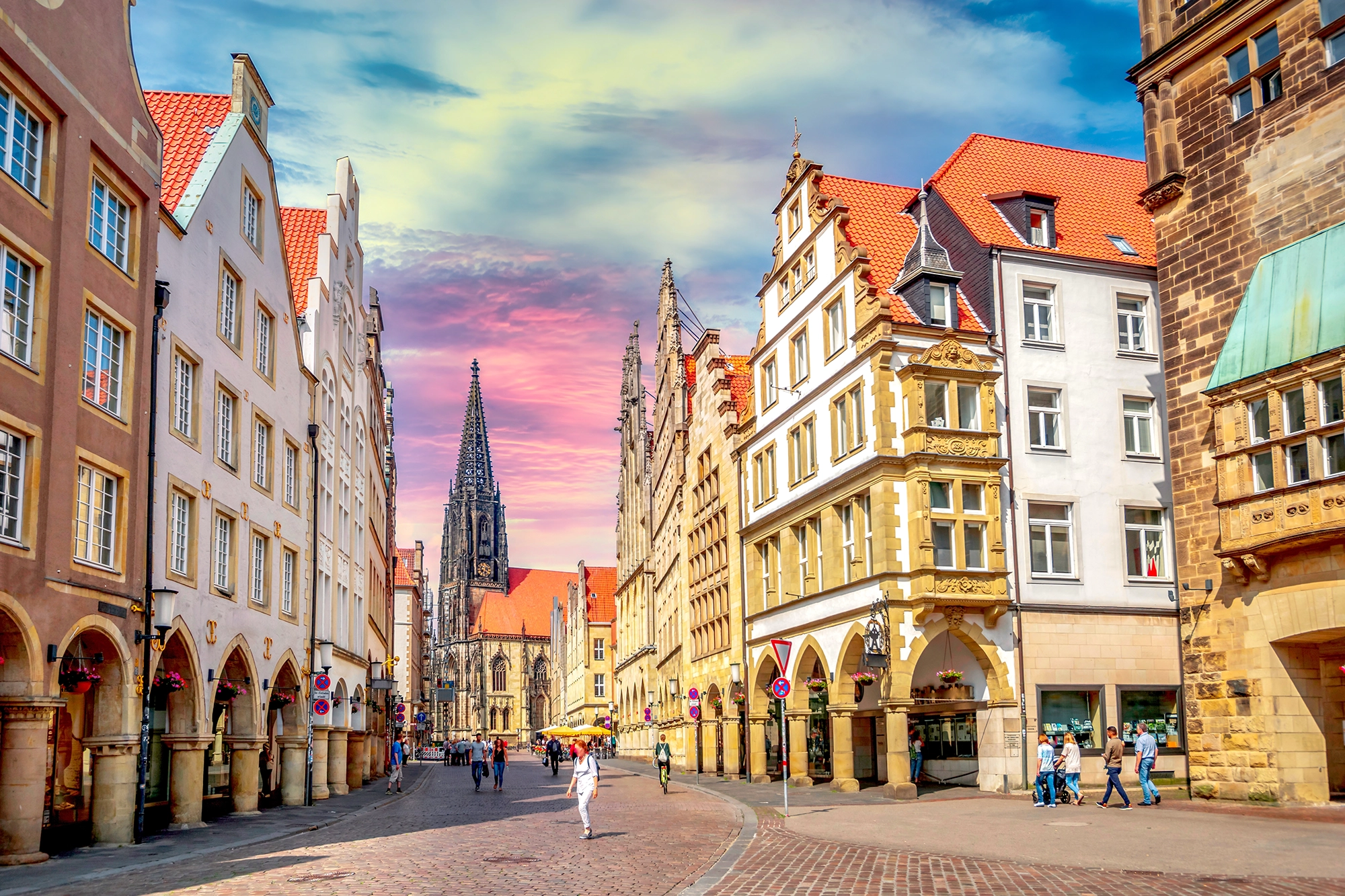
Münster, the self-proclaimed cycling city, has taken cycling to a new level with an estimated 500,000 bicycles for its almost 315,000 residents. The vibrant city, which is also known as an academic centre due to its large university, is full of energy and creativity thanks to its lively student life. The historic Old Town, the Prinzipalmarkt marketplace with its magnificent gabled houses and the imposing cathedral are not only architectural highlights, but also provide an impressive backdrop to enjoy a relaxed coffee or two in the market square. Those looking for peace and quiet will find precisely this in the numerous parks and at Lake Aasee.
Osnabrück offers a quiet, yet by no means less interesting atmosphere. It made European history with the Peace of Westphalia treaties in 1648. Surrounded by the TERRA.vita UNESCO Global Geopark, Osnabrück is the only major German city located in the middle of a nature park – making it the perfect spot for a quick escape into nature when city life gets too hectic. Boasting a lively art and cultural scene, charming cafés and numerous leisure activities, Osnabrück offers a multifaceted mix of past and present.
Nürnberg
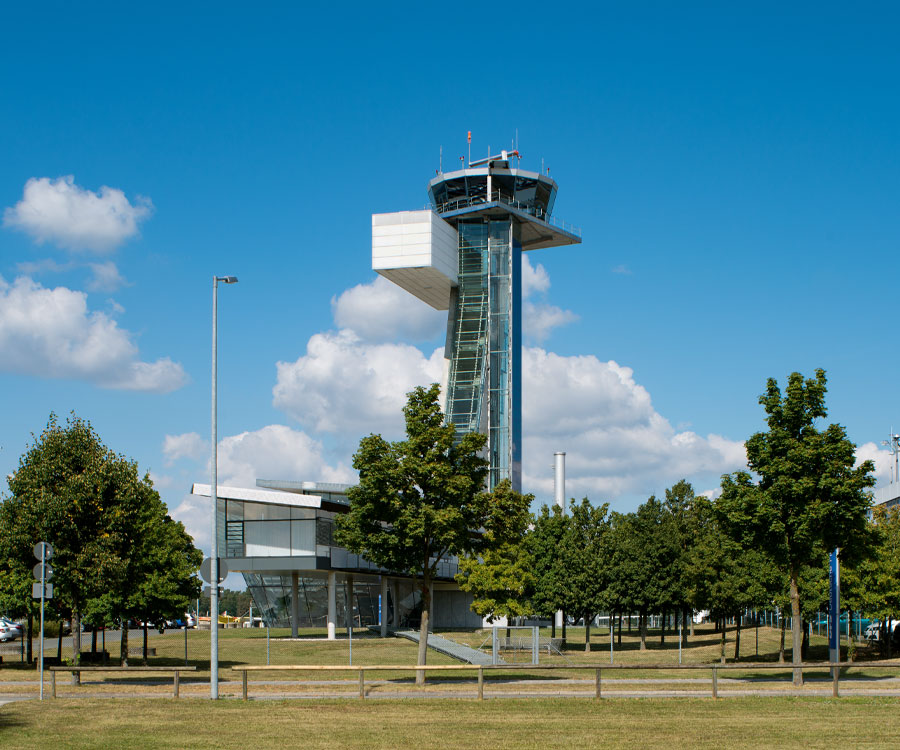
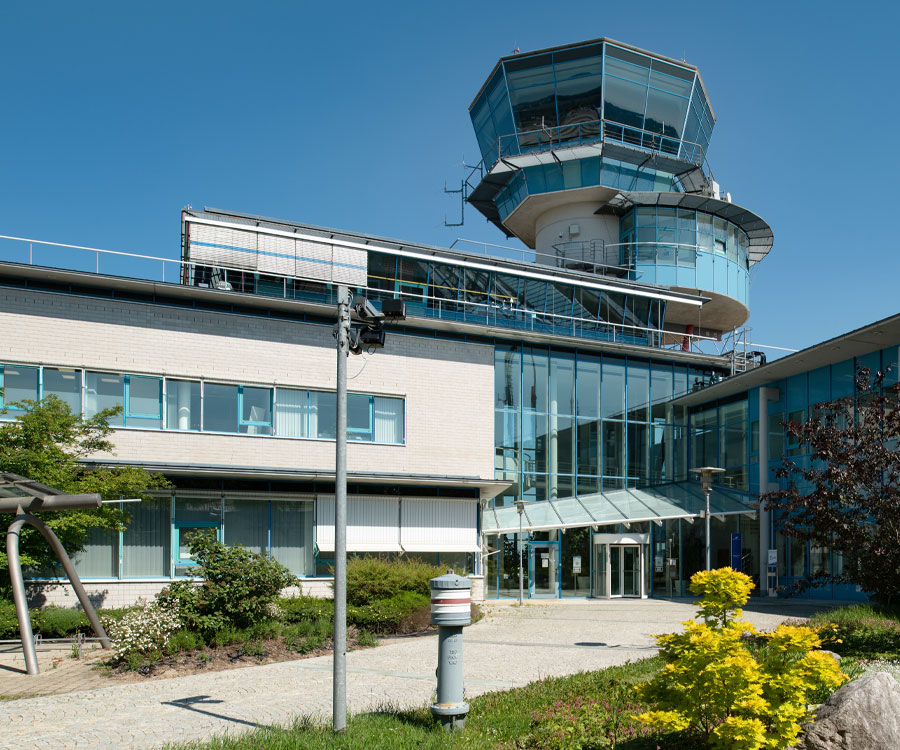
DFS operates the control tower at Nürnberg Airport. The 47-metre-high tower, located directly on the airport grounds, is equipped with advanced technology to monitor air traffic efficiently.
Some 20 air traffic controllers manage the airspace up to an altitude of around 7,500 feet. Since the tower was built, more than 1.6 million take-off and landing clearances have been issued, helping up to four million passengers arrive safely at their destinations every year.
A nice place to live
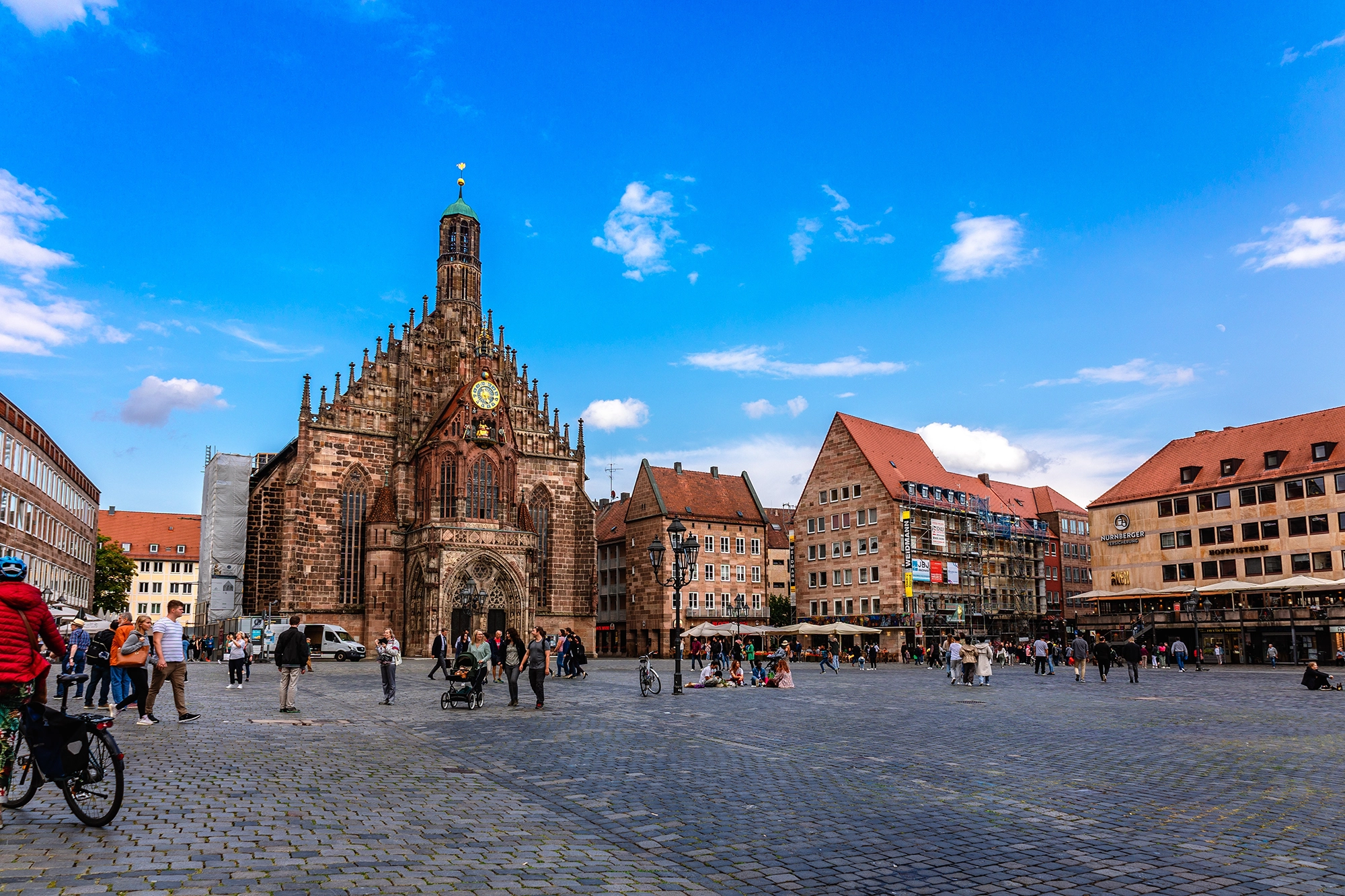
Nürnberg lies in the heart of the Franconian region and offers a fascinating combination of historical splendour and modern life. The city is known for its impressive Old Town, which is surrounded by medieval city walls and towers. The majestic Imperial Castle of Nürnberg (Kaiserburg), which towers over the city, is a reminder of the city's role as the seat of the Holy Roman Emperors. An important son of the city is Albrecht Dürer, the famous painter whose works are honoured in the Albrecht Dürer House.
Yet Nürnberg is not all about history, as it is also a vibrant city. With its narrow alleyways, historic buildings and cosy cafés, the Old Town is the perfect place to take a stroll. The Nürnberg Christmas Market, one of the most famous Christmas markets in Germany, attracts millions of visitors every year and delights with its festive atmosphere and hand-crafted products.
Stuttgart
At Stuttgart Airport, a team of 24 air traffic controllers ensures the safe handling of air traffic.
Their workplace is located in a tower 25 metres above the ground on the southern outskirts of Bernhausen, making it the only DFS control tower not located directly on the airport grounds.
Around 93,000 IFR and VFR movements are monitored here every day. A well-practised team of 3 coordinates up to 45 aircraft per hour to ensure smooth operations.
A nice place to live
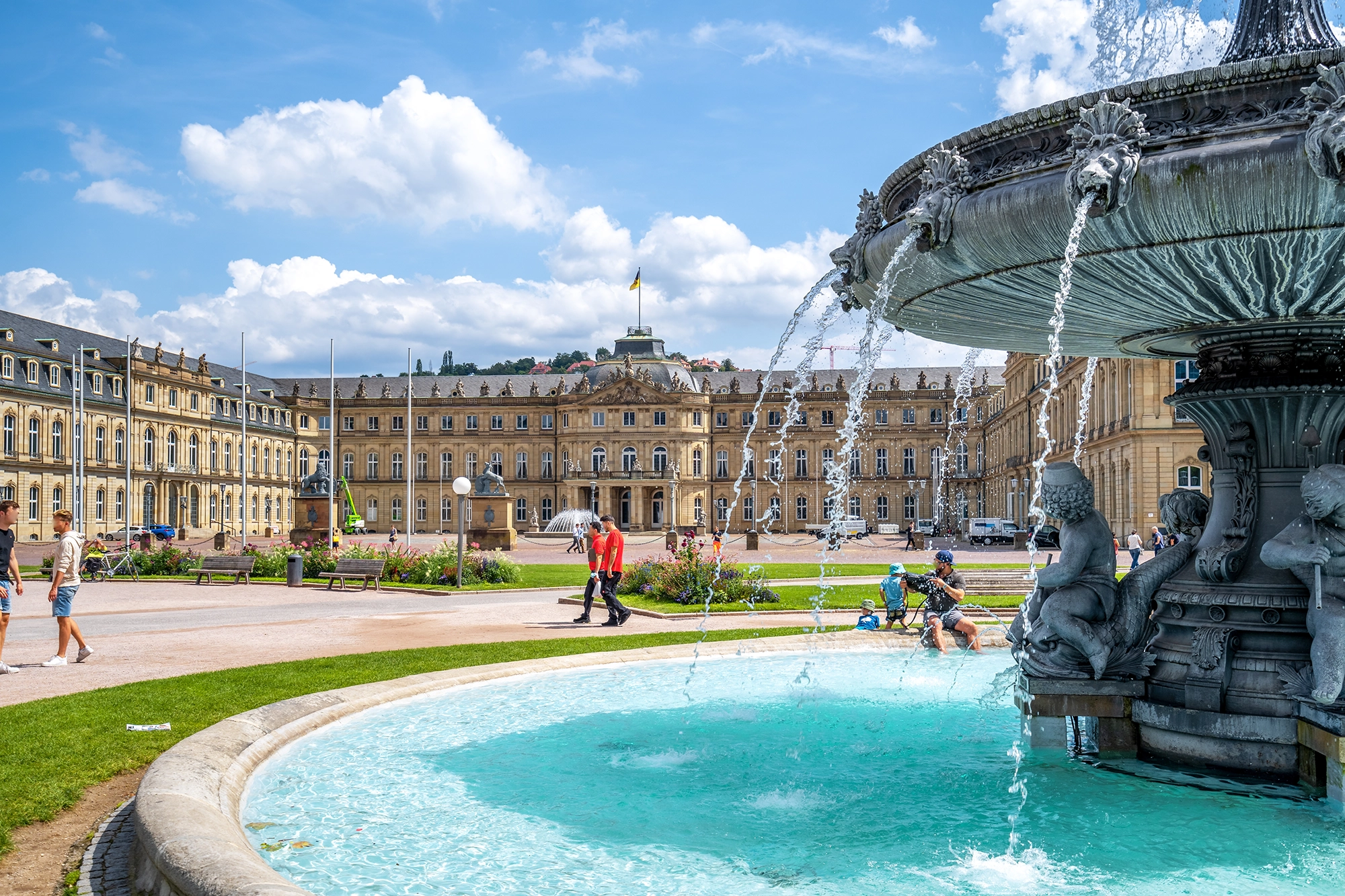
Stuttgart, the state capital of Baden-Württemberg, offers a fascinating combination of traditional charm, urban life and green recreational spaces. These include the Palace Garden (Schlossgarten), which extends into the city centre, as well as the surrounding vineyards.
The city is an important centre for the automotive industry and also has a great deal to offer culturally. The Staatsgalerie art museum and the New Palace (Neues Schloss) are important institutions, while the Stuttgart Opera House (Stuttgarter Oper) and Stuttgart Ballet offer first-class performances.
Another highlight in Stuttgart is the folk festival and travelling funfair held on the Cannstatter Wasen festival grounds. This event has become huge and takes place both in spring and autumn. Visitors can then look forward to fairground rides, beer tents and traditional Swabian specialities.


Setting the direction from the control centre
In our control centres, we monitor the entire German airspace, with the exception of the airports and their immediate vicinity. Well-practised teams of radar and coordination controllers always work together. The radar controller issues precise instructions to pilots, while the coordination controller remains in close contact with adjacent sectors and takes on all other coordination activities, such as those that arise from a change in routing.

A clear view of everything from the tower
Air traffic controllers in the control tower manage air traffic in the vicinity of an airport. These so-called aerodrome controllers are responsible for take-offs and landings on the runways, while ground controllers coordinate aircraft movements on the ground. Large commercial aircraft are not the only aircraft we monitor in the vicinity of an airport, however. Pilots flying under visual flight rules are also in contact with the tower.
Your future:
safety in the sky
Become part of our close-knit team
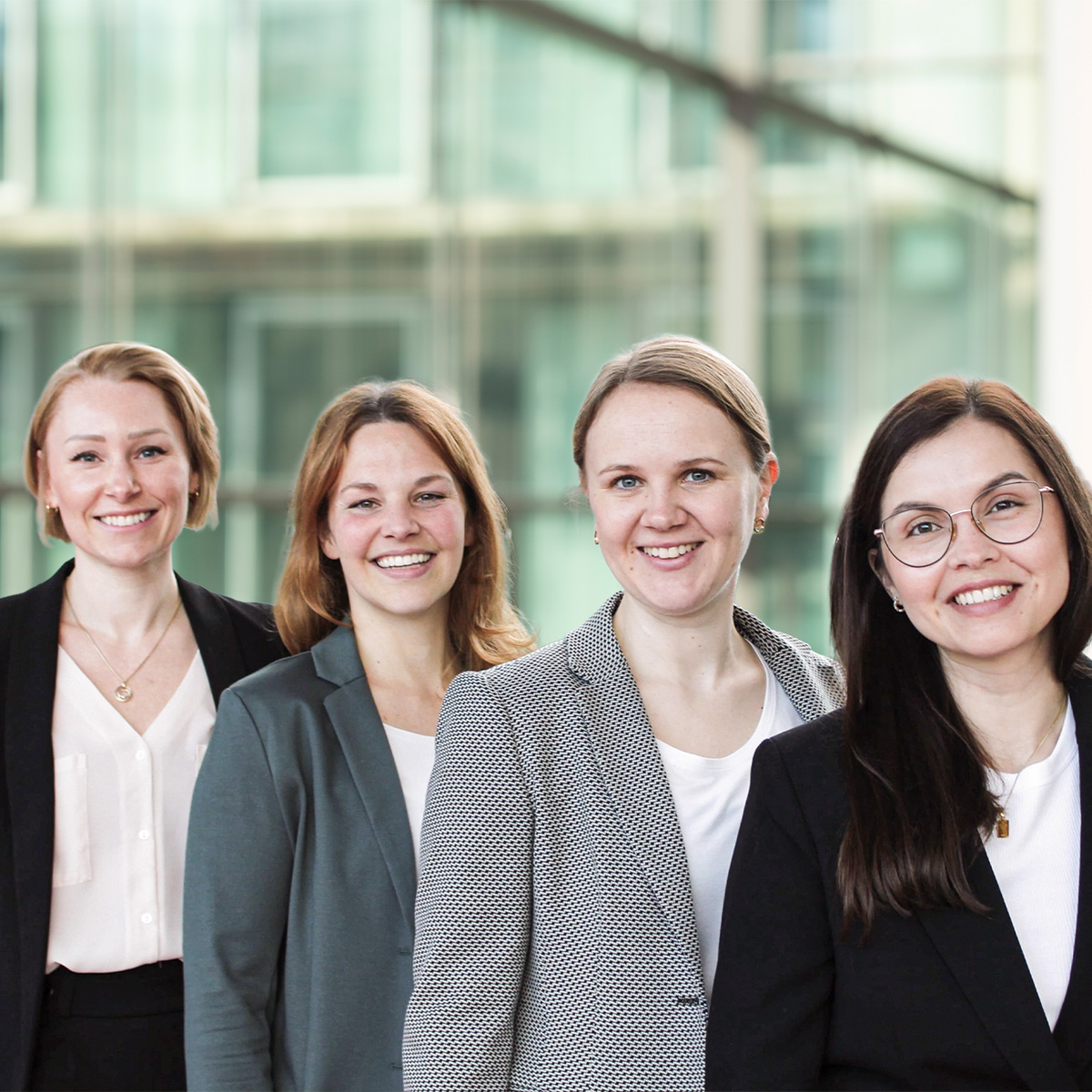
Do you have questions about DFS as an employer?
Then, simply get in touch with our careers team: