
A safer sky needs you
A day in the (work) life of an air traffic controller
Do you want a rewarding job where no two days are the same? In that case, check in with us. As an air traffic controller, you ensure safety in the skies. You work hand in hand with pilots and expertly guide them to their destinations, supported by highly specialised computer systems and radar data.
At the end of the shift, you know what a difference you have made. And your work is really done when your shift ends because you cannot take your work home with you when you work in a control centre or control tower. Find out more about the varied everyday life in air navigation services here.

A day as an air traffic controller with Tomatolix (in German)


Fascinating facts about our work

Setting the direction from the control centre
In our control centres, we monitor the entire German airspace, with the exception of the airports and their immediate vicinity. Well-practised teams of radar and coordination controllers always work together. The radar controller issues precise instructions to pilots, while the coordination controller remains in close contact with adjacent sectors and takes on all other coordination activities, such as those that arise from a change in routing.

A clear view of everything from the tower
Air traffic controllers in the control tower manage air traffic in the vicinity of an airport. These so-called aerodrome controllers are responsible for take-offs and landings on the runways, while ground controllers coordinate aircraft movements on the ground. Large commercial aircraft are not the only aircraft we monitor in the vicinity of an airport, however. Pilots flying under visual flight rules are also in contact with the tower.
This is what our day-to-day work looks like

Damaris and Felix report on their day-to-day work at the Langen control centre at our Recruiting Day.
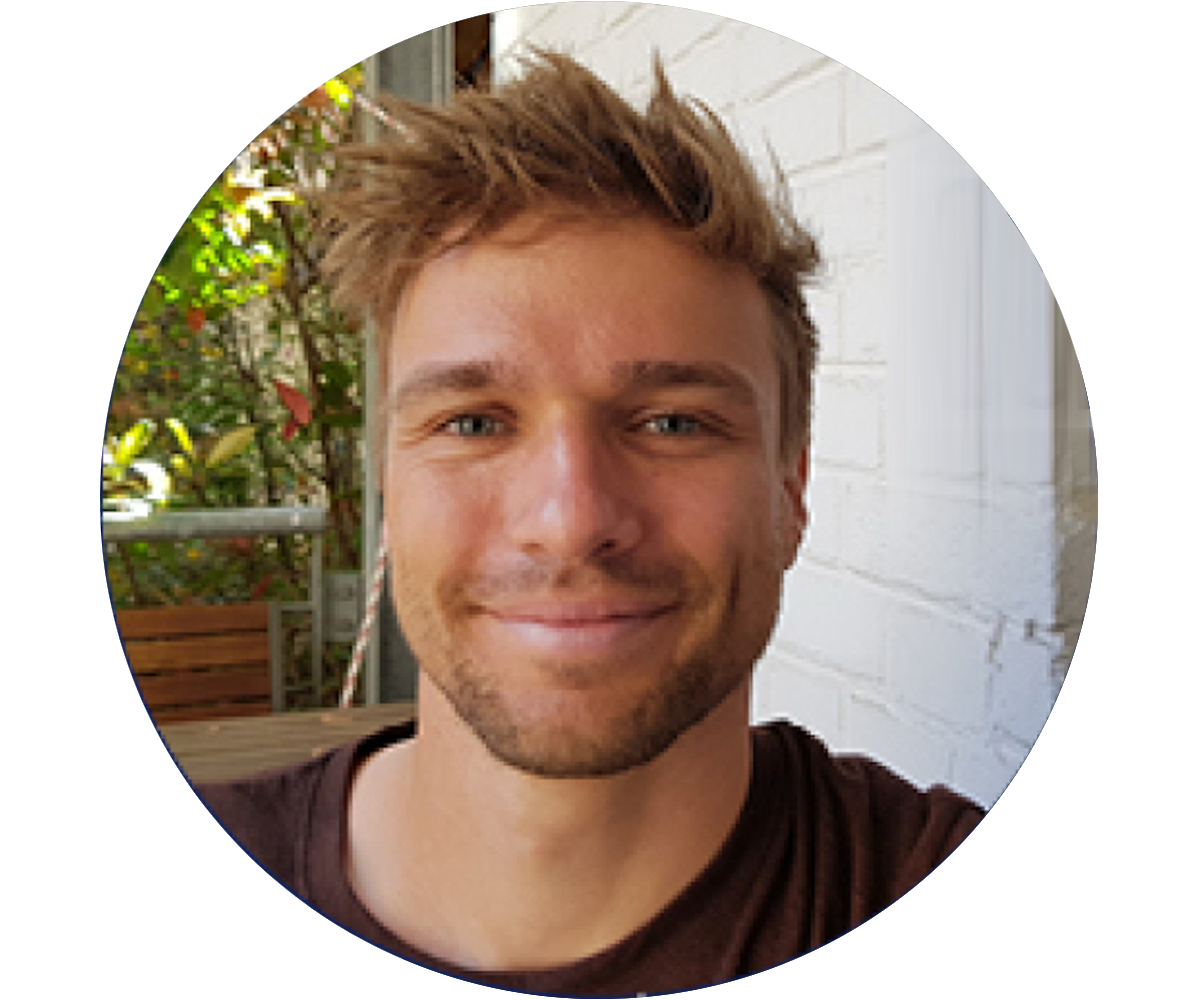
Simon, area controller
13:30 – Off to work
-
20-minute commute by bike
13:50 – Arrive at DFS
-
Get the headset (and currently the computer mouse) from my locker.
-
Check break schedule for possible briefings or which colleague is to be relieved.
14:00 – Team briefing
-
Supervisor/COS inform us about current safety-related occurrences (such as system errors/potential hazards), work-related developments (new regulations/rules), job advertisements, special tasks, prospects.
-
Possibly topic-specific guest speakers from the Safety Office, the German Armed Forces, etc.
14:30 – End of briefing
-
Relieve colleague in the OPS room after a short bilateral briefing: Start of work
16:00 – Start of break
-
My favourite way to spend a break: sitting on the terrace in the sun with an ice cream and a podcast / weekly newspaper
-
Alternatives would be the recreation room with TV / quiet room to watch a series; gym / table football for longer breaks; stretching your legs on the company grounds; particularly popular in the morning shift: power nap in the recreation room; eat a snack in the canteen.
17:00 – End of break
-
Relieve colleague in the OPS room after a short bilateral briefing.
-
Work
18:30 – Start of break
-
Plan dinner: heat up / prepare the food I brought with me
-
Alternatively, there are normally several order lists from delivery services circulating in the control room that you add your order to.
19:00 – End of break
-
Relieve colleague in the OPS room after a short bilateral briefing.
-
Work
20:15 – Start of break
-
Eagerly greet the delivery service at reception: food!
20:45 – End of break
-
Relieve colleague in the OPS room after a short bilateral briefing.
-
Work
22:00 – End of work day
-
Store the headset/mouse/cup in the locker
22:20 – Arrive at home
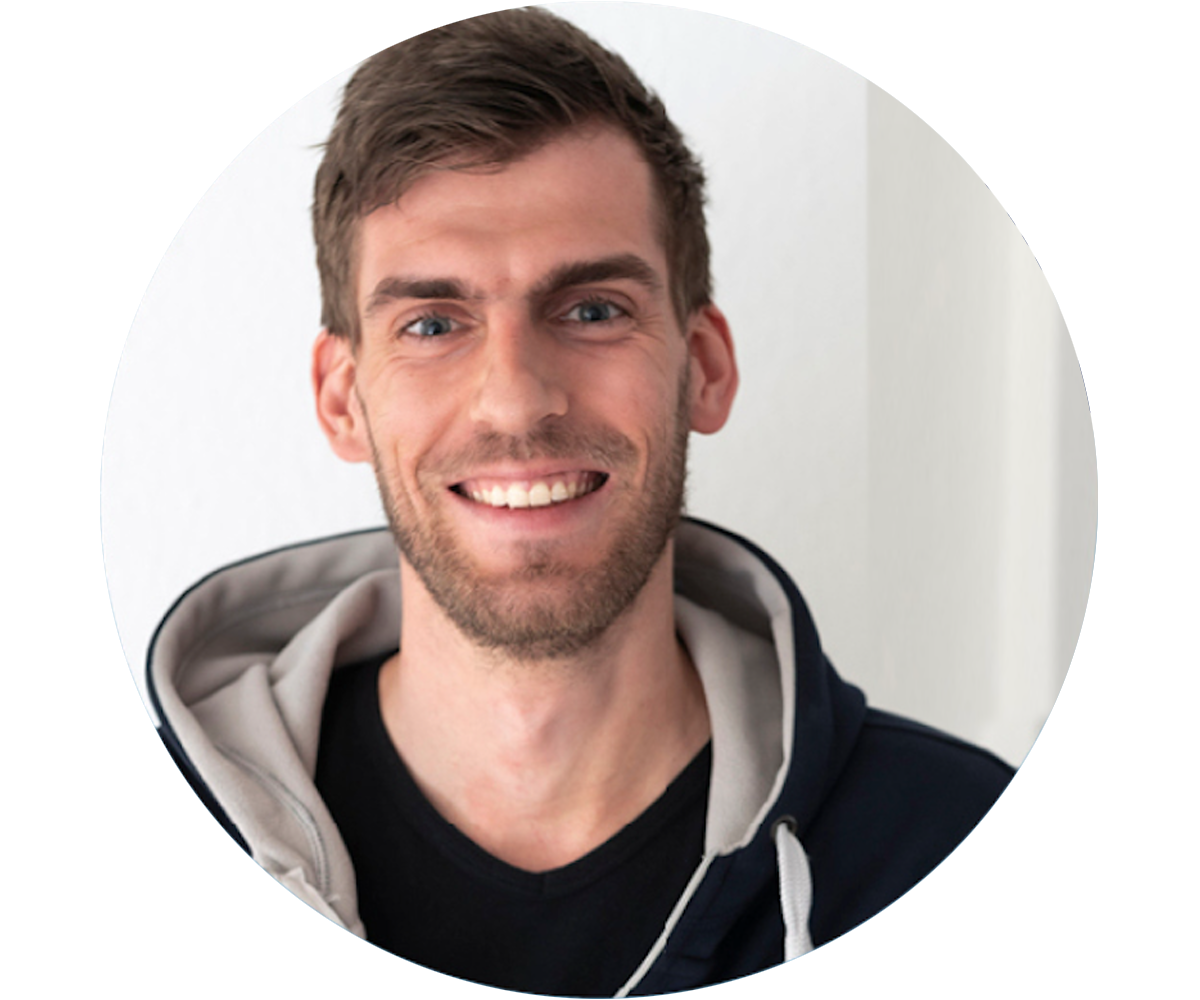
Felix, area controller
13:25 – Off to work
-
S-Bahn Frankfurt City
13:40 – Arrival at DFS
-
At the own DFS S-Bahn commuter rail stop 'Langen Flugsicherung'.
13:45 – Briefing
-
Use the electronic briefing system to keep up to date with changes to procedures, weather, etc., then getting headset and coffee cup :) out of the locker.
14:00 – Brief look at the break schedule
-
Find colleague to be relieved, taking over the radar position (radio communication with pilots) at the Paderborn Low sector, handing over covering the current traffic situation and coordinating with neighbouring sectors.
15:30 – Break
-
When the weather is good, I like to go jogging in the forest directly adjacent to the Campus, or alternatively I go to the gym.
16:30 – Relieve colleague
-
At the position of coordination controller (telephoning/coordinating with surrounding sectors) in the Hamm sector
18:00 – Break – evening meal
-
I usually have prepared food with me, which I heat up in the microwave of our small kitchen. Alternatively, our cafeteria offers 1-2 hot meals and small snacks. In addition, some colleagues always band together to order from a delivery service
18:30 – Relieve colleague
-
Work as a coordination controller in the Paderborn High sector
20:30 – Break
-
When I am not doing sports or eating, I prefer to spend my breaks in the reading room reading or watching series on my tablet. There are also two TV rooms as well as a billiard and darts room
21:00 – Relieve colleagues
-
Working as a radar controller in the Hamm sector – final spurt :)
22:00 – End of work day
-
Store cup and headset in the locker and off home
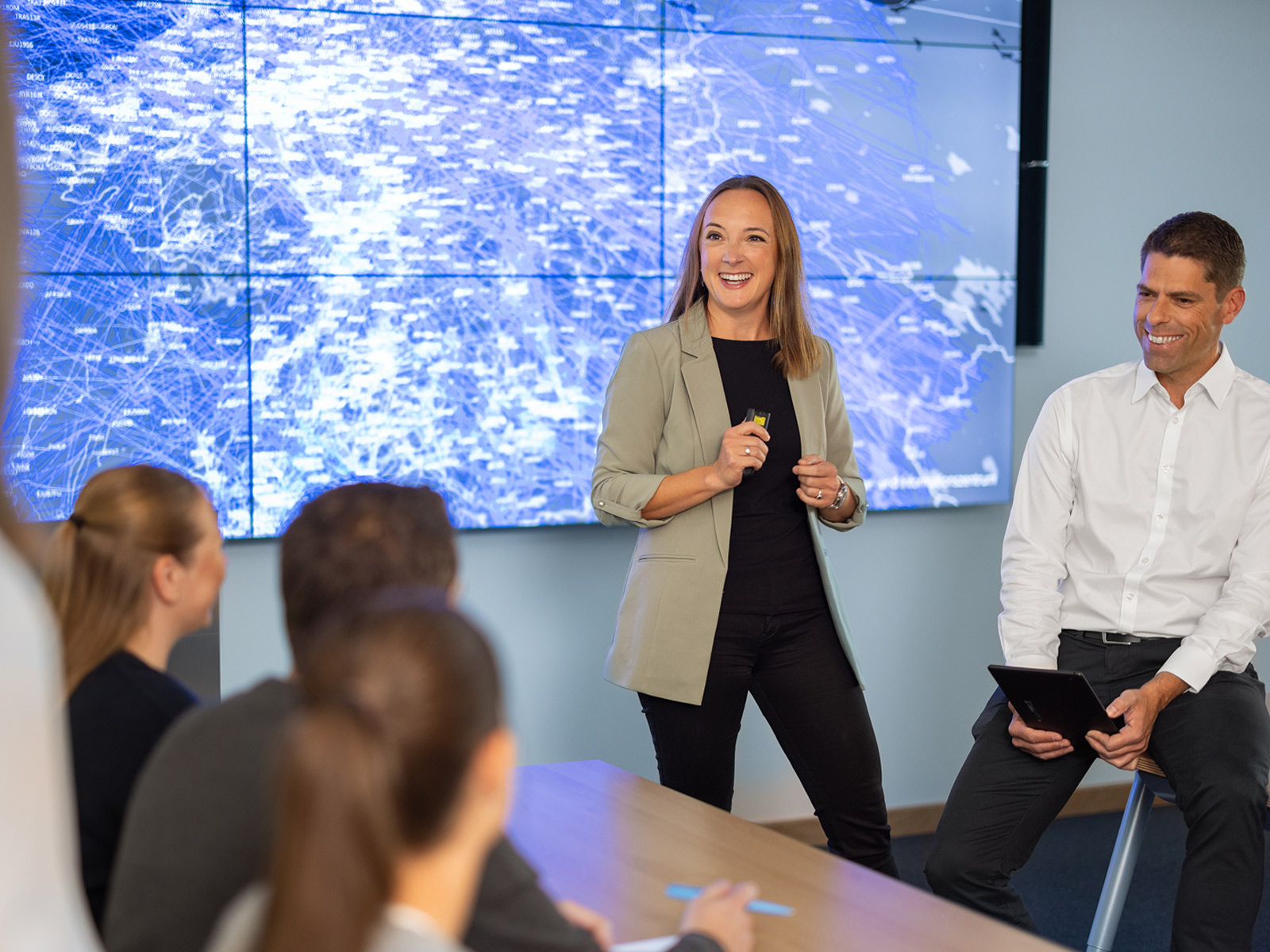

Family-like atmosphere
Guiding aeroplanes is teamwork. Everyone can rely on each other. We work together in a professional, yet relaxed, manner in a focused working atmosphere. Just like in a family, we stick together and all pull in the same direction.
My job is secure. The fact that everyone knows this also contributes to a good working atmosphere. This is because those who pass their training are given permanent contracts with career prospects for their entire working life.
From WebGames to everyday working life
You can find out for yourself just how fascinating the day-to-day work of an air traffic controller is in short games that are very close to the real work of air traffic controllers. Test your skills now and guide aeroplanes safely to their destination.
-
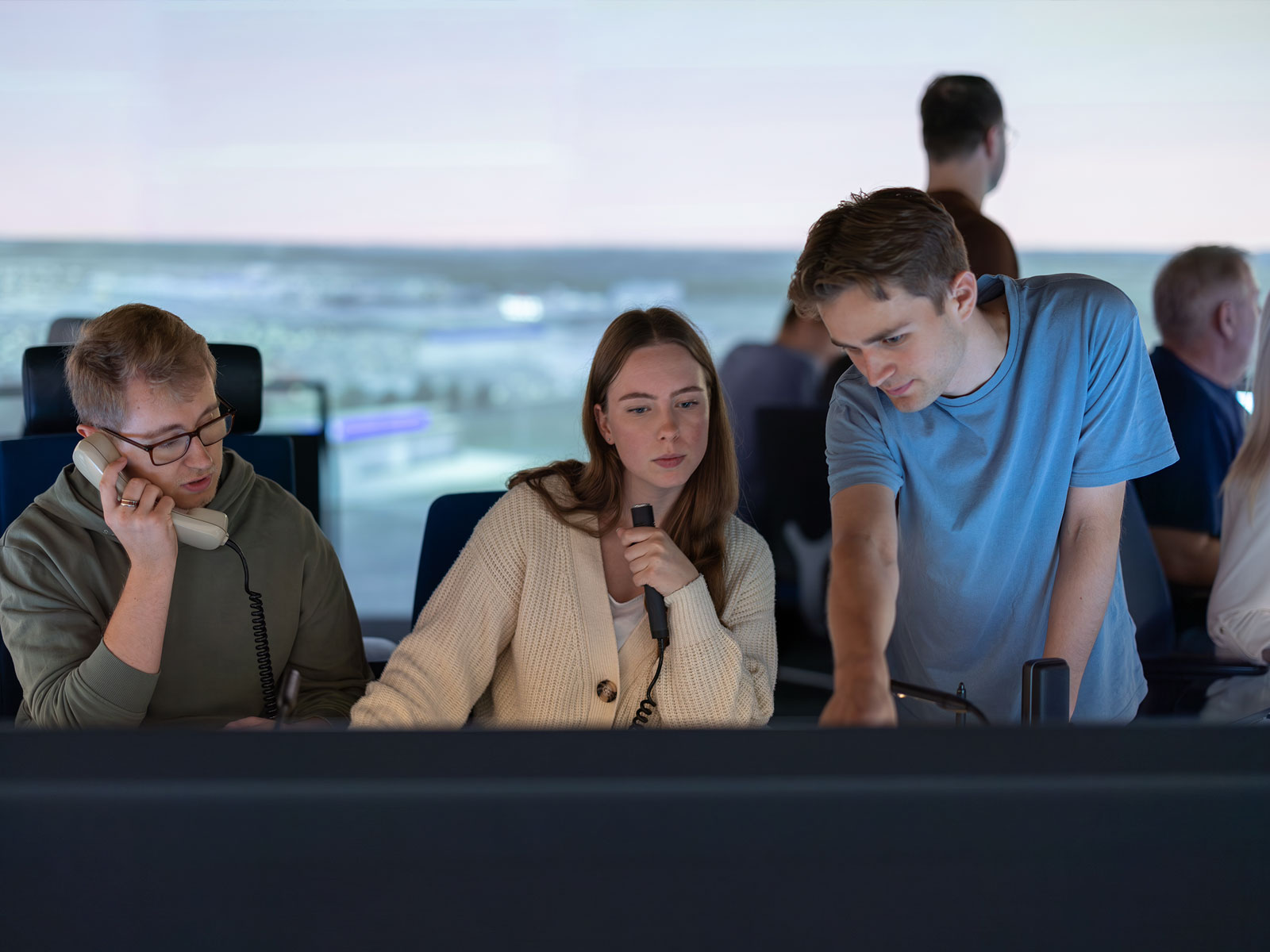
The importance of teamwork is instilled right from the training phase.
-
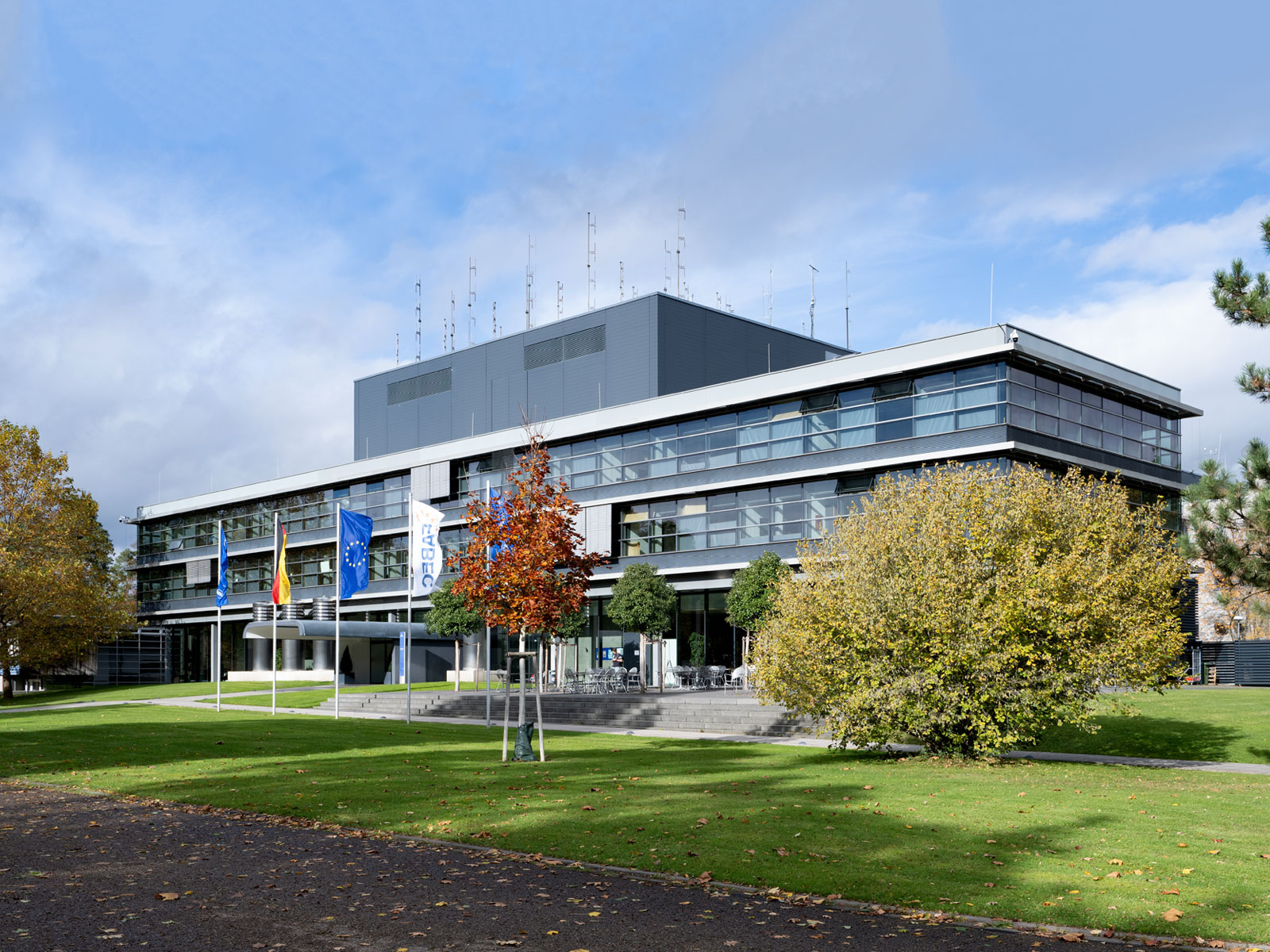
The Karlsruhe Center monitors all flights at altitudes above 7,000 metres.
-
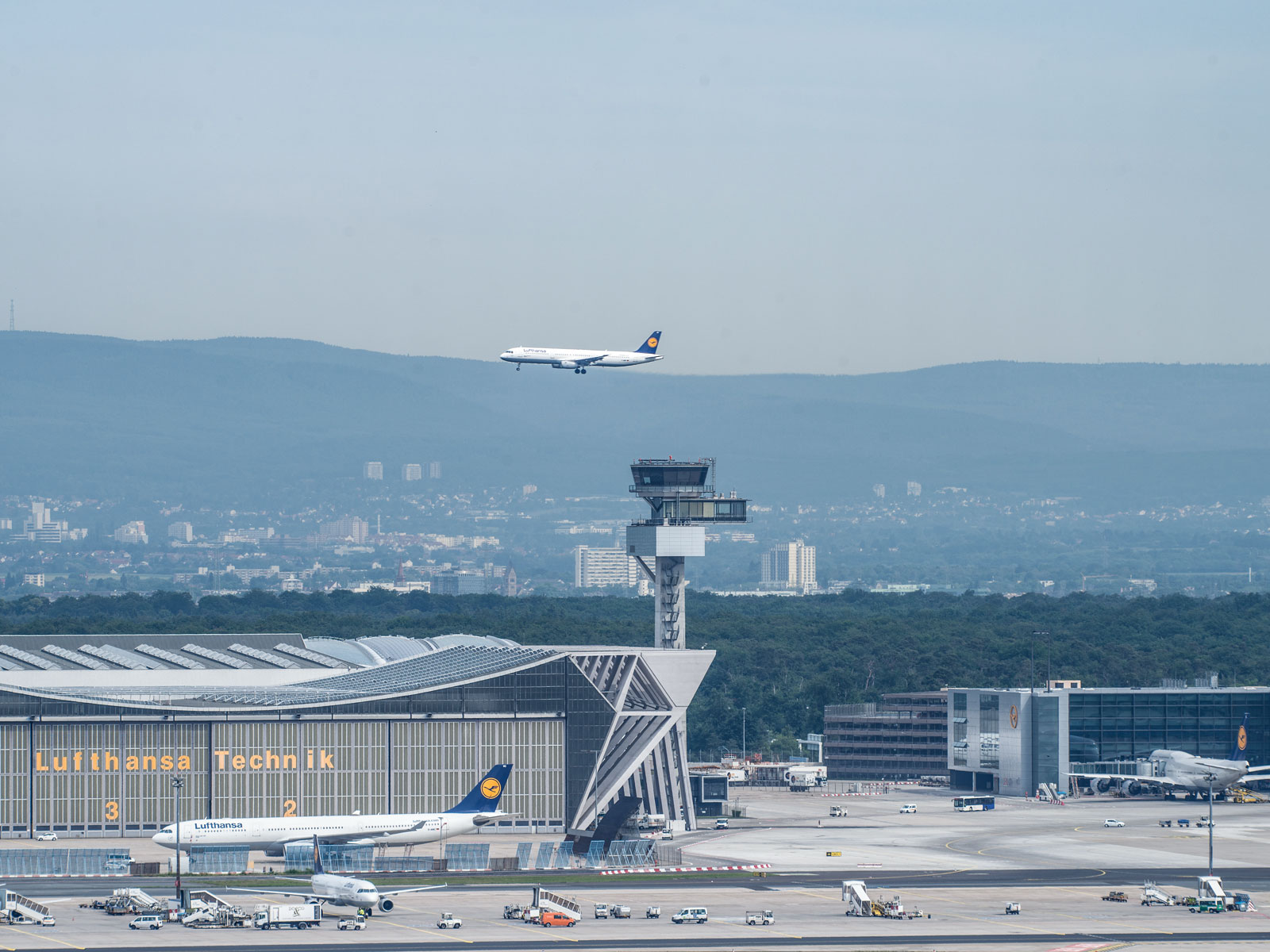
At Germany´s largest airport in Frankfurt, up to 240,000 passengers travel every day.
-
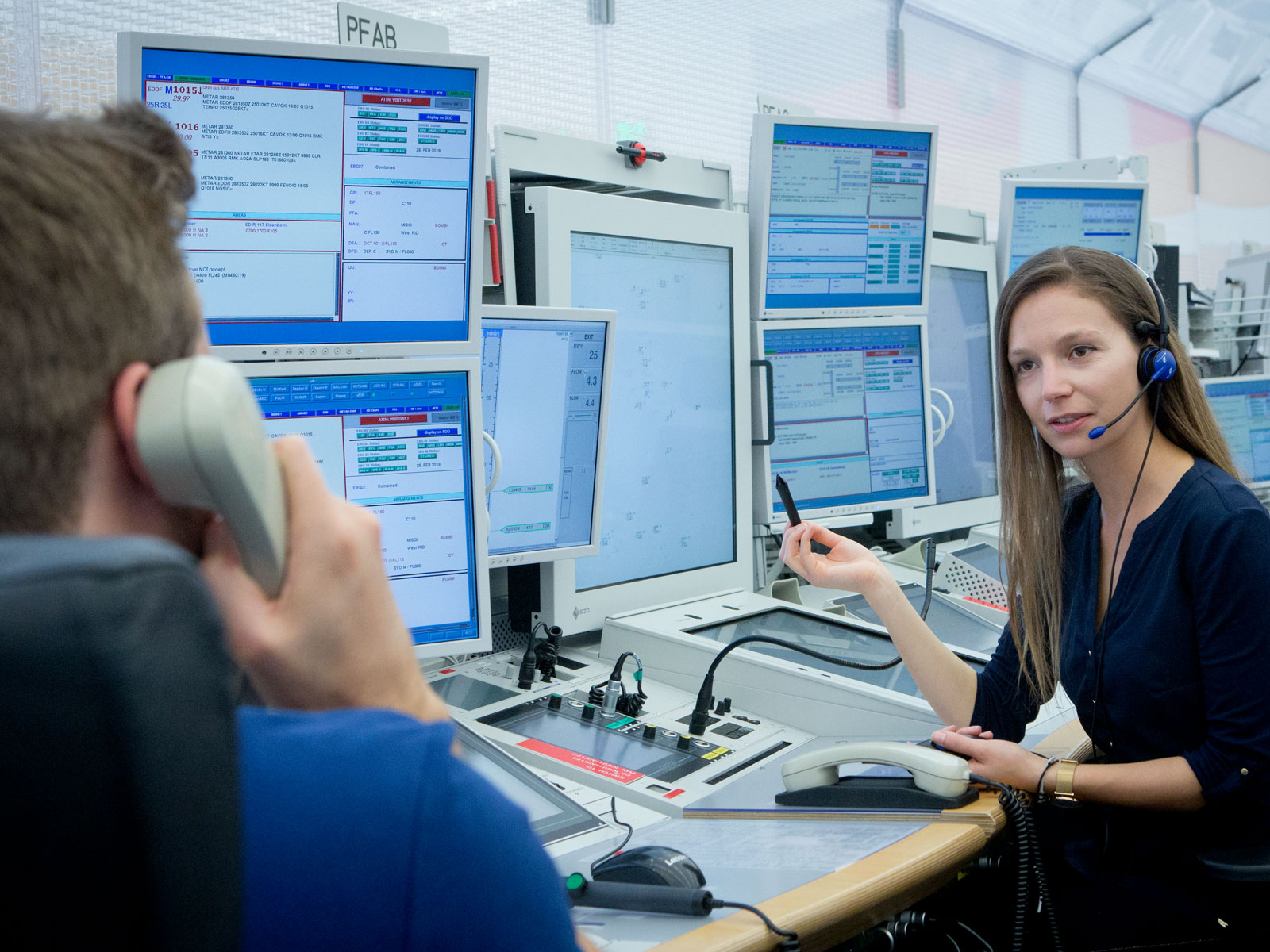
From the campus in Langen, around 600 air traffic controllers monitor the lower airspace over southwest Germany 24/7.
-
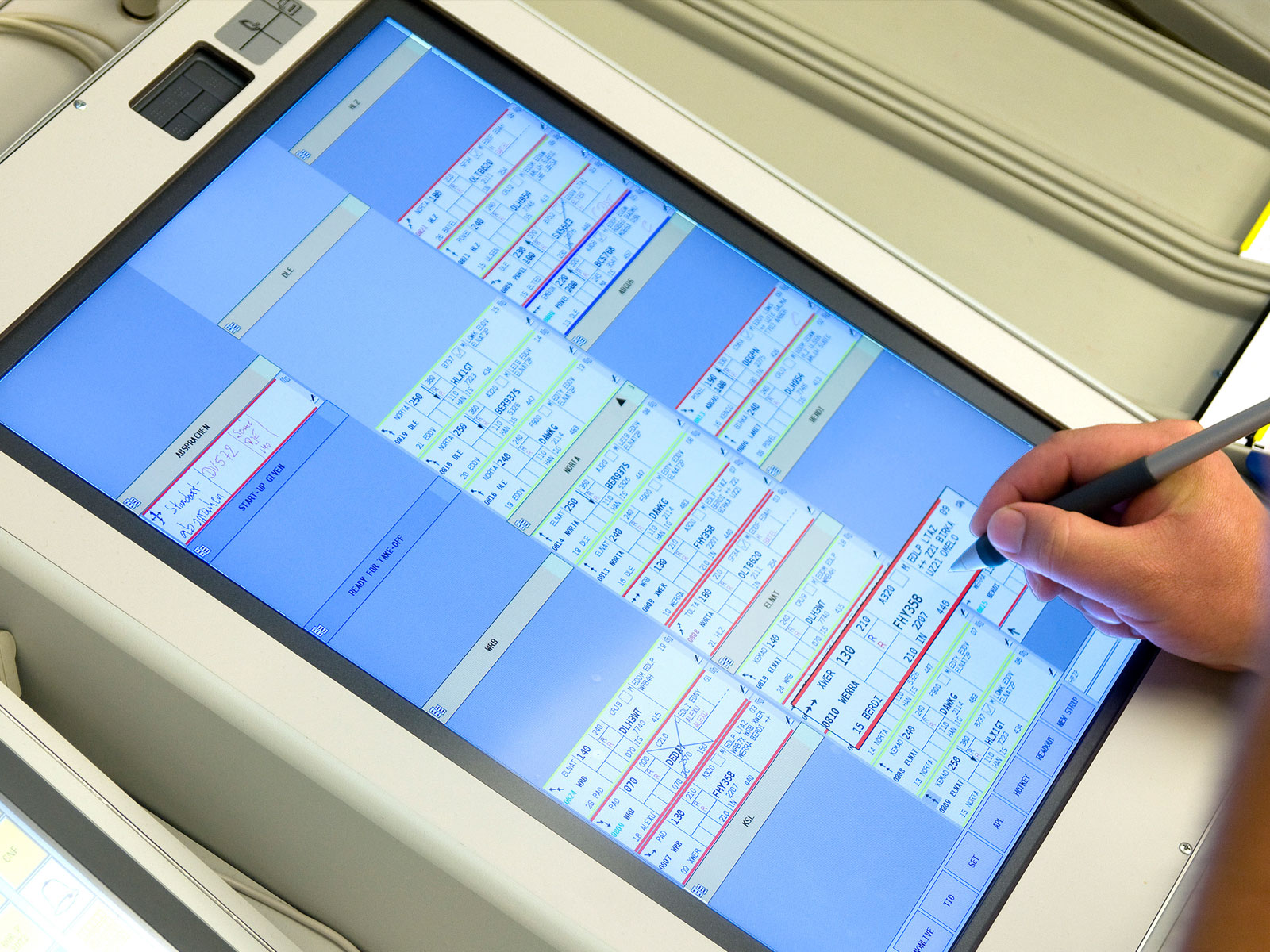
All flight data, such as aircraft type, destination, altitude and speed, are provided to our air traffic controllers via the electronic flight strip.
-
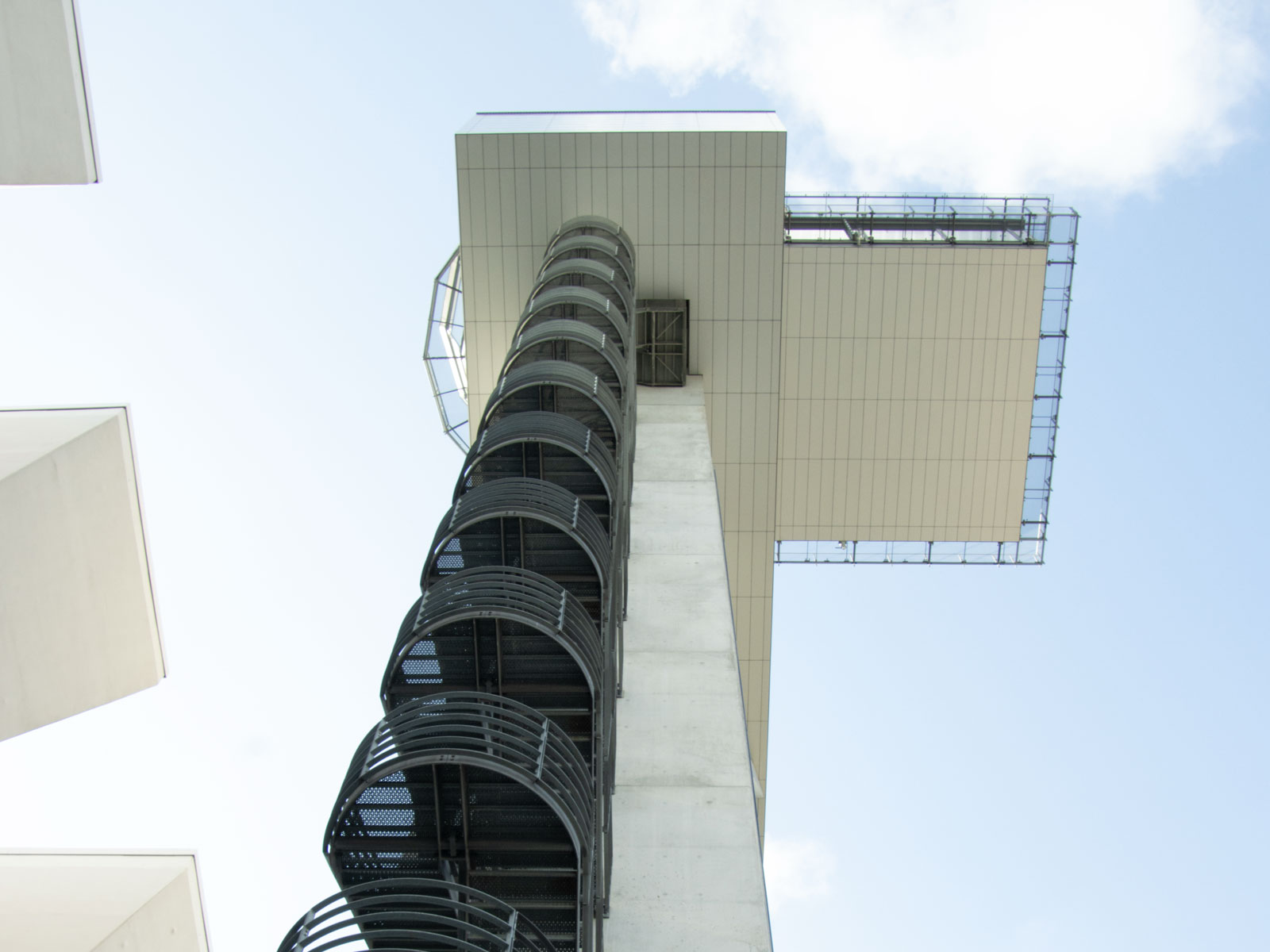
The Frankfurt Tower is 65 metres tall. After the opening of the northwest runway, a new tower became necessary.
-
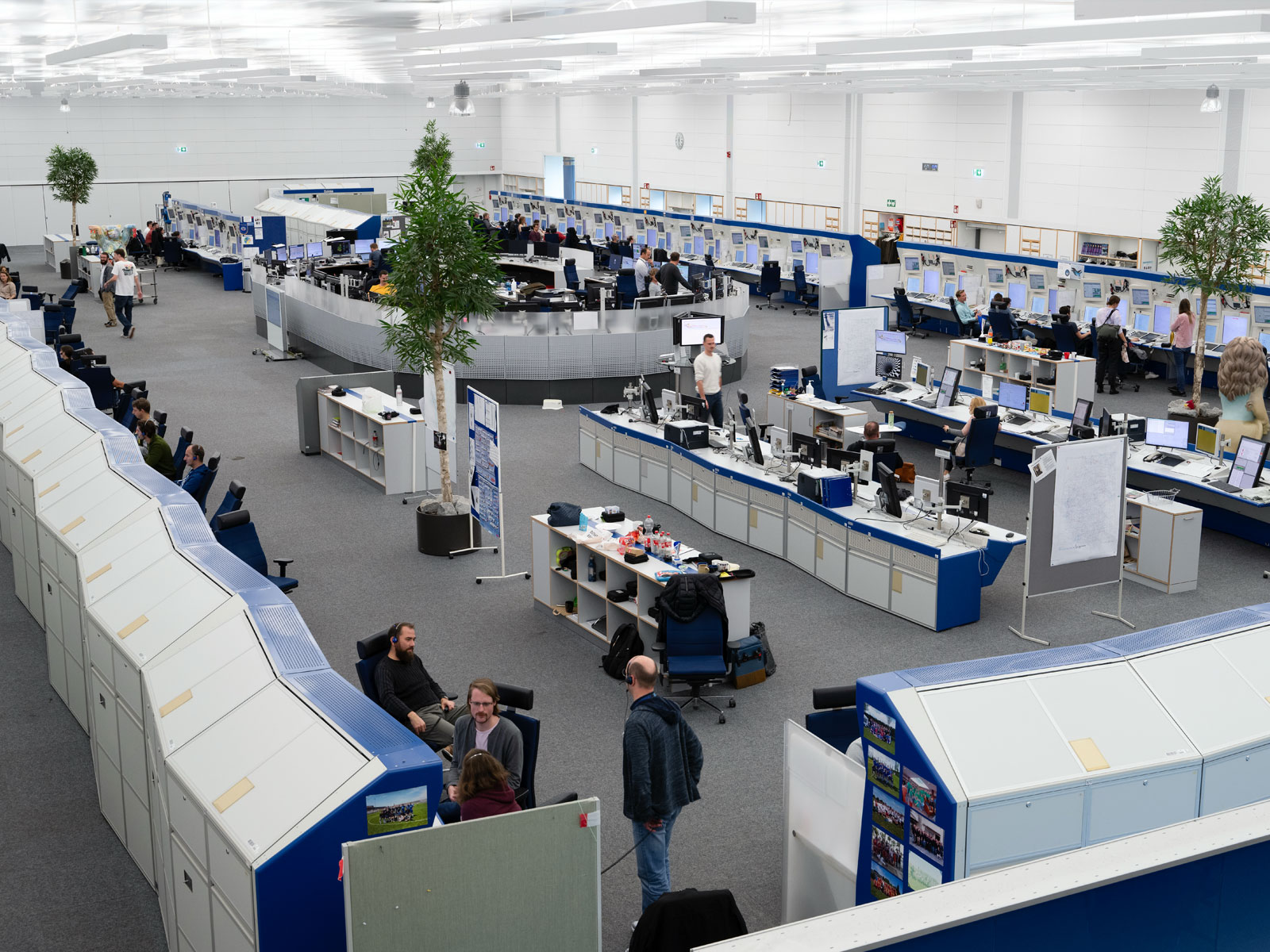
In total, we operate four centres located in Bremen, Langen, Munich and Karlsruhe.
-
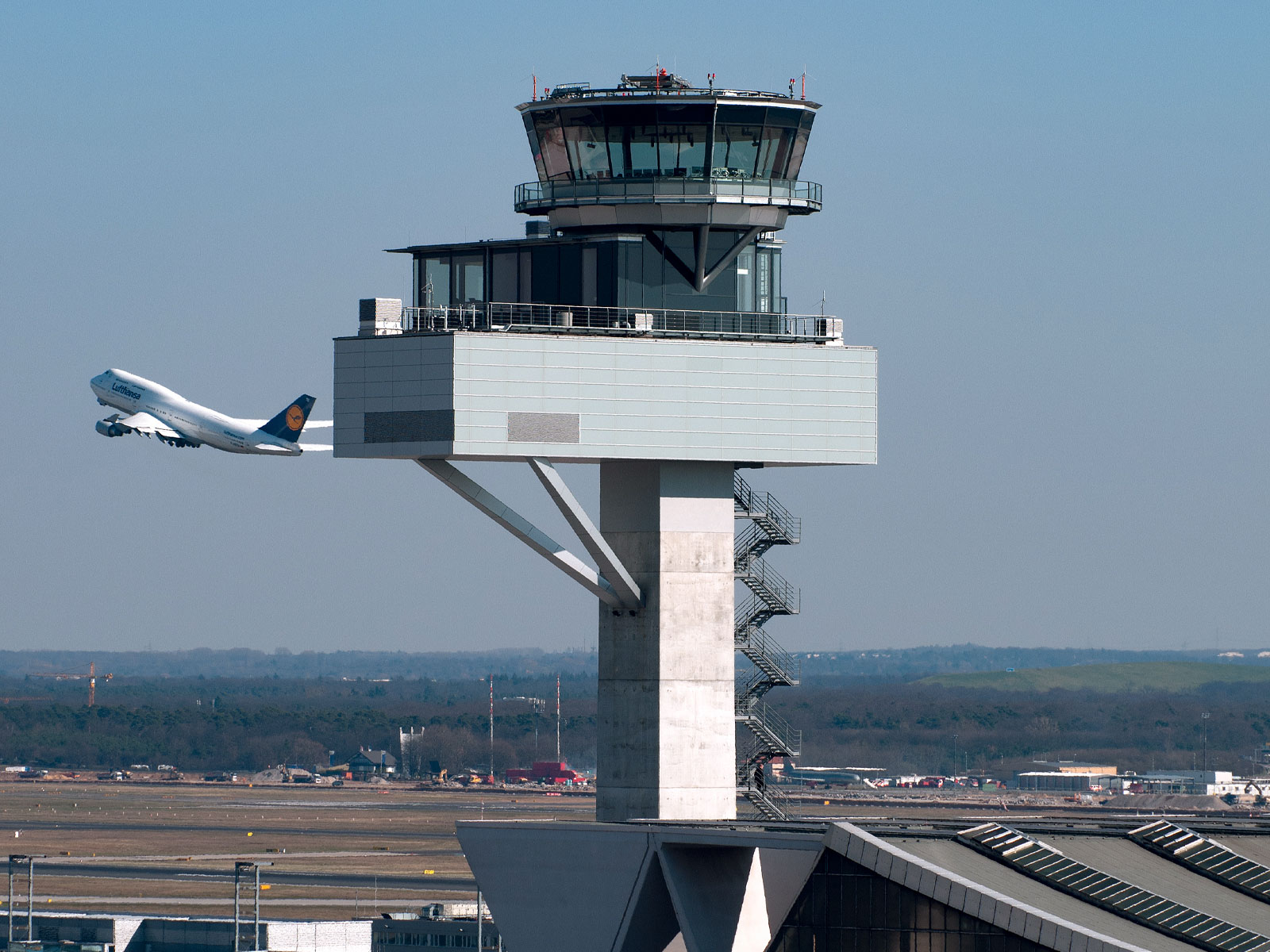
One of the 1,400 daily take-offs and landings at Frankfurt Airport.
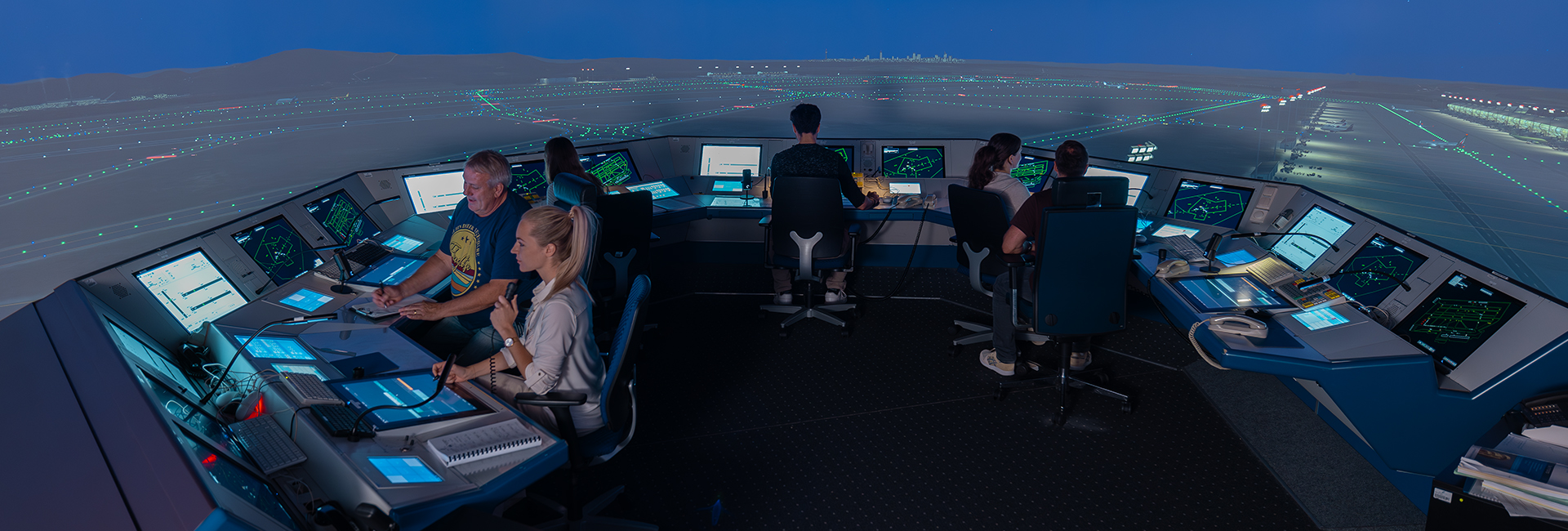
More on structure of air traffic controller training
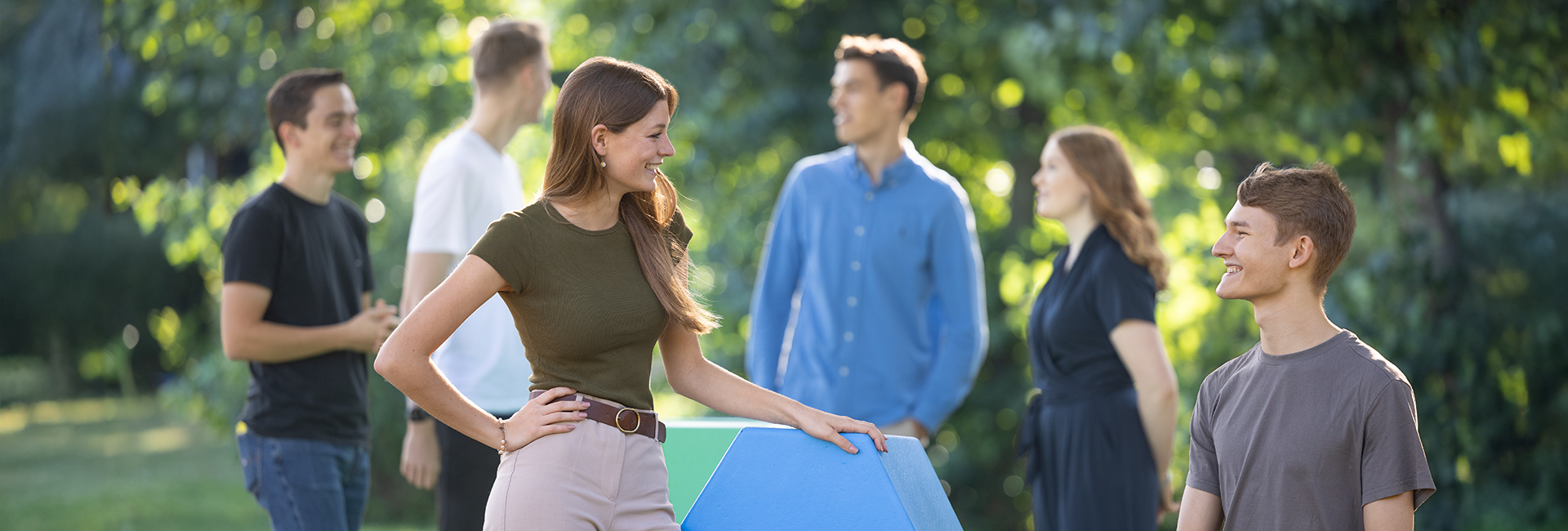
More on structure of the dual course of studies for air traffic controllers

Become part of our close-knit team
The air traffic controller training programme starts several times a year. This means you can apply to us at any time. Ideally, you should apply 1 year before you want to start with the training. In most cases, if you are available earlier, you can start earlier.
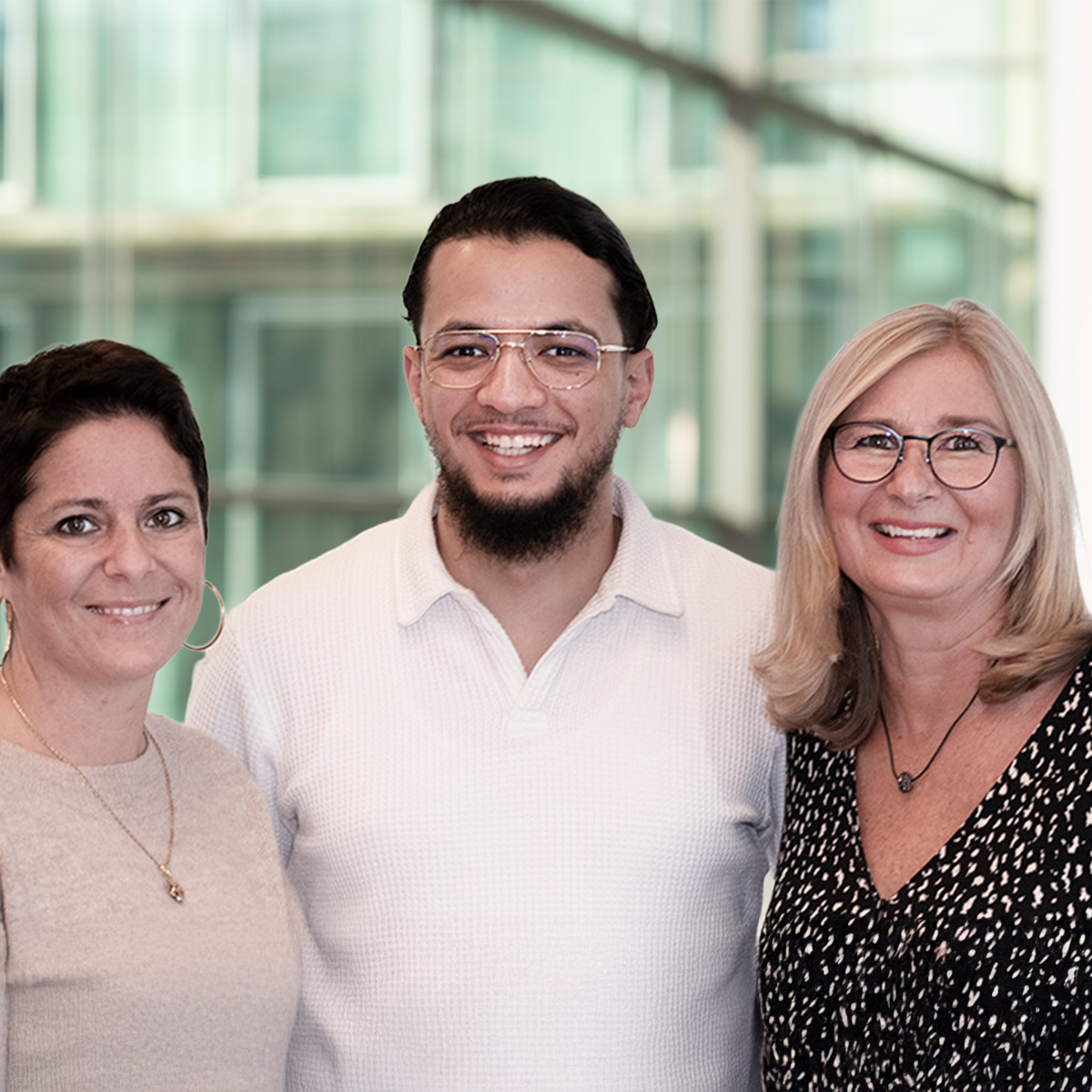
Do you have questions about air traffic controller training?
Then, please get in touch with:
Applicant management team
+49 (0)6103 707-5155
lotsenausbildung@dfs.de
WhatsApp: +49 (0)162 254 1843